
Data center energy demands in the United States have triggered a significant expansion in private, gas-fired power plant development, with the current project pipeline reaching 189 gigawatts by mid-2026. This trend highlights a stark divergence in infrastructure strategies compared to China, where data center growth is increasingly prioritized alongside renewable energy sources.
Explosive Growth in Private Power Infrastructure
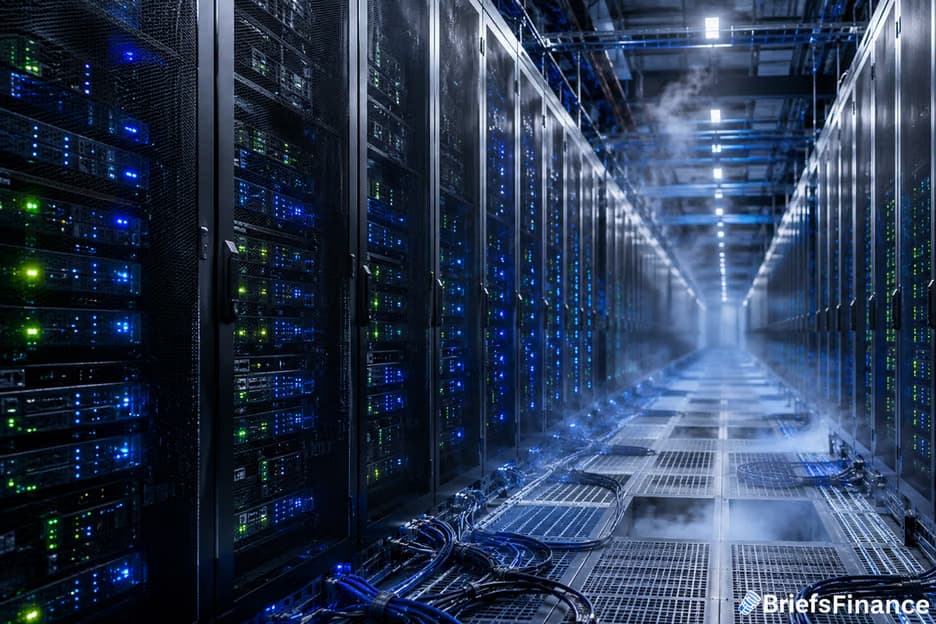
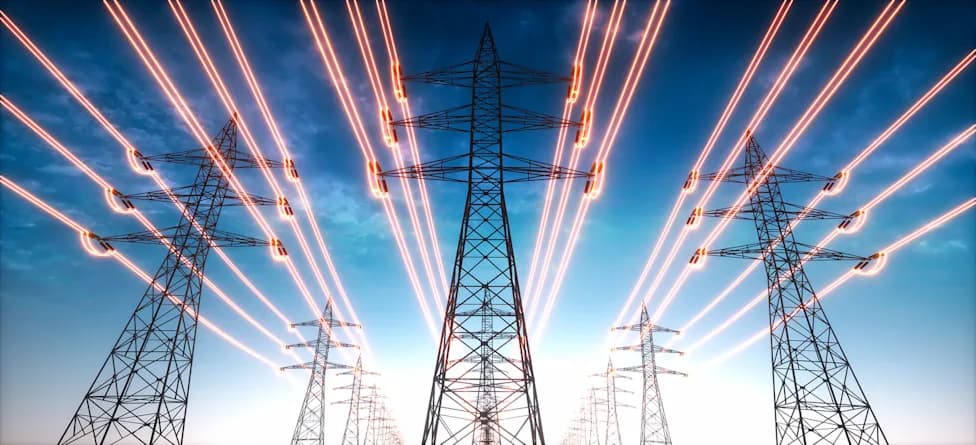
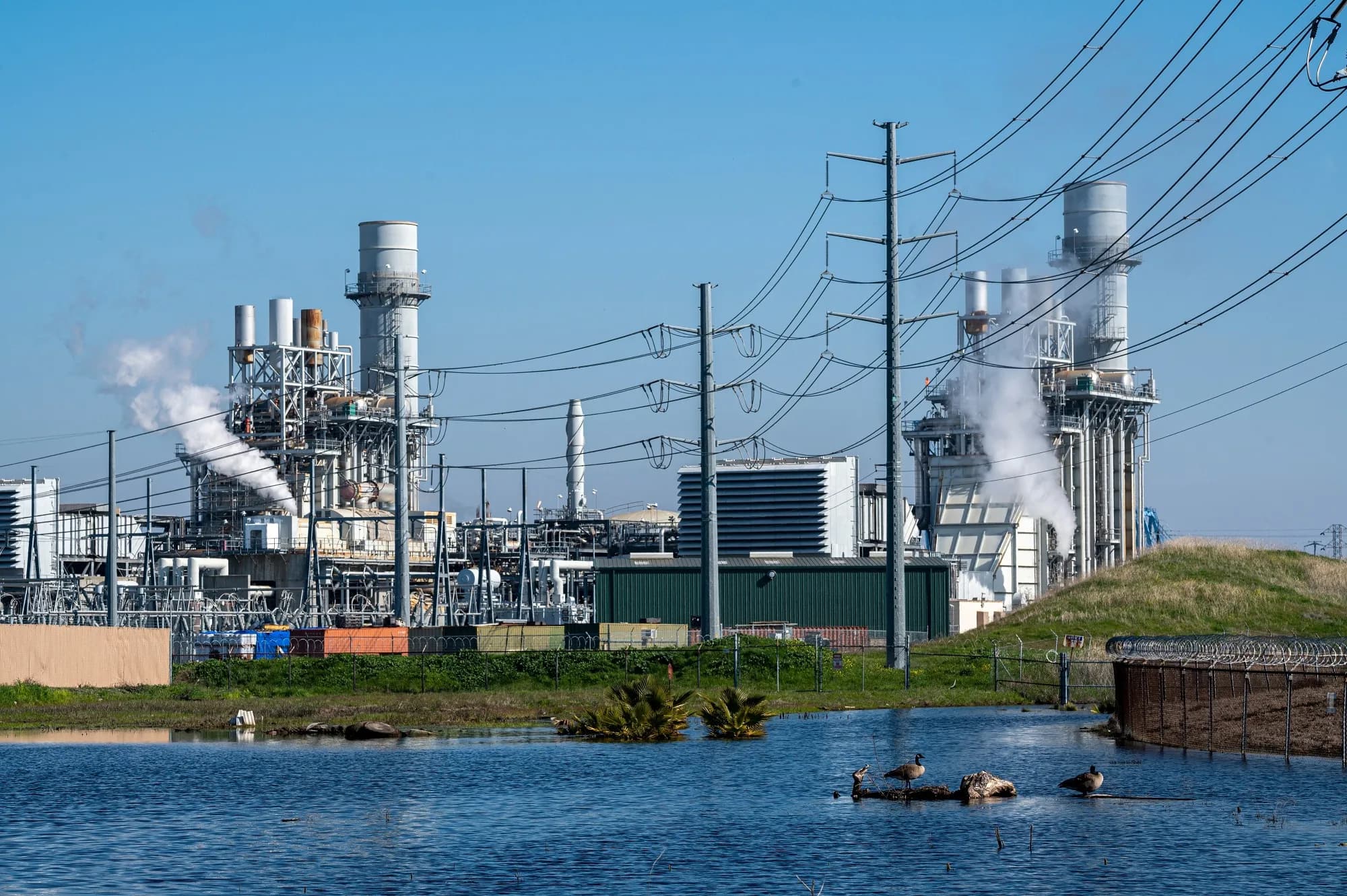
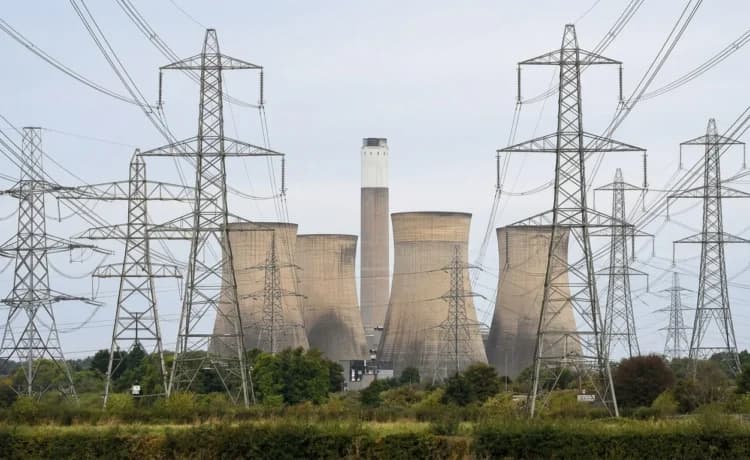
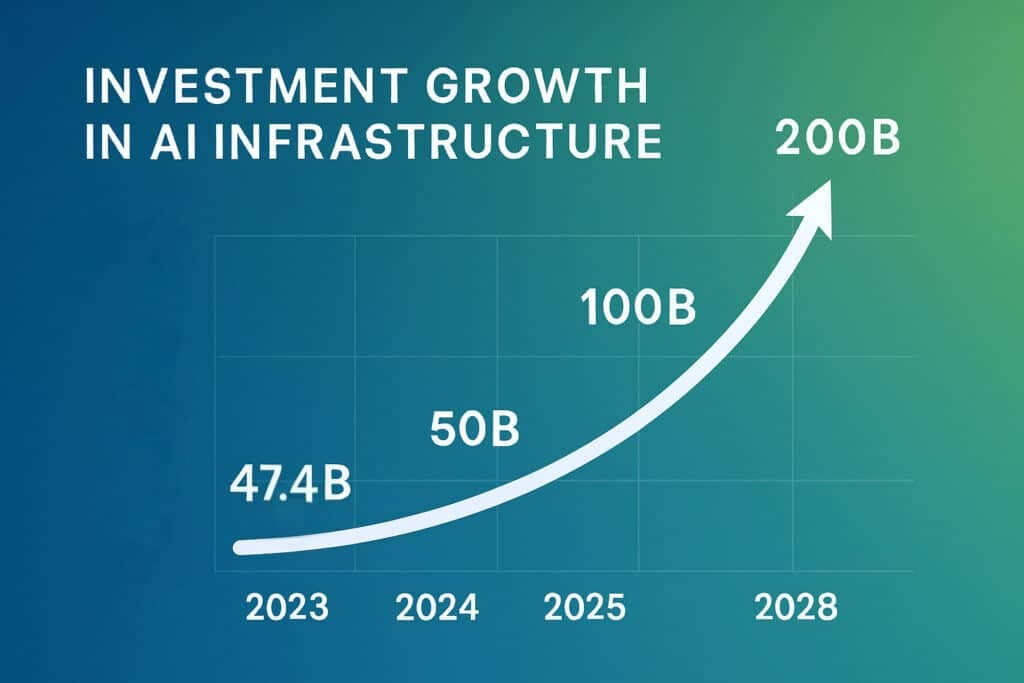
The landscape of domestic energy production is undergoing a rapid transformation as the tech industry races to satisfy the massive power requirements of artificial intelligence. Research from the Global Energy Monitor indicates a staggering escalation in gas-fired power projects specifically designed to support data center infrastructure. From a base of just 4 gigawatts in early 2024, the volume of these projects in development has surged to 97 gigawatts by the end of 2025, and subsequently reached over 189 gigawatts by mid-2026. Because a single gigawatt is capable of powering approximately one million households, the sheer scale of this pipeline reflects the profound energy footprint now synonymous with modern AI scaling. This reliance on 'behind-the-meter' facilities—private power plants connected directly to data centers—has become the preferred strategy for tech firms aiming to circumvent the lengthy queues associated with traditional grid interconnection.
Political and Economic Drivers
The shift toward private power generation is not merely a technical preference but a strategy supported by the current US administration. Officials have actively encouraged major tech corporations to build their own dedicated power sources, a move formalized through voluntary pledges signed by industry giants such as Microsoft, Meta, Google, and OpenAI, alongside numerous Republican governors and prominent utility providers. By constructing their own facilities, companies hope to avoid the delays of public grid integration and minimize the potential for community backlash regarding electricity rate hikes for residential consumers. While this strategy offers a faster route to deployment for these entities, analysts note that the rapid buildout is creating a long-term dependency on fossil fuels. The immediate economic benefits of speed and direct control are currently taking precedence over long-term sustainability goals, effectively locking in legacy energy infrastructures for decades to come.
Comparing Global Approaches
The acceleration of gas-reliant energy strategies in the United States stands in contrast to the developmental trajectory observed in China, currently the world’s largest importer of natural gas. While China did see a period of significant gas-plant construction in the early 2020s, that trend has shifted as the nation pivots its data center expansion toward renewable energy sources, specifically hydropower and solar. Research from the Brookings Institution suggests that this is a deliberate policy choice by the Chinese government to ensure long-term energy independence. Unlike the US model, which often relies on private, fossil-fuel-based power for individual sites, Chinese data centers are increasingly being situated in rural regions with abundant renewable output. This fundamental difference indicates that while the US is currently outpacing China in terms of total gas projects in the pipeline, the underlying carbon intensity of the two nations' digital infrastructure growth is diverging significantly.
Environmental Implications and Future Uncertainty
The environmental cost of this pivot to private gas plants is substantial, particularly because many of these facilities utilize inefficient turbine technology. Some of these projects are permitted to release greenhouse gas emissions that exceed the annual totals of entire medium-sized nations. Environmental researchers warn that if every tracked project reaches completion, the resulting surge in emissions will persist for decades. However, analysts caution that the current 189-gigawatt figure should not be viewed as a guaranteed outcome. The ultimate realization of these projects remains subject to a volatile mix of financial constraints, equipment shortages for turbines, local regulatory moratoriums, and shifting public opposition. While the current trajectory suggests a permanent entrenchment of gas in the data center sector, the combination of economic uncertainty and infrastructure limitations means the final buildout may deviate significantly from current projections.
⚖ The Balanced View
Supporting view
Supporters argue that private 'behind-the-meter' power plants offer a necessary solution to avoid overburdening the public electrical grid and prevent rate hikes for residential customers, while facilitating the rapid infrastructure deployment required by the AI sector.
Concerns & criticism
Critics point to the significant environmental damage caused by inefficient gas turbines, arguing that prioritizing speed now is locking the US into high-emission energy production that undermines long-term clean energy goals.
→What's next
Future developments will likely hinge on the tech industry's ability to navigate local opposition and equipment supply constraints while meeting their AI power demands. Observers expect to see continued scrutiny over whether corporations shift toward cleaner alternatives or remain committed to the current gas-fired expansion strategy.