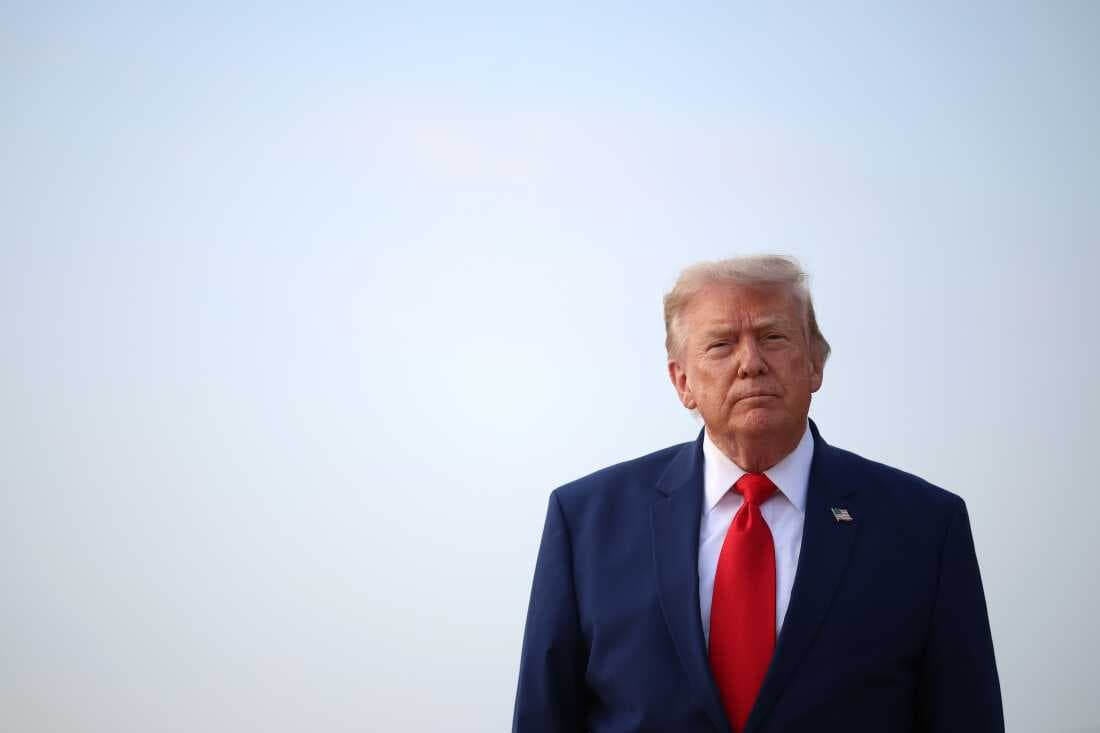

The US Supreme Court has permitted the Trump administration to move forward with an executive order that alters mail-in voting procedures, prompting concerns over potential voter disenfranchisement. While the ruling avoids confirming the order's legality, it removes a lower-court injunction that had previously blocked its application across 23 states and Washington, DC.
The Supreme Court’s Procedural Ruling
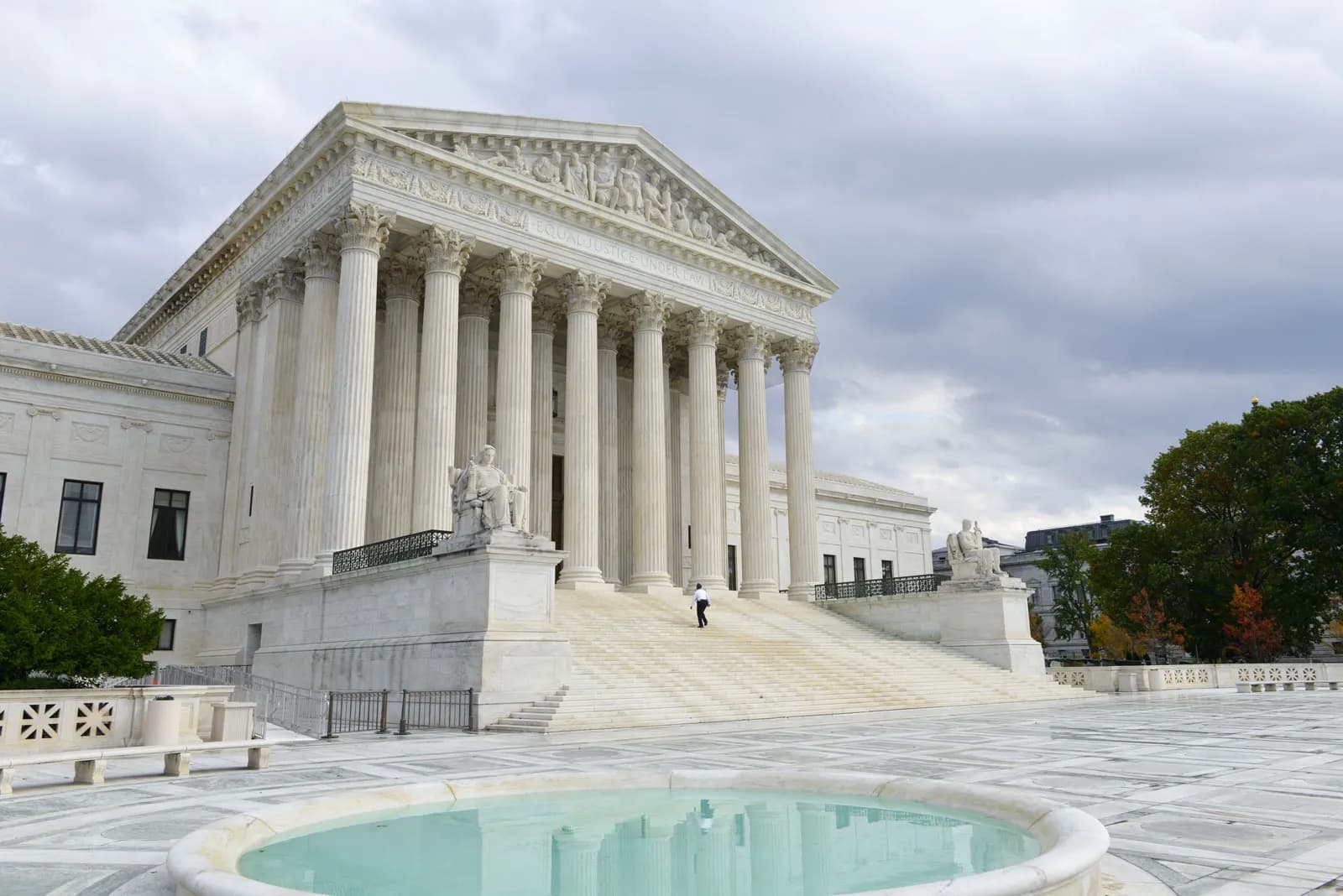
The Supreme Court issued an unsigned opinion that effectively permitted the enforcement of President Trump’s executive order concerning federal election procedures. This decision specifically targeted a previous ruling from a federal judge in Boston, who had issued an injunction preventing the administration from applying these new rules across more than two dozen states and the District of Columbia. The high court's conservative majority justified the move by claiming the states involved in the initial lawsuit failed to establish legal standing, as they could not provide sufficient proof of tangible harm caused by the executive action. Notably, the court stopped short of validating the legality of the underlying executive order, clarifying that the current disposition does not equate to a judgment on the policy's constitutionality. Justice Ketanji Brown Jackson, however, filed a sharp dissent, characterizing the court’s inaction as a decision that invites a 'Kafkaesque nightmare' and creates unnecessary uncertainty as the November midterms approach.
Components of the Executive Order
Signed in March, the executive order titled ‘Ensuring Citizenship Verification and Integrity in Federal Elections’ establishes three major regulatory pillars. First, it mandates the Department of Homeland Security to create a ‘State Citizenship List’ by aggregating data from the Social Security Administration, immigration records, and naturalization databases. This list is intended to be delivered to states 60 days before the election. Second, the order empowers the US Attorney General to prioritize the prosecution of local election officials accused of issuing federal ballots to ineligible voters. Finally, the directive imposes strict new oversight on the United States Postal Service. It requires states to submit lists of voters scheduled to receive ballots, effectively preventing the USPS from delivering mail-in ballots to anyone not explicitly listed. This portion of the order would necessitate the production of millions of new, barcoded envelopes to ensure compliance with the new federal tracking requirements.
Operational and Logistical Challenges
Election officials, including Washington state’s director of elections Stuart Holmes, have emphasized that the timeline for implementing these mandates is practically impossible. With the November election imminent, many county offices have already finalized and printed their ballot packets. According to Holmes, destroying these existing materials to start over is not a viable option, neither financially nor logistically. Even if funding were available, the limited number of specialized printing vendors is unlikely to satisfy the sudden demand for newly designed, USPS-approved ballot envelopes. Furthermore, the administrative burden of maintaining a ‘State Citizenship List’ is described as unmanageable; voter rolls are dynamic, and staff who would be tasked with updating these federal lists are already preoccupied with critical, pre-election maintenance duties. The result, experts warn, will be widespread confusion for election workers and voters alike as they scramble to adapt to these eleventh-hour changes.
Impact on Voter Confidence
Beyond the logistical gridlock, the executive order is rooted in unsubstantiated claims regarding widespread mail-in ballot fraud. Although data from sources like the Heritage Foundation show fewer than 100 documented instances of noncitizen voting since 1980, the narrative of systemic election irregularities remains a central focus for the current administration. Voting rights organizations argue that the mere existence of the order—and the accompanying USPS enforcement rules—causes significant distress among the public. Voters who rely on mail-in ballots are reportedly flooding advocacy groups with inquiries, fearful that their votes may not be counted or that the rules have changed in ways they do not understand. Advocacy groups and election experts fear that this creates a self-fulfilling cycle of doubt, where the confusion generated by these new rules leads to lower turnout and decreased confidence in the overall legitimacy of the electoral process.
⚖ The Balanced View
Supporting view
Proponents of the order, including various election integrity groups, celebrate the decision as a necessary move to protect the security and accuracy of federal elections, echoing the administration's stated goals of verifying citizenship and reducing fraud.
Concerns & criticism
Critics and election officials highlight that the order is based on baseless allegations of fraud, and they argue that the implementation timeline is logistically impossible, threatening to disenfranchise millions of legitimate voters through mass confusion.
→What's next
It is anticipated that affected states will initiate further legal challenges once the USPS enforcement rules officially take effect this Wednesday. Given the proximity of the November general election, the legal and operational landscape remains volatile for both election officials and voters.