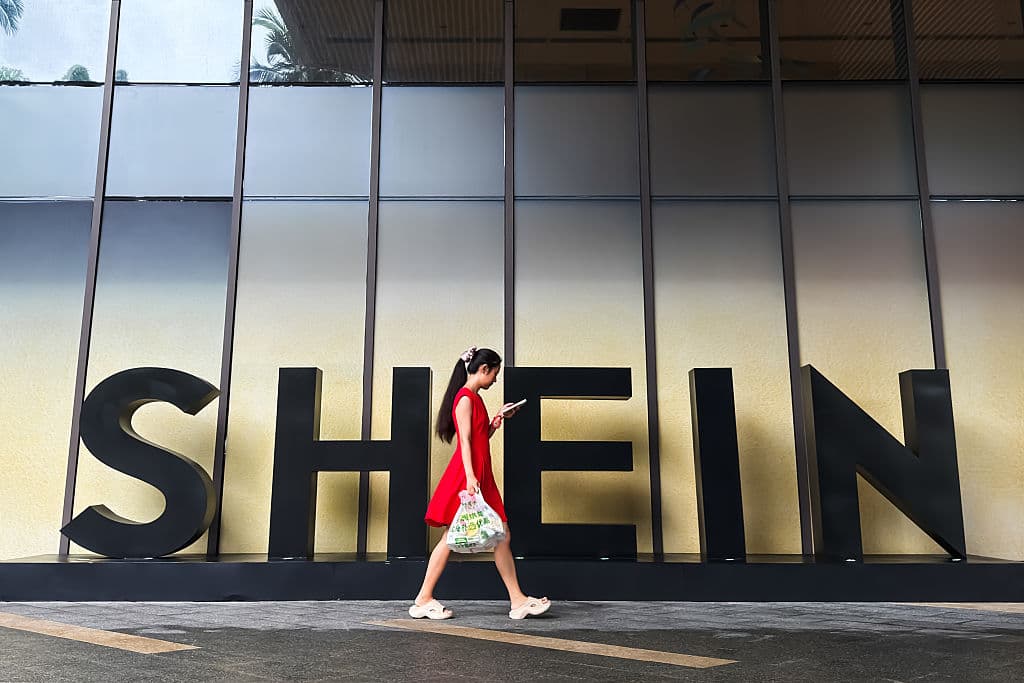

Shein has initiated plans for a Hong Kong stock market listing with a target valuation of approximately $27 billion. This move follows a period of decelerating growth and significant financial pressures that have substantially reduced the company's market worth from its 2022 peak.
IPO Details and Market Valuation
Shein has officially moved to list its shares on the Hong Kong stock exchange, filing documents that outline an ambitious plan to raise nearly $1.77 billion. The retailer intends to issue 280 million Class B shares, with a targeted price range between HK$47.60 and HK$49.50. At the highest point of this valuation, the company would be worth approximately $27 billion. This represents a stark departure from the company’s recent financial history; in 2023 and early 2024, the business was valued at $64 billion. The decline is even more pronounced when compared to private fundraising rounds from 2022, which once placed the firm's valuation at $98.2 billion. The company has navigated several failed attempts to go public in both London and New York before finally securing authorization for this Hong Kong entry from the China Securities Regulatory Commission in early July.
Financial Performance and Growth Hurdles
The path to this IPO follows a turbulent period of cooling momentum. Shein’s rapid expansion has slowed significantly, with revenue growth slipping to just 8% in 2025, a dramatic drop from the 20.7% growth observed the year prior. Profitability has faced a simultaneous assault from both operational and regulatory challenges. Notably, the firm reported a $99 million loss in early 2026, a result driven by a combination of one-time accounting charges and the loss of critical import-duty exemptions in the United States. These tariffs have forced the company to pass increased expenses directly to the consumer through higher prices, further complicating its competitive position in an already crowded marketplace. This financial instability stands in direct contrast to the aggressive growth trajectories that previously defined its private market valuation.
Industry Context and Investor Sentiment
Market observers suggest that Shein is entering the public arena during a challenging period for the retail sector. Experts like Shaun Rein of the China Market Research Group have indicated that consumer enthusiasm for the ultra-fast fashion model has dampened significantly. Furthermore, analysts such as William Ma from GROW Investment Group have noted that the retailer may have missed its ideal window for a high-profile market debut. Investor appetite is currently diverted elsewhere, with capital flows in the Hong Kong market heavily favoring sectors like artificial intelligence and semiconductor manufacturing rather than traditional e-commerce fashion. This pivot in investor interest is compounded by the company's struggle to maintain its footing against agile competitors like Temu, which continue to challenge Shein's dominance among younger demographics.
Operational and Ethical Challenges
Beyond the purely financial metrics, Shein faces lingering reputational risks that could influence institutional and retail investor reception. The company continues to contend with ongoing scrutiny regarding its supply chain, specifically concerning labor practices and the working conditions at its third-party production facilities. These ethical concerns represent a persistent burden on the brand's image, potentially alienating parts of a consumer base that has grown increasingly sensitive to corporate sustainability and labor transparency. Additionally, the brand's appeal among shoppers under the age of 35 has shown signs of fading. By attempting to list under these pressures—both moral and market-driven—the company faces an uphill battle to regain the confidence of a skeptical public and the rigorous scrutiny of modern market analysts who are currently prioritizing growth and stability over market-share dominance.
⚖ The Balanced View
Supporting view
The company successfully navigated complex regulatory hurdles to receive approval from the China Securities Regulatory Commission, clearing the way for a major listing after previous failed attempts in other international jurisdictions.
Concerns & criticism
Institutional and consumer interest is declining due to ethical concerns over supply chain labor conditions, increased competition from rivals like Temu, and a pivot in market focus toward AI and chip technology.
→What's next
The company is scheduled to announce its final share price on August 31. Following this disclosure, trading for the retailer's shares is expected to officially begin on September 1.