
Insurance industry leaders gathered to simulate a scenario involving a synchronized Chinese state-sponsored cyberattack that would simultaneously compromise 5,000 American water utilities. The exercise highlights growing concerns over long-term 'pre-positioning' of malicious software within vital civilian infrastructure.
The War Game Scenario
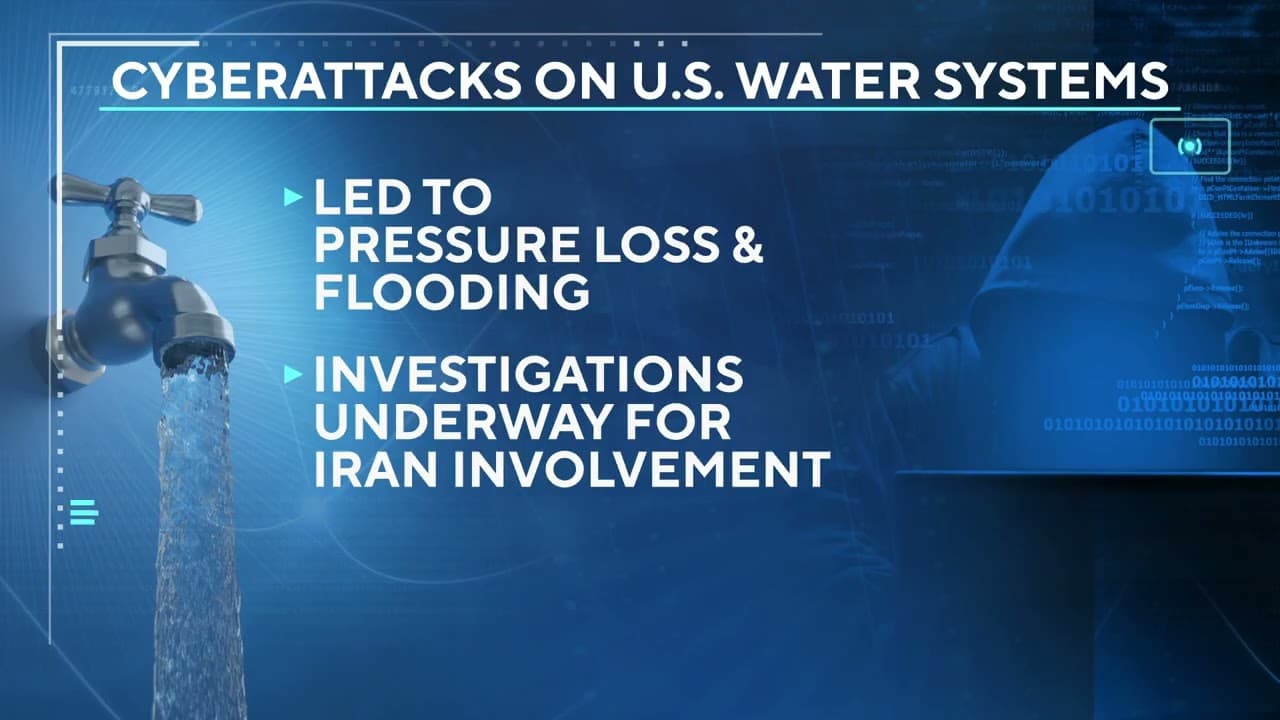
In a closed-door session held in Manhattan, approximately 30 insurance executives participated in a sophisticated tabletop exercise designed to simulate a massive cyber-disruption of the American water supply. The scenario, moderated by former CISA cybersecurity strategist Joshua Corman, posited that 5,000 water utilities across the United States were hit simultaneously by a state-sponsored digital attack. The objective was to force these stakeholders—who hold significant responsibility for financial and operational recovery—to navigate the logistical nightmare of a widespread societal outage. By placing participants under a countdown clock, the exercise effectively mimicked the extreme pressure of an actual national security event, testing how quickly insurers could mobilize legal counsel, incident responders, and technical mitigation teams to manage the fallout of such a catastrophic infrastructure failure.
Understanding the Volt Typhoon Threat
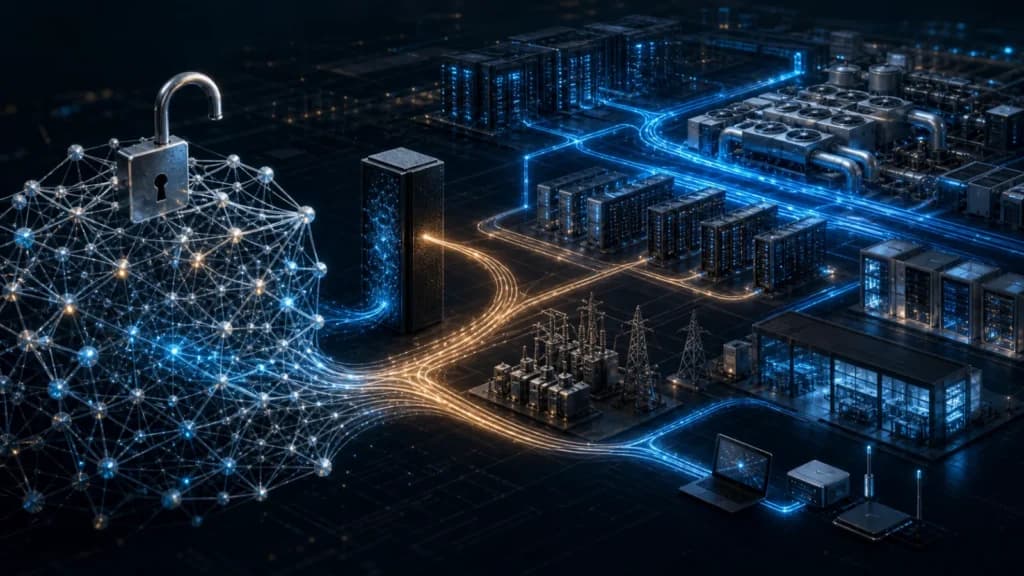
The entity at the center of these fears, Volt Typhoon, is a Chinese state-sponsored group that has diverged from typical espionage-focused hacking behavior. Over the past three years, analysts believe the group has been engaged in a deliberate campaign of pre-positioning, embedding malware deep within the architecture of US civilian and critical infrastructure. While initial concerns were focused on military-adjacent assets in Guam and the continental United States, it has become increasingly evident that the group's reach extends to small, non-military civilian targets, such as local water and power providers in towns with populations as small as 10,000. Experts often characterize these persistent, dormant footholds as 'digital bombs' intentionally strapped to the backbone of American society, waiting to be triggered by the Chinese state to cause chaos or delay military responses during international conflicts.
The Strategic Role of Insurance
The involvement of insurance executives in these war games is rooted in a pragmatic understanding of the modern incident response lifecycle. When critical infrastructure is compromised, the initial response is rarely just a federal emergency operation; rather, it is often dictated by insurance providers. These firms have pre-vetted relationships with incident response teams and legal experts, effectively acting as the gatekeepers for recovery resources. By understanding how insurers react to these simulated disasters, security strategists gain valuable insights into the 'ground truth' of the US response capacity. Because these executives manage the financial and legal liability of such attacks, their internal planning provides one of the most accurate look-ins regarding how the private sector anticipates managing, communicating, and resolving large-scale cyber-induced physical destruction, such as bursting water mains or utility-wide power failures.
Geopolitical Context and Motivations
The prevailing theory behind Volt Typhoon’s behavior is that the Chinese government is building the capacity to paralyze US infrastructure as a diversionary tactic or a strategic deterrent. Should China move to invade Taiwan, security analysts suspect that these pre-positioned cyber footholds would be activated to distract, delay, or overwhelm the US military and civilian response networks. By causing widespread blackouts, telecommunications disruptions, and water supply issues, the hackers could theoretically ensure that the United States is consumed by domestic chaos, making it more difficult to project power effectively in the Pacific. While this remains an unconfirmed hypothesis, the persistence and breadth of the targeting of civilian utilities suggest that this is a long-term strategic investment by China to gain leverage over the American home front.
⚖ The Balanced View
Supporting view
Proponents of these exercises argue that they are a necessary tool for revealing the vulnerabilities in the US civilian infrastructure that have gone unnoticed until now, particularly through the lens of insurance liability.
Concerns & criticism
The primary concern highlighted is the unprecedented scale of the threat; because China has shown restraint in not yet triggering these potential 'digital bombs,' there is significant anxiety that the actual impact of an activation remains largely speculative.
→What's next
Industry stakeholders continue to refine their disaster response frameworks as geopolitical tensions persist. Future efforts will likely focus on closing the knowledge gap between local utility providers and national cybersecurity authorities to better defend against persistent, long-term intrusion threats.