
Supermicro has terminated several employees following an internal investigation into the unauthorized export of $2.5 billion worth of high-performance GPUs to China. The incident highlights the ongoing challenges faced by hardware manufacturers in adhering to strictly enforced international trade controls.
Discovery of unauthorized exports
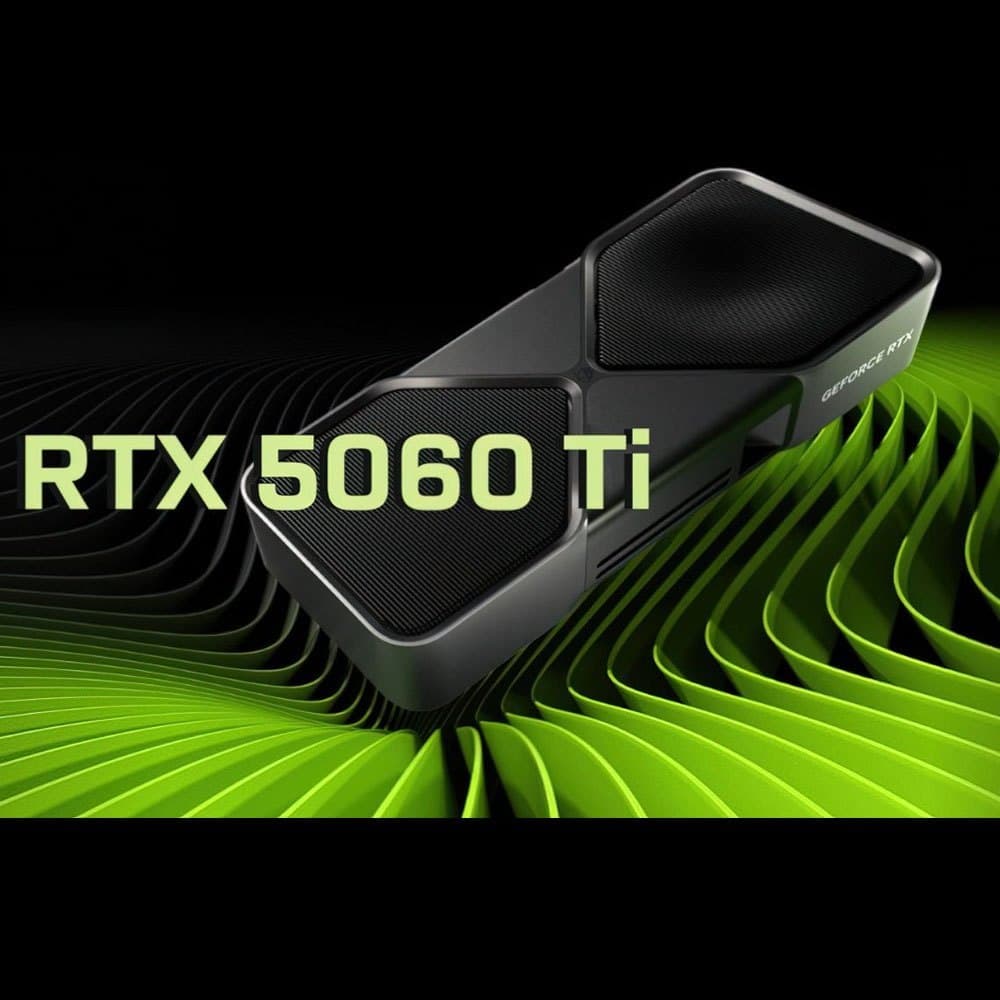
Supermicro has taken decisive internal action, terminating a number of staff members after uncovering a significant smuggling operation involving high-performance hardware. The company's internal investigation revealed that approximately $2.5 billion worth of graphics processing units were illicitly funneled into China. These components are highly sought after for their roles in artificial intelligence and machine learning infrastructure, making them subject to rigorous trade regulations. The discovery has prompted immediate scrutiny of the company's internal controls and logistical oversight, as the scale of the diversion is substantial. By firing the individuals linked to these shipments, Supermicro is attempting to demonstrate a commitment to compliance and distance itself from the illicit activity, though the nature of the breach suggests significant bypasses in standard corporate export protocols were likely involved.
Context of international trade restrictions
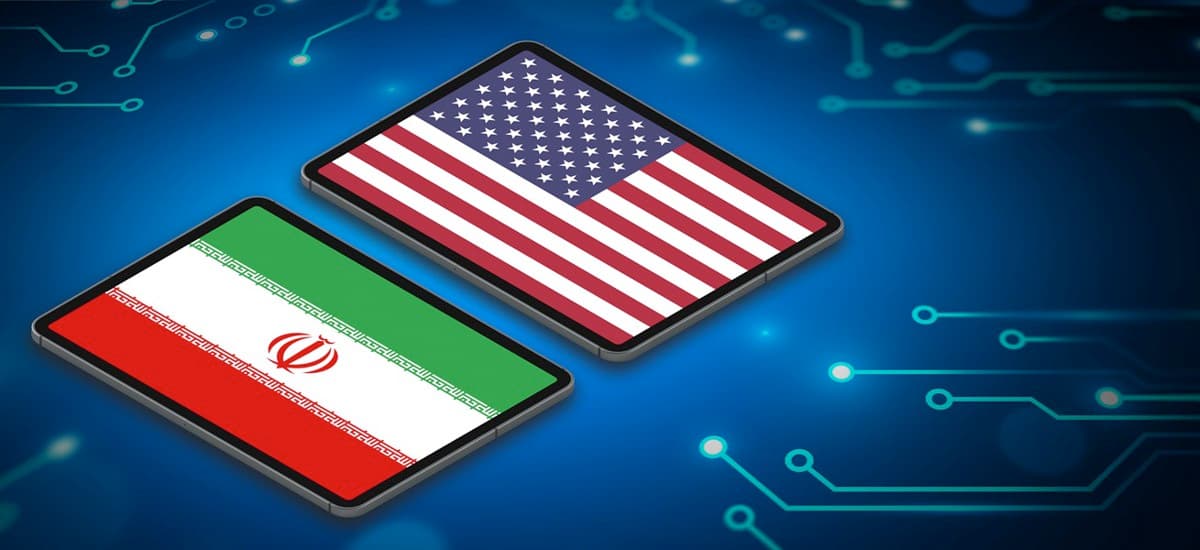
The smuggling incident occurs against a backdrop of escalating geopolitical tension regarding high-end semiconductor availability. Because specialized GPUs are critical for military and commercial AI advancements, the United States has implemented stringent export controls designed to restrict China's access to the most advanced silicon. These regulations place the onus of enforcement on hardware vendors to ensure their products do not end up in restricted jurisdictions. For a manufacturer like Supermicro, maintaining compliance is not only a matter of legal obligation but also a critical component of its ability to operate globally. The violation in question represents a massive failure to adhere to these federal guidelines, likely triggering intense focus from regulatory bodies tasked with monitoring international tech flows. The scale of this $2.5 billion operation suggests a highly coordinated effort that successfully circumvented existing safeguards for a prolonged period.
Corporate and regulatory implications
The repercussions for Supermicro extend well beyond the immediate termination of the involved personnel. When a company is implicated in the unauthorized export of multi-billion dollar strategic assets, it typically faces intense administrative investigations and potential legal penalties from multiple governmental agencies. Stakeholders and industry analysts are now looking for clarity on how such a massive volume of hardware could leave the supply chain unnoticed. The incident serves as a stark reminder of the complexities involved in policing global supply chains where demand for high-end AI components often incentivizes black-market activities. For Supermicro, the priority now shifts to demonstrating that these actions were the work of rogue employees rather than systemic corporate policy, a narrative that will require a high level of transparency and cooperation with law enforcement to validate.
⚖ The Balanced View
Supporting view
The company has proactively addressed the breach by identifying and removing staff members implicated in the scheme, which serves as a necessary step toward remediating its internal compliance failures.
Concerns & criticism
The sheer scale of the $2.5 billion smuggling operation raises serious questions regarding the efficacy of Supermicro's supply chain oversight and the potential for long-term reputational and legal damage resulting from the oversight failure.
→What's next
Supermicro is expected to face continued pressure from regulators to tighten export compliance and explain the security gaps that allowed the unauthorized shipments to persist. Industry experts will be watching for further legal developments or potential fines resulting from the official investigation into these breaches.