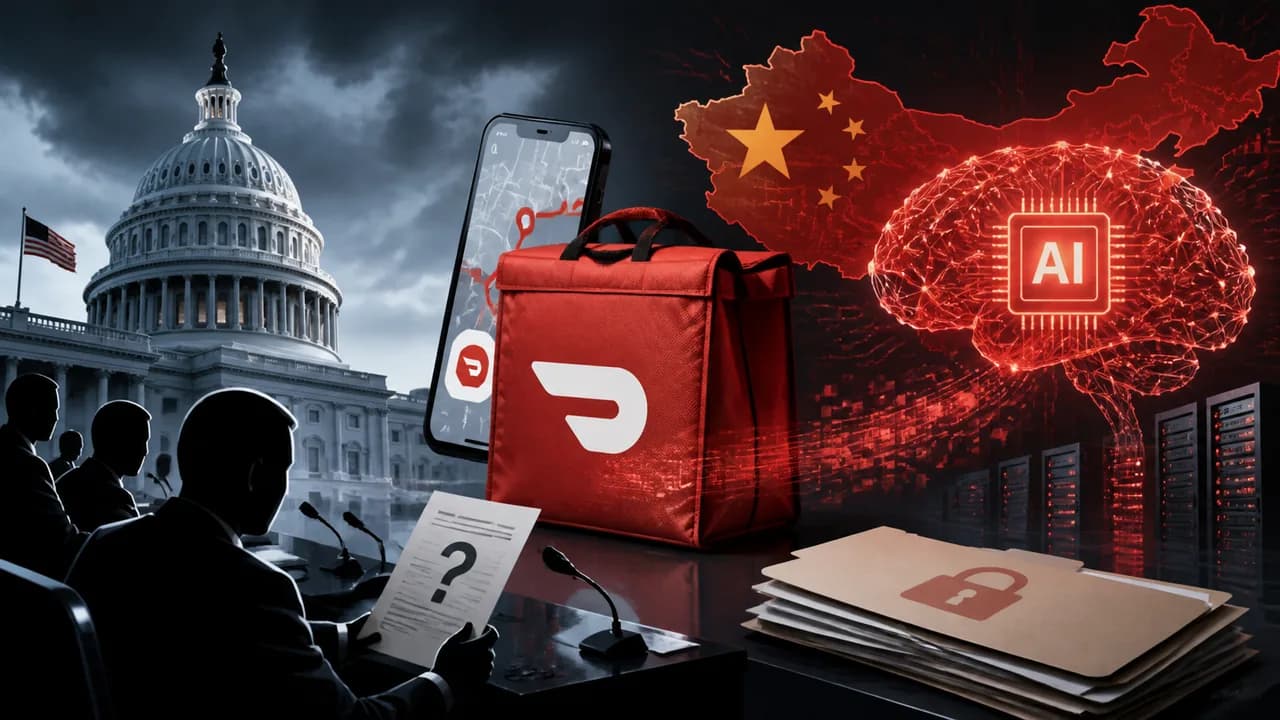

HP has entered into a multi-year agreement to license WiFi patents from Huawei, a Chinese technology giant currently subject to U.S. government blacklisting. HP maintains that this is a routine, standardized patent licensing arrangement rather than a strategic business partnership.
The Terms of the Agreement
HP and Huawei have finalized a multi-year global agreement centered on the licensing of specific WiFi patents. The announcement, released on Wednesday, details a cross-licensing arrangement that allows HP access to Huawei’s wireless networking intellectual property while granting Huawei reciprocal rights to HP’s own patent portfolio. According to statements from representatives involved in the negotiations, this deal serves to facilitate the continued use of standard-essential WiFi technology, which is a foundational component for modern computing hardware. Steven Geiszler, a legal representative for Huawei who previously served as a senior intellectual property lawyer for the company, confirmed that the arrangement involves the exchange of valuable patent rights between the two entities. The deal comes as HP prepares to present its financial performance, with an earnings release scheduled for Thursday morning Beijing time.
Context and Regulatory Background
This agreement marks a notable interaction between a major American computing firm and Huawei, a company that has been significantly impacted by U.S. federal trade restrictions. Since being placed on the U.S. entity list in 2019, Huawei has faced strict limitations regarding its ability to collaborate with American businesses, including notable blocks on working with suppliers like Google. The current agreement, however, focuses strictly on the intellectual property of wireless connectivity rather than a broader commercial or strategic alliance. The deal follows a period of patent-related disputes involving both companies and other industry players. Last autumn, these discussions culminated in an agreement granting HP access to a pool of roughly 2,000 patents related to wireless networking, specifically through the Sisvel WiFi 6 patent pool, of which Huawei is a foundational member.
HP’s Position on the Deal
In an effort to clarify the scope of the arrangement, HP has publicly described the deal as a standard industry practice. The company emphasizes that the licensing of these patents is routine for firms manufacturing devices that rely on WiFi for connectivity. HP explicitly stated that this transaction should not be interpreted as a shift toward a deeper commercial partnership or a strategic collaboration with the Chinese telecommunications giant. By framing the agreement as a necessary functional requirement for their hardware products, HP is attempting to distance its operational activities from the geopolitical complexities associated with Huawei’s presence on the U.S. government’s blacklist. This communication suggests that HP is focused on maintaining its supply chain and product compliance within the bounds of existing intellectual property law, while minimizing the appearance of political entanglement.
⚖ The Balanced View
Supporting view
HP maintains that the licensing is a standard-essential, routine business necessity required for the functionality of modern computing devices that utilize WiFi connectivity.
Concerns & criticism
The deal involves a direct commercial agreement with a company currently subject to a 2019 U.S. government blacklist, raising questions about the implications for U.S.-based firms working with restricted Chinese entities.
→What's next
Market observers will likely monitor the reception of this news during HP’s upcoming earnings report. Further developments may depend on whether U.S. regulators provide additional guidance or scrutiny regarding the scope of such cross-licensing agreements with blacklisted technology providers.