
A small energy-generating facility in the United Kingdom was forced offline for four days in July due to a cyberattack allegedly involving Iran-linked hackers. While the government confirms the shutdown occurred, officials maintain there was no danger to the nation's broader power grid.
The July Power Plant Incident
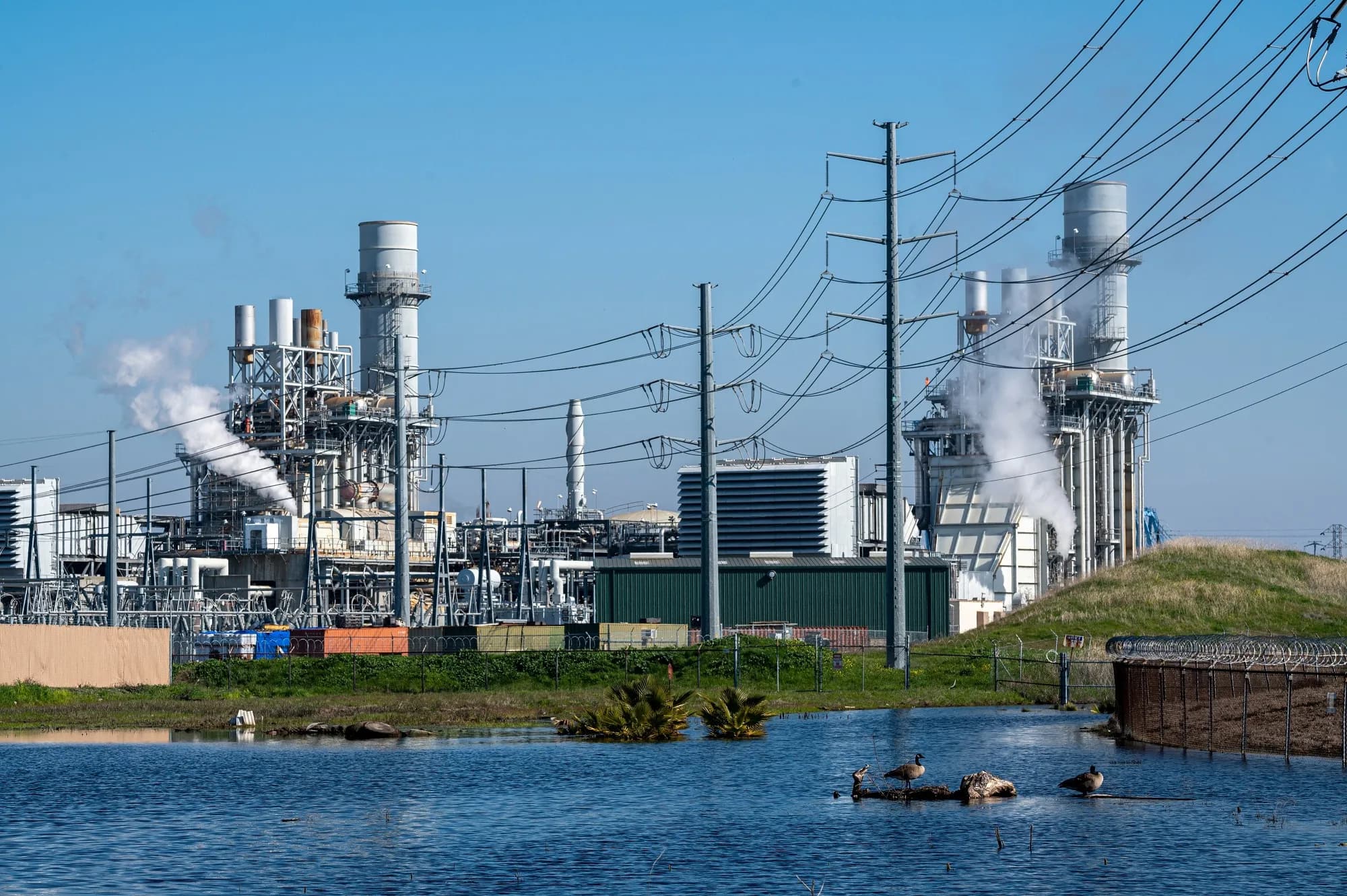
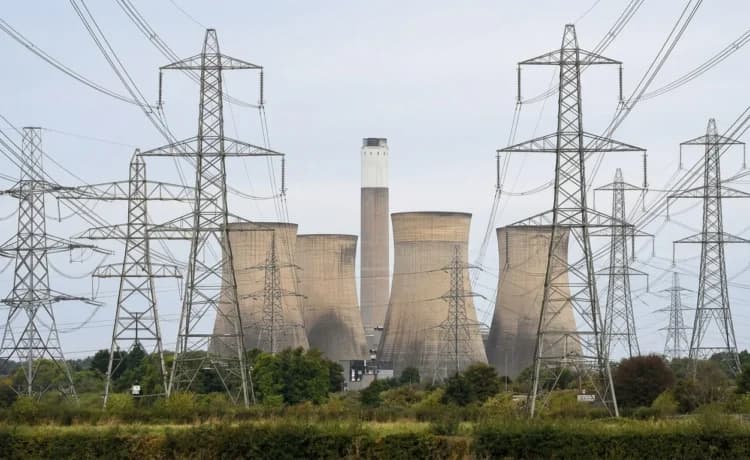
A small-scale energy generation facility located in the U.K. underwent a complete operational shutdown lasting four days during the month of July. This disruption followed a cyberattack that officials have linked to Iranian actors, according to reports. While the exact identity of the facility remains undisclosed, the U.K. government has publicly acknowledged that the incident did indeed take place. Spokespeople for the government were quick to emphasize that the event was isolated to this single, small-scale generator and posed no genuine threat to the stability or safety of the United Kingdom’s national energy infrastructure, which is described as being highly resilient.
Broader Geopolitical Context
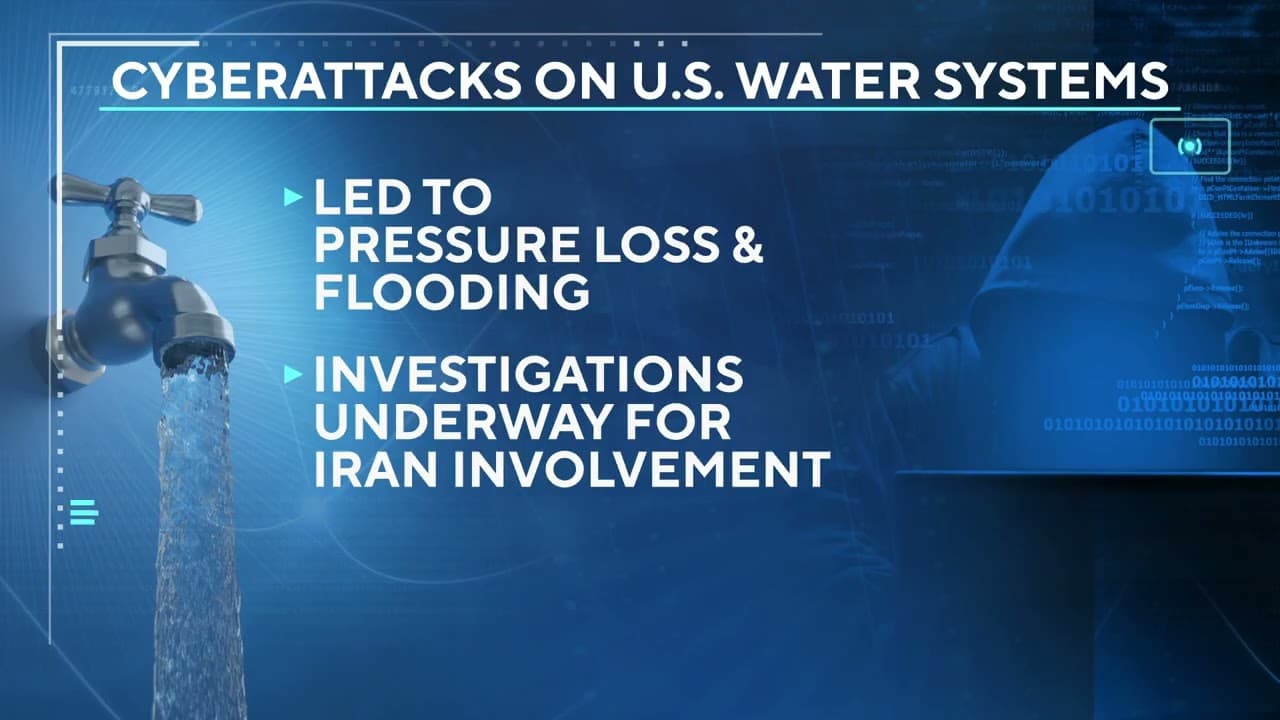
The U.K. incident coincides with a period of heightened international concern regarding state-sponsored cyber espionage and sabotage. Since the outbreak of hostilities between the U.S., Israel, and Iran on February 28, security experts have repeatedly warned that critical infrastructure and commercial entities could face persistent digital threats. The U.S. government has been active in addressing these concerns, with the FBI and the Cybersecurity and Infrastructure Security Agency issuing warnings regarding malicious activity directed at water facilities in several states. Furthermore, the U.S. Department of Justice recently announced criminal charges against 17 individuals allegedly acting on behalf of the Islamic Revolutionary Guard Corps to conduct large-scale cyber theft campaigns.
Government and Industry Response
In the wake of the July shutdown, the U.K.'s Department of Energy Security and Net Zero has taken proactive steps to reinforce the nation's digital defenses. Leadership from the department has engaged directly with energy company executives to provide guidance and assess vulnerability. Beyond these briefings, the department is currently in the process of revising existing cybersecurity regulations to better align with the evolving threat landscape. The government’s communication strategy remains focused on maintaining public confidence, stressing that despite the isolated success of the attack on the smaller facility, the nation's security standards remain rigorous and the overall energy sector continues to work closely with national authorities to mitigate future risks.
Cyber Warfare and Retaliatory Attacks
The digital landscape has seen a cycle of retaliatory actions beyond the U.K. energy sector. Iran itself has been the subject of significant cyber operations, most notably in June when the country's largest cryptocurrency exchange, Nobitex, was compromised. During this attack, roughly $90 million in assets were siphoned from the exchange's wallets. The attackers left behind anti-government messages that specifically cited the Islamic Revolutionary Guard Corps, signaling a clear political motivation behind the theft. The hacking group 'Predatory Sparrow,' also known as Gonjeshke Darande, claimed responsibility for that incident, highlighting that global energy and financial infrastructures are currently caught in a persistent, two-way digital conflict.
⚖ The Balanced View
Supporting view
The U.K. government maintains that the energy system remains highly resilient and that the incident posed no threat to the wider infrastructure, demonstrating an effort to prevent public alarm while managing operational security.
Concerns & criticism
Security experts and government agencies express significant concern over the vulnerability of critical infrastructure to state-sponsored actors, as evidenced by the targeting of both energy facilities and water systems by foreign entities.
→What's next
The U.K. government is actively updating its cybersecurity regulations to address the vulnerabilities exposed by the recent incident. Energy sector executives are expected to implement new security standards to bolster infrastructure defenses against ongoing state-sponsored digital threats.