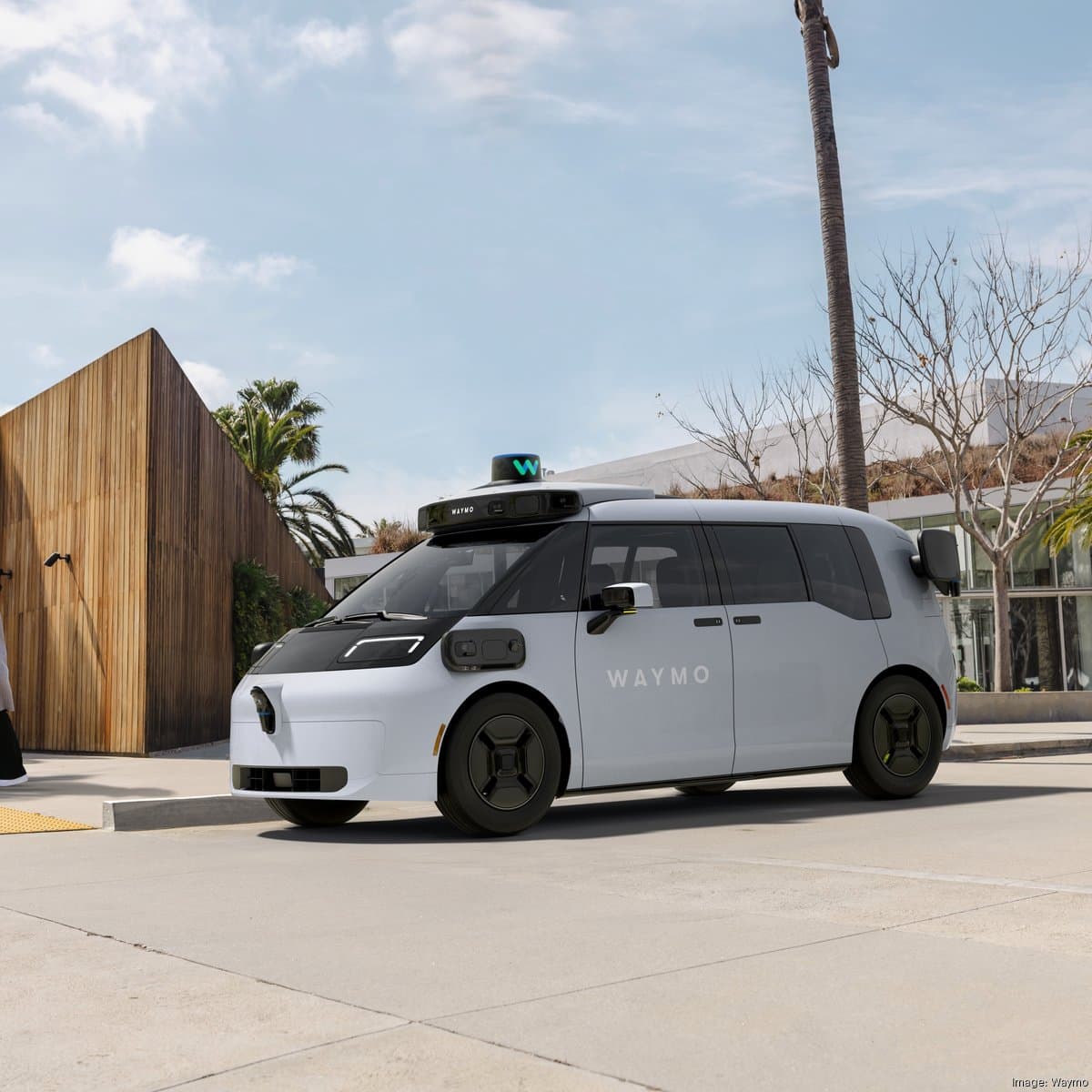

Alphabet-owned Waymo is expanding its autonomous ride-hailing operations to Germany, with plans to launch commercial service in Munich by the end of 2027. This marks the company's first entry into the European Union, following similar testing initiatives in London and Tokyo.
The Path to Munich
Waymo has officially confirmed plans to introduce its autonomous vehicle fleet to Munich, Germany, representing a significant milestone in its global expansion strategy. As the company’s first commercial venture within the European Union, the move follows the establishment of a formal corporate entity in Germany earlier this year. Waymo co-CEO Tekedra Mawakana highlighted Munich’s status as a premier hub for engineering and mobility, positioning the city as an ideal environment for testing the company's autonomous systems. The rollout will follow a structured deployment model, beginning with the manual mapping of local streets and testing with safety drivers present. This phased approach mirrors the company’s methodology in its existing U.S. markets, where it currently operates autonomous ride-hailing services in 11 cities. The company is actively collaborating with German federal, state, and local regulatory bodies to secure the necessary permits for full public operations, which the firm anticipates will be ready by the end of 2027.
Regulatory Environment and Market Context
Germany stands as a uniquely hospitable environment for autonomous driving developers due to proactive legislation adopted over five years ago. By establishing a clear legal framework for Level 4 autonomous driving, Germany became the first EU nation to formalize guidelines for vehicles capable of handling all driving tasks without human intervention. This has attracted numerous industry players, including Volkswagen and Mobileye, to test their technology within the country. While many competitors currently hold permits for Level 3 conditional automation—which requires a human driver to remain alert and ready to intervene—Waymo’s ambition aligns with the higher SAE-defined Level 4 autonomy. Navigating the specific regulatory requirements remains a critical hurdle, but the existing infrastructure provides a roadmap for Waymo to integrate its technology. The company’s entry is part of a broader European pivot, with subsidiary registrations spanning France, Spain, the Netherlands, and Switzerland, signaling an aggressive push to diversify its presence beyond North America.
Global Expansion Strategy
Munich is currently identified as Waymo's third international market, joining London and Tokyo, where the company has already initiated testing phases. The European landscape is becoming a focal point for global robotaxi competition, particularly in London, where Waymo faces potential pressure from established rivals and partnerships. For example, the U.K. market is hosting testing efforts from companies such as Wayve, which has partnered with Uber, as well as Baidu, which is collaborating with Lyft and Freenow. As Waymo maneuvers through these international corridors, it must simultaneously adapt its software to address the unique driving conditions, local traffic regulations, and infrastructure nuances of each city. The company’s success in these new regions is essential for scaling its operations, which are already expanding rapidly in the United States. Following recent announcements, Waymo is working to add 19 additional U.S. cities to its network, having already launched in locations such as San Diego, Las Vegas, Tampa, and Denver.
⚖ The Balanced View
Supporting view
Supporters of autonomous vehicle expansion point to Germany's mature, five-year-old regulatory framework for Level 4 driving as a foundational element that provides legal certainty for tech companies to invest in public-road testing.
Concerns & criticism
Despite the ambitious timeline, Waymo still faces significant regulatory hurdles in Munich and must navigate the complexities of mapping and software adaptation for distinct local driving conditions before it can move beyond safety-driver testing.
→What's next
Waymo will begin the initial phase of manual mapping and safety-driver testing in Munich over the coming weeks. Following these trials, the company will gradually transition to limited service before aiming for a full public commercial launch by late 2027.