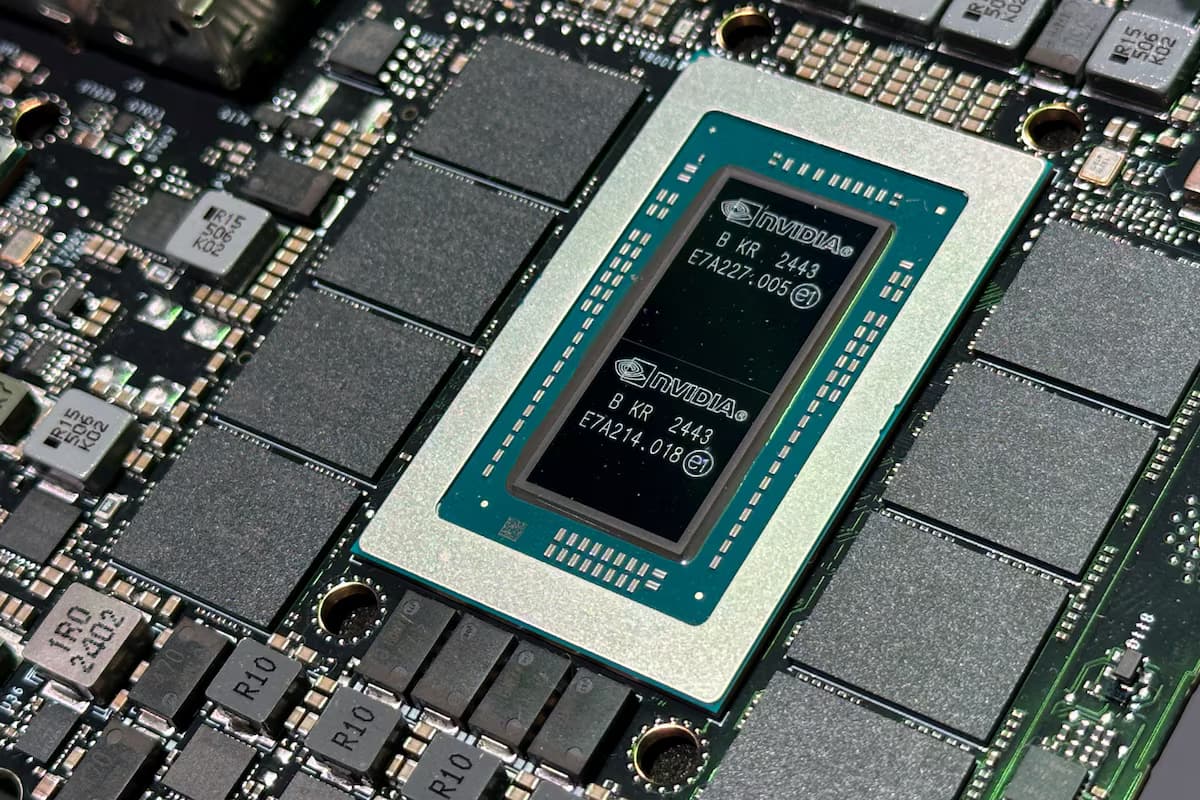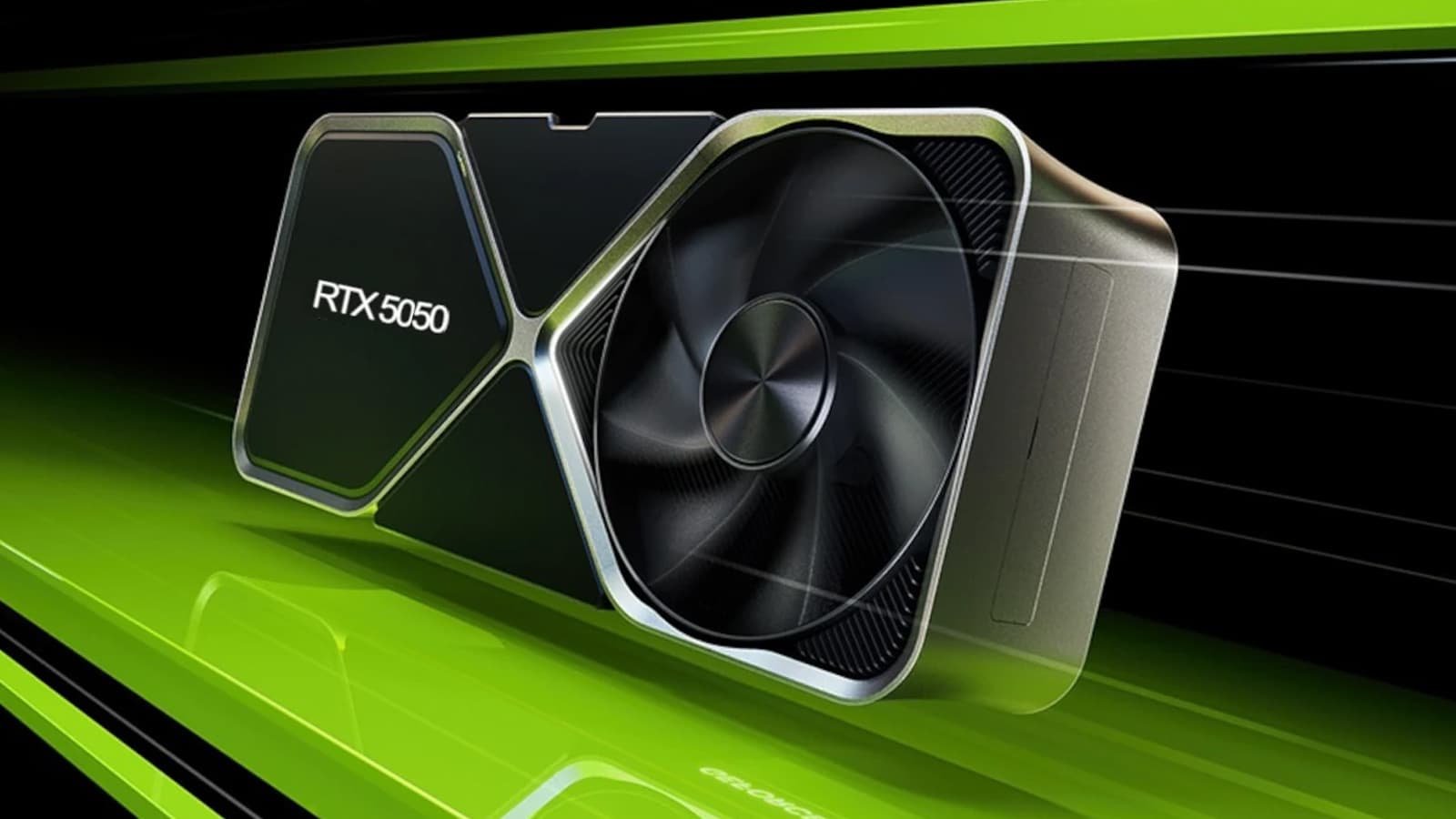

Nvidia announced a quarterly revenue of $96 billion, doubling its performance from the previous year, while simultaneously increasing support for Chinese open-source AI models. The company faces a complex regulatory environment as it attempts to maintain its dominant market position amid potential U.S. government restrictions.
Record Financial Performance
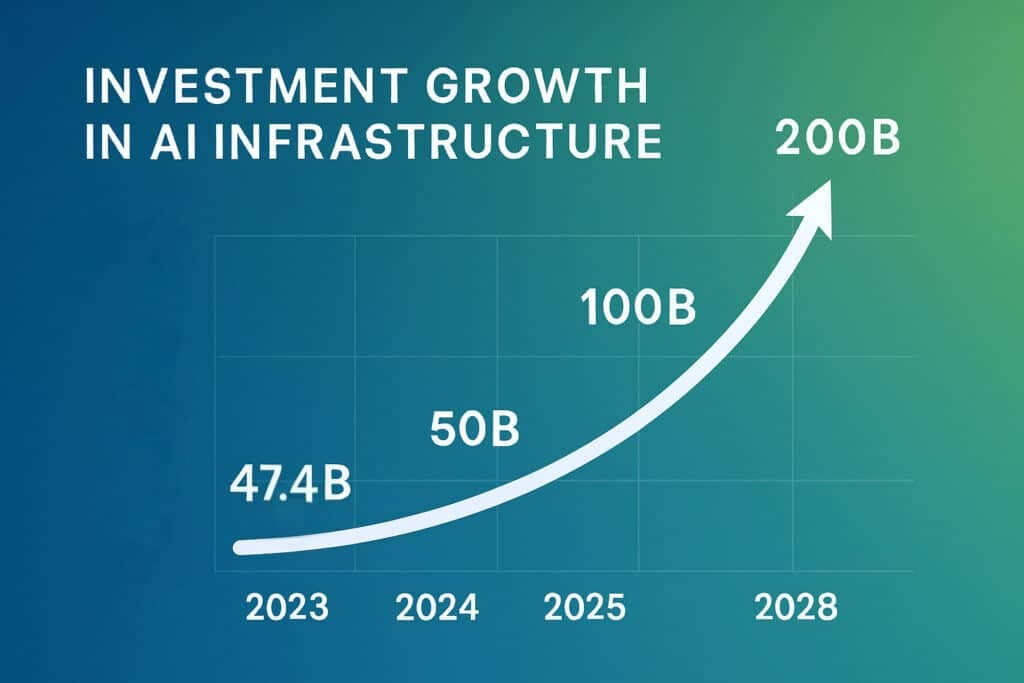
Nvidia has delivered another historic financial report, signaling that the global demand for AI infrastructure remains remarkably high. The company generated $96 billion in revenue during the second quarter, representing a more than 100% increase compared to the same period last year. CEO Jensen Huang characterized this moment as an inflection point for the industry, noting that the build-out of AI infrastructure is currently proceeding at full steam. The data center segment was the primary driver of this success, contributing $89 billion to the total revenue figure. Following the announcement, Nvidia's share price saw a significant boost, adding approximately $440 billion to its market capitalization, which now exceeds $5 trillion. Analysts from various firms have praised the results, highlighting that the company’s guidance for the upcoming quarter—projecting $108 billion in revenue—continues to outpace Wall Street’s already aggressive expectations.
Strategic Support for Global AI Models
Despite increasing geopolitical friction, Nvidia is actively optimizing its hardware stack to support Chinese open-source AI models. The company recently announced day-zero support for systems such as DeepSeek’s V4 Flash and Alibaba’s Qwen 3.8, alongside domestic U.S. systems. This move is part of a broader strategy to ensure developers globally remain tethered to the American technology stack. An Nvidia representative noted that by optimizing hardware for popular models regardless of their origin, the company reinforces its position as the preferred infrastructure layer for the entire global AI ecosystem. This approach is intended to prevent developers from migrating to competing hardware stacks offered by Chinese companies like Huawei or Alibaba, which have also begun optimizing their own processors for these open-source models.
Regulatory and Geopolitical Risks
Nvidia’s expansion into Chinese-originated AI models comes against a backdrop of mounting anxiety among U.S. lawmakers. There is growing concern that as Chinese models become more capable and cost-effective, they may become the standard for developing nations, potentially aligning those regions politically with Beijing. Consequently, the U.S. government is reportedly considering further restrictions on semiconductor exports and potential limitations on Nvidia's ability to support software applications built on Chinese-based models. In recent SEC filings, Nvidia explicitly warned that such regulatory interventions could have a material impact on its future business operations. While the company and a coalition of industry peers—including Microsoft, Meta, and Palantir—have urged policymakers to avoid premature restrictions on open-weight models, the company remains subject to the shifting mandates of the White House and global trade authorities.
Supply Chain and Market Expansion
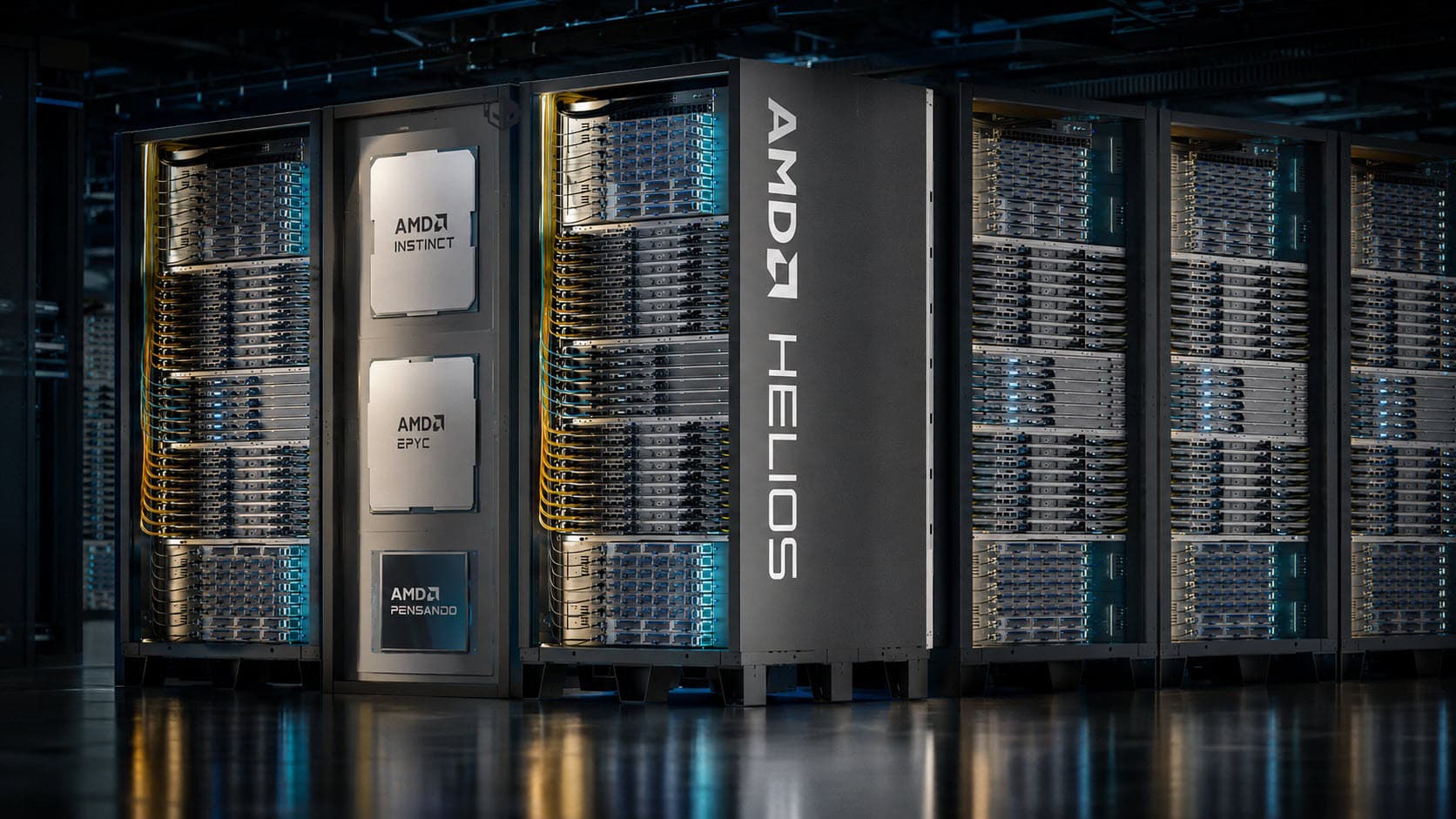
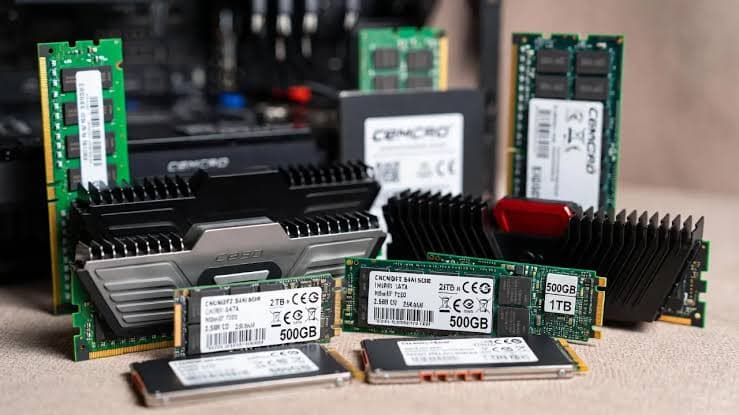
The company’s growth is currently constrained more by supply than by a lack of demand. Nvidia is grappling with production bottlenecks at its primary manufacturer, TSMC, and shortages of critical components like memory chips. Despite these limitations, the company is successfully diversifying its revenue base beyond the large hyperscalers that defined the early AI boom. Sales to industrial, enterprise, and 'AI Cloud' customers—a segment known as ACIE—reached $40.3 billion this quarter, representing a 138% annual increase. Furthermore, reports indicate that Nvidia is looking to deepen its integration into the software landscape, with discussions underway to acquire the open-source platform Hugging Face for $12.9 billion. Such a move would grant Nvidia a dominant role in the infrastructure that powers model sharing and collaboration, further insulating it against emerging competition from custom chips being developed by hyperscalers and rival AI laboratories.
⚖ The Balanced View
Supporting view
Supporters, including Nvidia leadership, argue that optimizing for a wide range of global models ensures developers continue to use the American tech stack, thereby maintaining U.S. influence in the global AI ecosystem.
Concerns & criticism
Lawmakers and national security experts worry that the prevalence of Chinese-made AI models could provide Beijing with geopolitical leverage, particularly if these models become the default choice for developing nations.
→What's next
Nvidia continues to focus on navigating supply chain constraints while scaling its production to meet the significant, unmet demand for its GPU clusters. The company has provided a revenue forecast of $108 billion for the next quarter, signaling continued momentum through the end of the year.