
For the first time in thirteen years, New York City has claimed the top spot for total tech talent jobs, surpassing the San Francisco Bay Area. This shift is primarily driven by aggressive hiring within New York's financial sector and broader growth in the artificial intelligence workforce.
The Shift in Tech Talent Geography
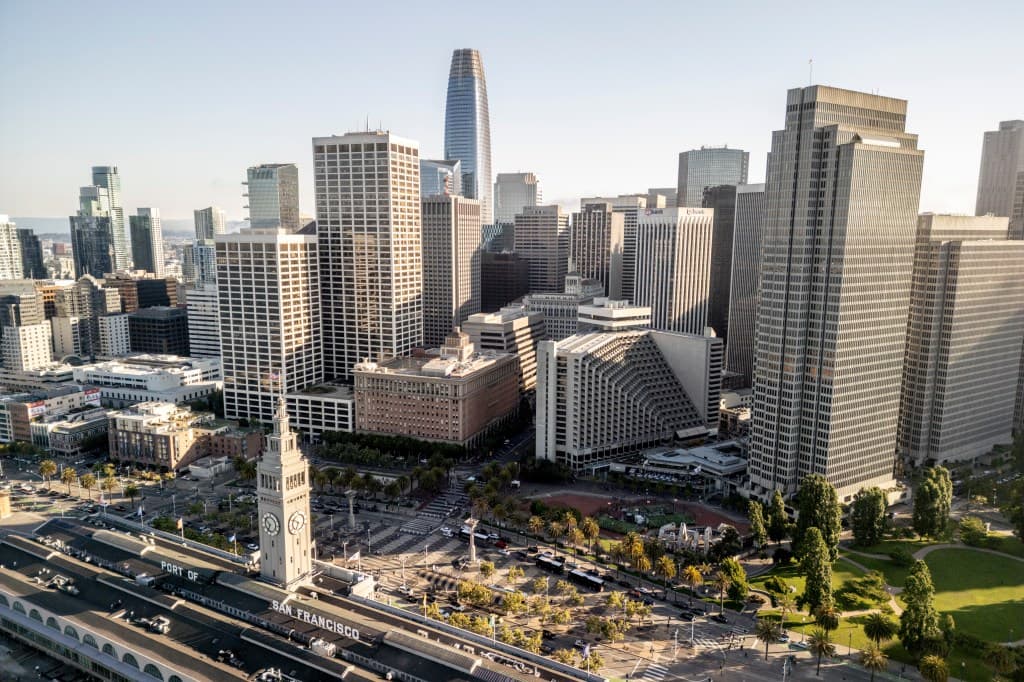
For the first time since CBRE began tracking these metrics 13 years ago, the New York metropolitan area has surpassed the San Francisco Bay Area in total tech talent employment. According to the latest data, New York now hosts 394,300 tech workers, while the Bay Area accounts for 375,730. This realignment is not merely a sign of expansion in New York but also reflects a contraction within the Bay Area, which has experienced notable workforce reductions in the tech sector. Colin Yasukochi, executive director of the CBRE Tech Insights Center, suggests that while the Bay Area has struggled with industry-wide layoffs, New York’s financial sector has increasingly integrated tech talent to bolster its AI capabilities. The report, which analyzed 75 metropolitan markets across the United States and Canada, highlights a significant geographic redistribution of the digital economy that deviates from traditional tech-hub dominance.
The Artificial Intelligence Catalyst
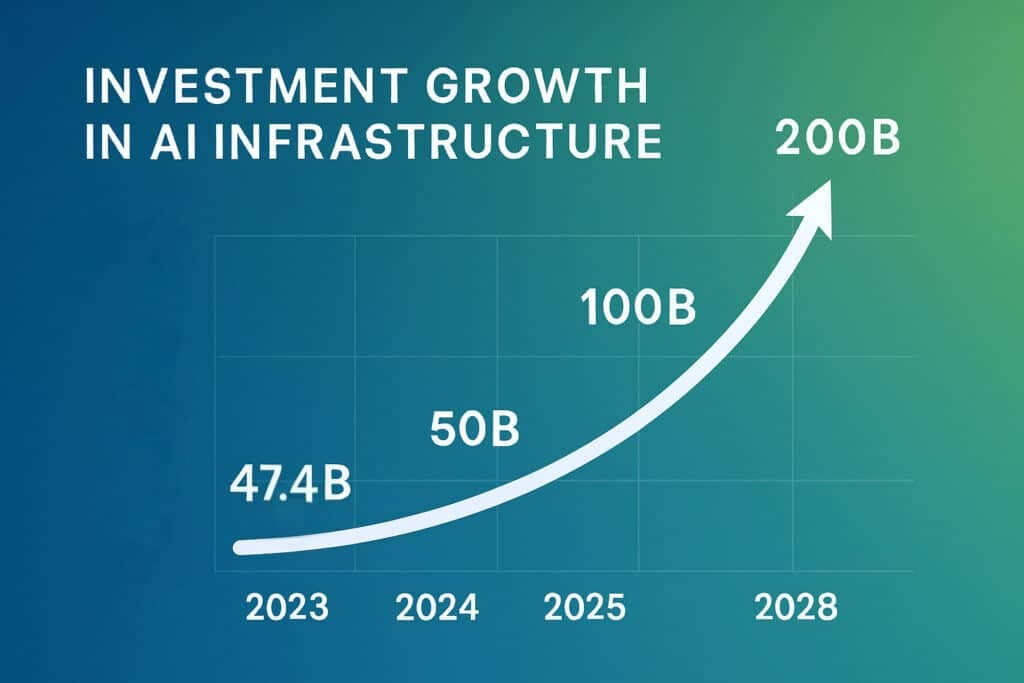
Artificial intelligence is serving as a primary driver of employment growth across North America, with AI-specific roles increasing by 45% over the past year. As of June, the region saw 751,000 workers categorized as AI-related, a figure encompassing both newly created positions and the conversion of existing roles. While New York currently holds the crown for total tech talent, the San Francisco Bay Area remains the leader in AI-specific job concentration. Together with Seattle and Washington, these four markets account for 37% of all AI-related employment in the United States. In Canada, the distribution is even more concentrated, with 60% of all AI jobs localized in Vancouver, Montreal, and Toronto. AI roles now represent approximately one-third of all tech-talent job advertisements in the United States, illustrating how rapidly the industry has integrated into the broader labor market.
Resurgence of Office-Centric Work Cultures
The proliferation of AI-focused companies is fundamentally altering the demand for commercial real estate, favoring an in-person, office-centric environment. In San Francisco, AI firms represented 58% of all leasing activity during the first half of 2026. Since 2023, these companies have leased roughly 10 million square feet of space in the Bay Area. Unlike the remote-work trends that followed the onset of the pandemic, the modern AI startup ecosystem prioritizes physical proximity to foster innovation. Colin Yasukochi noted that staff in these environments typically spend five to six days a week in the office, viewing in-person collaboration as a prerequisite for efficiency. This trend is not isolated to the West Coast; significant office leasing activity from AI firms is also being observed in Manhattan, Boston, and Seattle, effectively helping to fuel a recovery in office markets that had previously faced uncertainty.
Economic Implications and Labor Market Evolution
Early concerns that the rise of artificial intelligence would lead to widespread job displacement and a diminished requirement for commercial space have, thus far, proven premature. Instead, the current data suggests that the sector is actively creating new roles and transforming existing ones, rather than simply automating labor to the point of redundancy. The finance sector stands out as a prime example of this evolution, as firms invest heavily in AI talent to maintain competitive advantages. This ongoing transition appears to be a key reason why overall office demand has remained resilient despite the volatility seen in the broader tech landscape. By shifting the focus toward specialized human roles that necessitate collaborative office environments, the AI sector is providing a stabilizing force for urban commercial real estate markets that were previously reeling from the long-term impacts of the pandemic.
⚖ The Balanced View
Supporting view
The AI industry is actively revitalizing urban office markets by favoring high-density, in-person work models that demand consistent office presence.
Concerns & criticism
San Francisco and the Bay Area have experienced a contraction in the overall size of their tech talent workforce, contributing to the shift in regional dominance.
→What's next
Future reports will monitor whether San Francisco can reclaim its lead in total tech talent or if New York's integration of AI into finance provides a lasting competitive advantage. Additionally, analysts will watch if the high-intensity office culture of the AI sector persists as these companies transition from startup status to larger, more mature organizations.