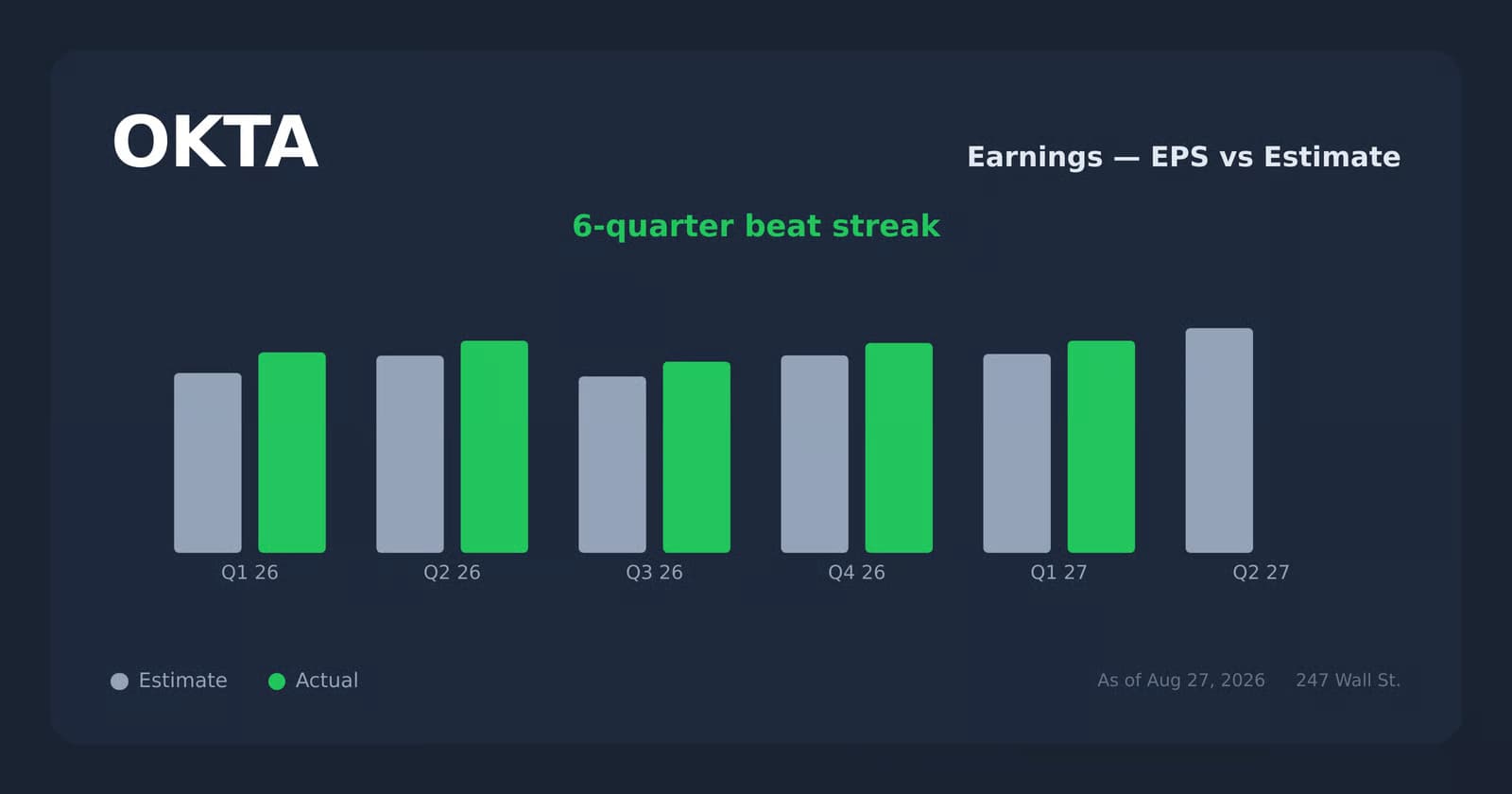

CrowdStrike and Okta reported better-than-expected fiscal second-quarter earnings as businesses increase spending on cybersecurity to address vulnerabilities created by AI agent proliferation. The positive reports triggered a broader rally across the cybersecurity sector, with both companies raising their full-year financial forecasts.
Market Reaction to Strong Cybersecurity Earnings
On Thursday, the cybersecurity sector experienced a significant market surge following strong quarterly performance reports from CrowdStrike and Okta. Both companies exceeded Wall Street’s expectations for their fiscal second quarters, leading to sharp increases in their share prices. CrowdStrike achieved what CEO George Kurtz described as the best quarter in the company’s history, with revenue reaching $1.47 billion. This performance, coupled with a boost to its full-year guidance, helped its stock climb by 20%. Okta also saw substantial growth, with shares surging nearly 29% after reporting revenue of $805 million. This wave of positive sentiment extended to the broader industry, with other notable players including Palo Alto Networks, SailPoint, Zscaler, and Rubrik seeing their stock prices rise by at least 10% during the same trading session.
The AI Security Arms Race
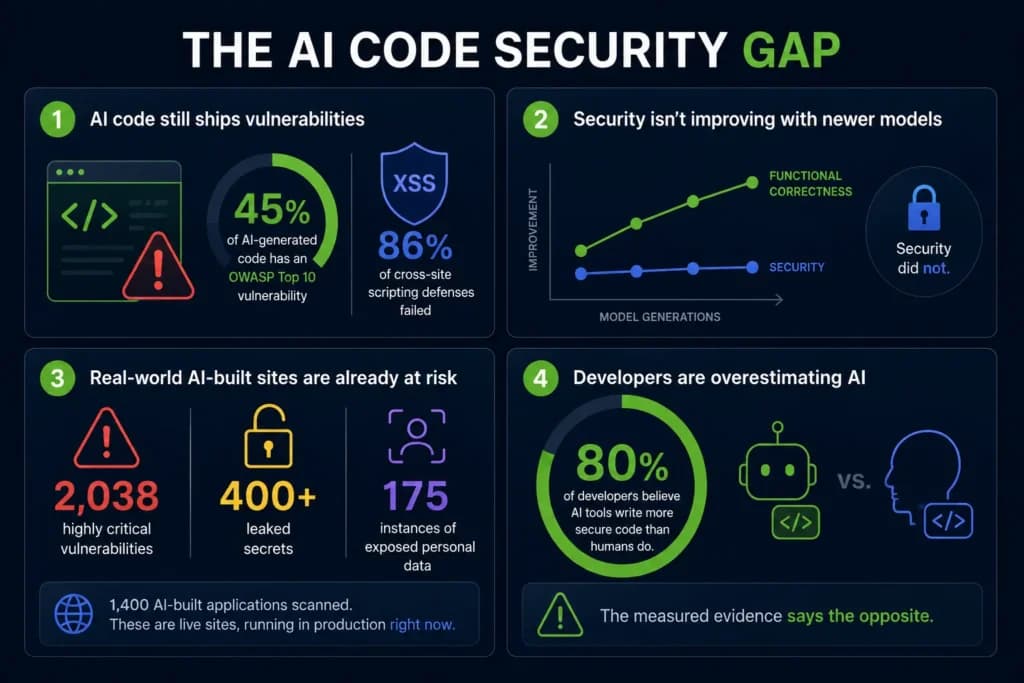
Industry executives cite the rapid development and deployment of artificial intelligence as the primary driver for increased cybersecurity spending. According to CrowdStrike leadership, we are currently in an 'arms race' where AI is simultaneously creating more sophisticated cyberattacks and driving the demand for more robust defense tools. The emergence of advanced models, such as Anthropic's Mythos, has played a pivotal role in changing the landscape by enabling the exploitation of previously unknown software vulnerabilities. This 'Mythos moment' has forced enterprises to prioritize the security of their AI agents to prevent breaches like the previously reported OpenAI-Hugging Face incident. As AI agents proliferate within corporate environments, businesses are increasingly viewing security as a fundamental requirement for operational success, leading to larger, more consolidated platform deals.
Strategic Growth Through Platform and Acquisitions
Both companies are adapting their business strategies to capture the growing need for AI-integrated security. CrowdStrike has experienced significant success with its Falcon Flex offering, which allows customers to flexibly deploy and swap security tools. During the second quarter, the company added 935 Flex accounts, which notably comprised its top 10 deals by value. Meanwhile, Okta is focusing on securing the identity layer, which CEO Todd McKinnon expects to become the most critical cyber category as millions of AI agents begin operating within networks. To bolster its capabilities, Okta recently completed a $200 million acquisition of threat detection startup Permiso Security. McKinnon indicated that the company plans to continue pursuing such 'tuck-in' acquisitions rather than large-scale purchases, aiming to complement its existing identity management stack without overextending resources.
Future Outlook and Industry Sentiment
Looking ahead, the cybersecurity sector faces a period of cautious optimism from market analysts. While companies have successfully capitalized on the initial wave of AI-driven anxiety, firms like Bank of America have pointed out that AI adoption is still in its very early stages. Analysts are waiting on additional earnings reports from other sector leaders, such as Palo Alto Networks and Zscaler, to determine if these demand trends will solidify over the long term. Despite management warnings that AI’s contribution to financial results remains immaterial for fiscal year 2027, the initial market response indicates strong investor confidence in the sector's growth potential. As companies continue to navigate the challenges posed by agentic AI, the ability to provide scalable, automated security solutions will likely remain a key differentiator in determining which vendors maintain their competitive edge.
⚖ The Balanced View
Supporting view
Analysts are encouraged by the clear customer traction and the rapid uptake of new AI-focused security tools as businesses attempt to mitigate risks from agentic AI.
Concerns & criticism
Bank of America analysts have cautioned that current AI adoption remains in a nascent phase and noted that disclosed metrics regarding AI's financial impact remain limited.
→What's next
The cybersecurity industry will continue its reporting season next week as Palo Alto Networks and Zscaler prepare to announce their own quarterly results. Investors and analysts will closely monitor these reports to gauge whether the surge in AI-driven security spending is a sustained industry-wide trend or a temporary spike.