
The Australian Recording Industry Association has officially banned tracks that are primarily created by artificial intelligence from its charts. The move aims to preserve the human essence of artistry in an increasingly competitive music market.
The New Regulatory Framework
The Australian Recording Industry Association (ARIA) has introduced a strict mandate requiring all music releases to be "substantially human made" to qualify for its official charts. This policy shift effectively bars tracks generated primarily or entirely through artificial intelligence. While the association recognizes that modern production workflows often incorporate technological aids, it insists that the core of any composition—specifically the songwriting, lead vocals, and primary instrumental performances—must be the work of human artists. The new guidelines do allow for certain forms of assistance, such as using drum machines, auto-tuning software, or technical mastering services. By setting these boundaries, ARIA aims to distinguish between artist-driven innovation and content created wholesale by AI models that rely on existing copyrighted recordings.
Context and Catalyst for Change
This regulatory update follows a high-profile controversy involving an AI-generated cover of Madonna’s "Like A Prayer" by Australian DJ Josh Fawaz. The track achieved significant commercial success, topping the ARIA dance singles chart, peaking at number two on the national overall chart, and accumulating over 48 million streams on Spotify. After facing intense public backlash, Fawaz retroactively applied generative AI credits to the track. ARIA officials pointed to this incident as evidence of the challenges facing human artists, who are currently competing for visibility in one of the most saturated markets in history. Consequently, the association stated it would not prioritize or promote music that lacks human artistic effort, fearing that a failure to act would undermine the integrity of the recordings they represent.
Enforcement and Artist Disclosure
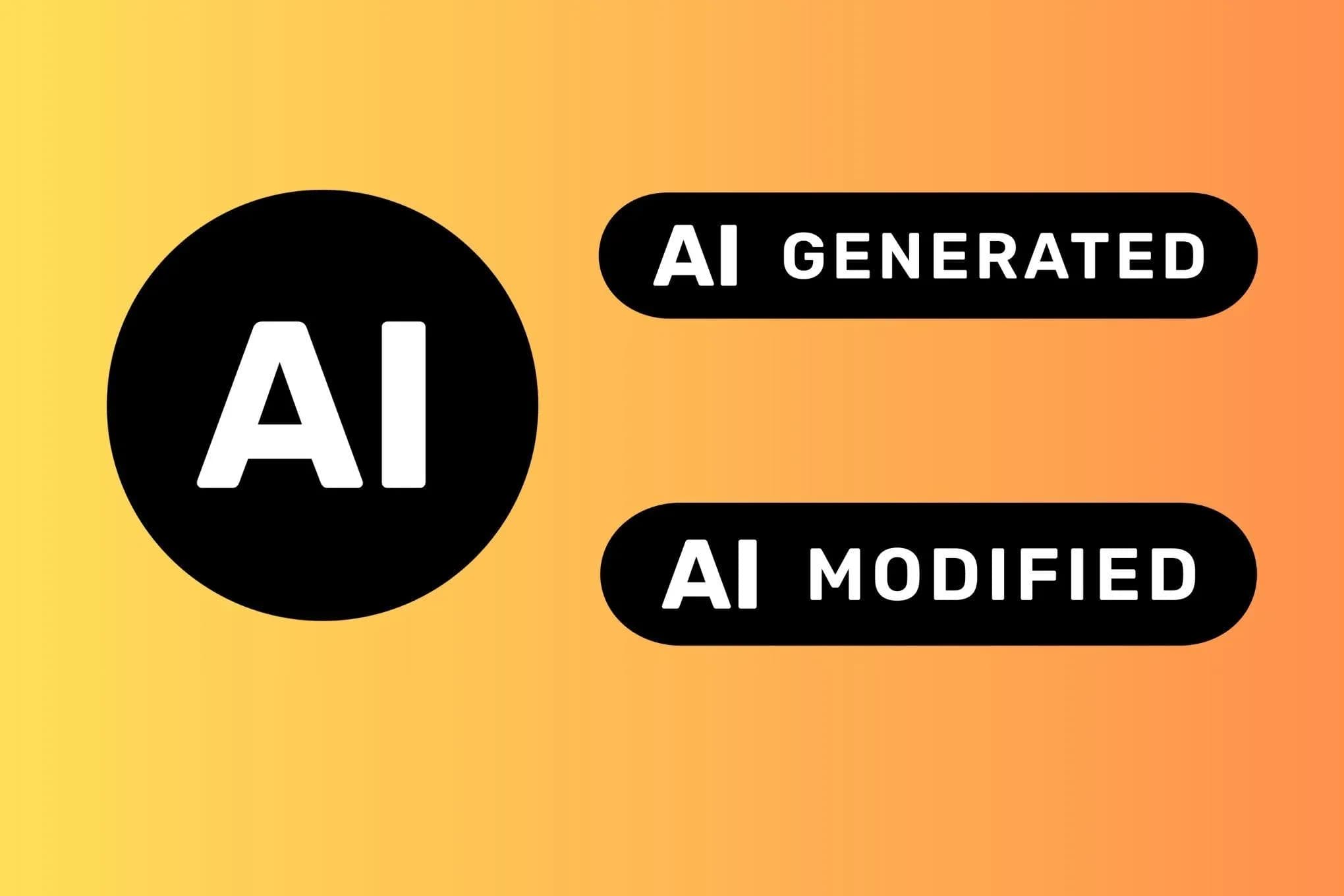
Moving forward, the ARIA policy requires artists to declare the extent of their AI usage during the chart submission process. The organization has established a mechanism for retrospective adjustment, meaning if a song is discovered to be primarily AI-generated after it has climbed the charts, its position may be modified. In extreme scenarios where such a track reaches the top position, ARIA reserves the right to demand the return of any awards or accolades granted for that achievement. While these rules are stringent, the association has implemented a formal appeals process, allowing artists and their representatives to challenge any exclusions or chart adjustments. This system is designed to provide accountability while maintaining a dynamic space for evolving musical technologies.
Broader Industry Implications
Australia's decision aligns with a global trend of music organizations addressing the rise of automated content. Earlier in 2026, Sweden implemented a similar ban on AI-created tracks from its own music charts. Furthermore, the International Federation of the Phonographic Industry (IFPI) announced in July that it is rolling out standardized AI guidelines across the Middle East, Africa, Southeast Asia, and Latin America. In Australia, the shift is supported by various industry figures, including the electronic act Peking Duk. Band member Adam Hyde has publicly criticized AI, arguing that it strips away the human experience essential to music. Political leaders are also involved, with Prime Minister Anthony Albanese previously promising to enact strong protections for creative professionals, framing the unauthorized use of artists' work in training AI models as a form of intellectual property theft.
⚖ The Balanced View
Supporting view
Supporters, including ARIA leadership and artists like Peking Duk, argue the ban is necessary to protect the human essence of artistry and prevent market saturation by non-human generated content.
Concerns & criticism
Some artists, as evidenced by the case of Josh Fawaz, utilize AI as part of their creative process, highlighting a tension between traditional standards and the adoption of modern technological tools in music production.
→What's next
ARIA is expected to begin immediate enforcement of the new guidelines, with artists now required to formally declare their use of AI-assisted tools during chart submission. Industry watchers will likely monitor whether these measures effectively deter AI-generated hits or if they prompt a wave of appeals from affected producers.