
Meta has settled a major lawsuit with state attorneys general for up to $18 billion, committing to new restrictions on teenage user activity and the development of age-detection tools. The agreement attempts to set a new industry-wide precedent that could influence the regulatory landscape for competitors like TikTok and YouTube.
The Settlement Terms
Meta has reached a significant legal agreement with a coalition of state attorneys general to resolve claims that the company misrepresented the potential mental health risks its platforms posed to minors. Under the terms, the company is slated to pay up to $18 billion to support online safety initiatives, with approximately $5.3 billion of that payout contingent upon competitors like YouTube and TikTok adopting similar safety measures. Beyond the financial penalties, Meta must overhaul the user experience for teenagers. This includes the implementation of daily time limits and mandatory nighttime access blocks, designed to curb late-night usage. Furthermore, the company is required to build and test a new age-assurance model within the next year to more effectively identify and exclude users under the age of 13. The agreement also provides for an independent auditor to monitor Meta’s ongoing compliance with these new operational standards.
Legal Implications and Data Privacy
A controversial aspect of the settlement involves a specific provision granting Meta a 'covenant not to sue' from participating states regarding the collection and retention of children’s data. This permission is restricted to the development and training of age-assurance systems, and the agreement mandates that this data cannot be utilized for algorithmic optimization, marketing, or ad targeting. While some legal experts view this as a standard privacy guardrail for compliance, others worry it could complicate future enforcement actions. Because the agreement bars states from bringing past, present, or future COPPA-related claims specifically tied to this data use, critics fear it sets a risky precedent. Legal observers note that the effectiveness of these protections relies on Meta’s ability to isolate behavioral data, a task that remains technically complex and potentially difficult to police, especially given that the FTC, which typically oversees federal COPPA enforcement, is not a party to this deal.
Pressure on Industry Competitors
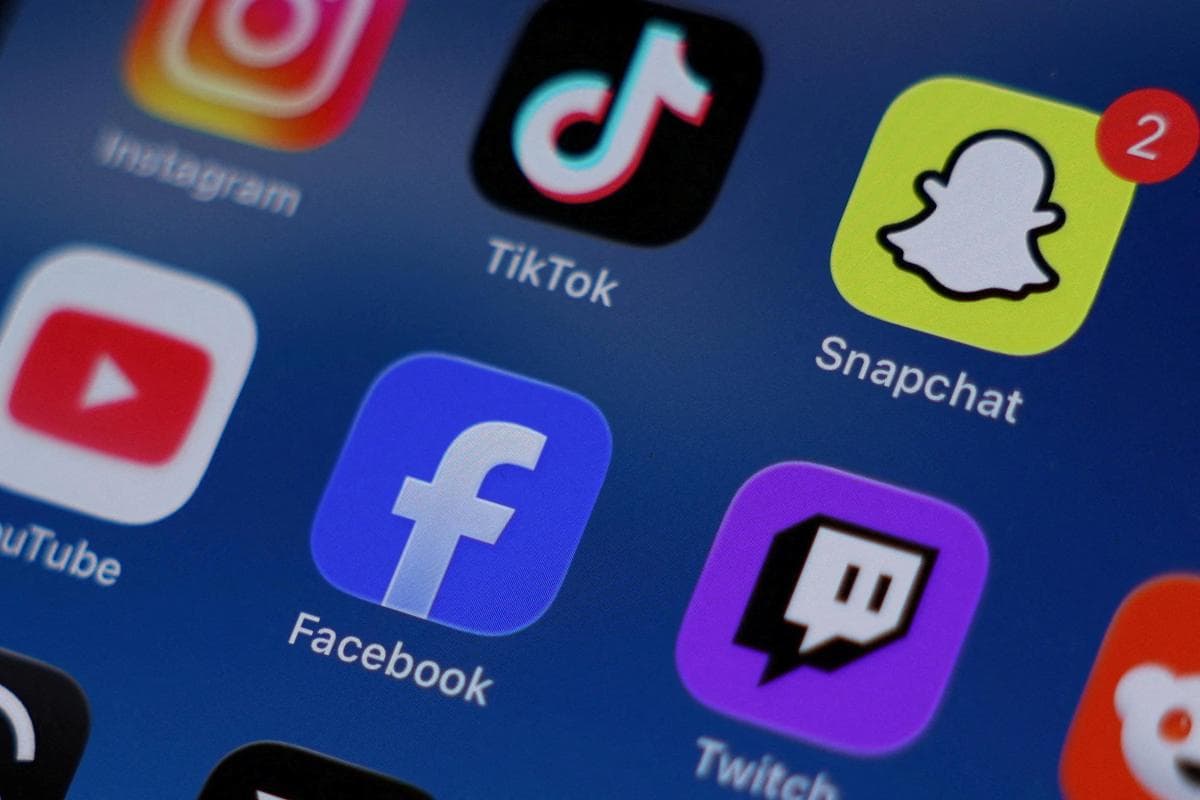
The settlement structure is explicitly designed to force the rest of the social media industry to fall in line. By linking billions of dollars of the settlement payout to the actions of competitors, Meta and the state attorneys general are creating a unified front to push for uniform industry standards. If companies such as Snap, TikTok, and YouTube agree to implement comparable restrictions, the standards will become significantly more stringent. For instance, the current daily limit for teens of two hours would drop to 60 minutes, and the nighttime ban would expand from 10 p.m. through 7 a.m. Legal scholars suggest that this maneuver effectively removes Meta as an ally for its rivals in their joint lobbying efforts. With public sentiment turning sharply against social media firms and state attorneys general feeling emboldened by this legal victory, competitors may find themselves increasingly cornered as they face their own separate lawsuits from school districts and individual plaintiffs.
Broadening Regulatory Scope
This settlement represents a major escalation in how states are approaching the regulation of social media giants. California Attorney General Rob Bonta, who co-led the litigation, described the settlement as a 'floor' rather than a 'ceiling' for future regulatory efforts. By establishing a framework that combines financial concessions with mandatory product redesigns, the states have demonstrated a blueprint for how they intend to handle other platforms. While Meta settled to avoid the uncertainty of continuing a trial that had already seen senior executives questioned about their knowledge of teen safety data, the move has done little to shield them from future litigation. State officials have made it clear that they view this as the beginning of a broader campaign. The industry is now watching closely to see if this success leads to a wave of standardized, state-mandated safety features across all major social media platforms.
⚖ The Balanced View
Supporting view
Supporters, including state attorneys general, argue the settlement establishes necessary industry-wide safety standards and provides critical funding for youth mental health initiatives.
Concerns & criticism
Legal experts express concern that the 'covenant not to sue' regarding children's data creates a legal loophole that could disincentivize future enforcement of privacy laws like COPPA.
→What's next
Regulators are expected to turn their focus toward TikTok, YouTube, and Snap, pressuring them to adopt the safety standards set by the Meta settlement. Meanwhile, the legal community will closely monitor how Meta executes its age-assurance model and whether an independent auditor finds the company effectively isolates children's behavioral data.