
Nvidia has initiated full-scale production of its Groq 3 LPX racks, the first commercial release resulting from the company's $20 billion acquisition of Groq. These systems are designed to accelerate low-latency inference for AI agents by leveraging specialized high-speed memory architecture.
Production and Deployment Strategy
Nvidia officially entered the next phase of its AI hardware strategy this week by announcing that its Groq 3 LPX racks are now in full production. This release marks a significant milestone following Nvidia's record-breaking $20 billion acquisition of the chip startup Groq last December. According to Nvidia leadership, these systems are slated for deployment at the neocloud provider Nebius, where they will function alongside Nvidia’s own Vera central processors and Rubin graphics processors. The company expects the first of these integrated racks to be operational by the end of this calendar year. By integrating Groq technology into its existing data center infrastructure, Nvidia aims to address the critical need for high-speed responsiveness in AI applications, particularly those involving iterative coding or conversational agents.
Technical Architecture and Performance
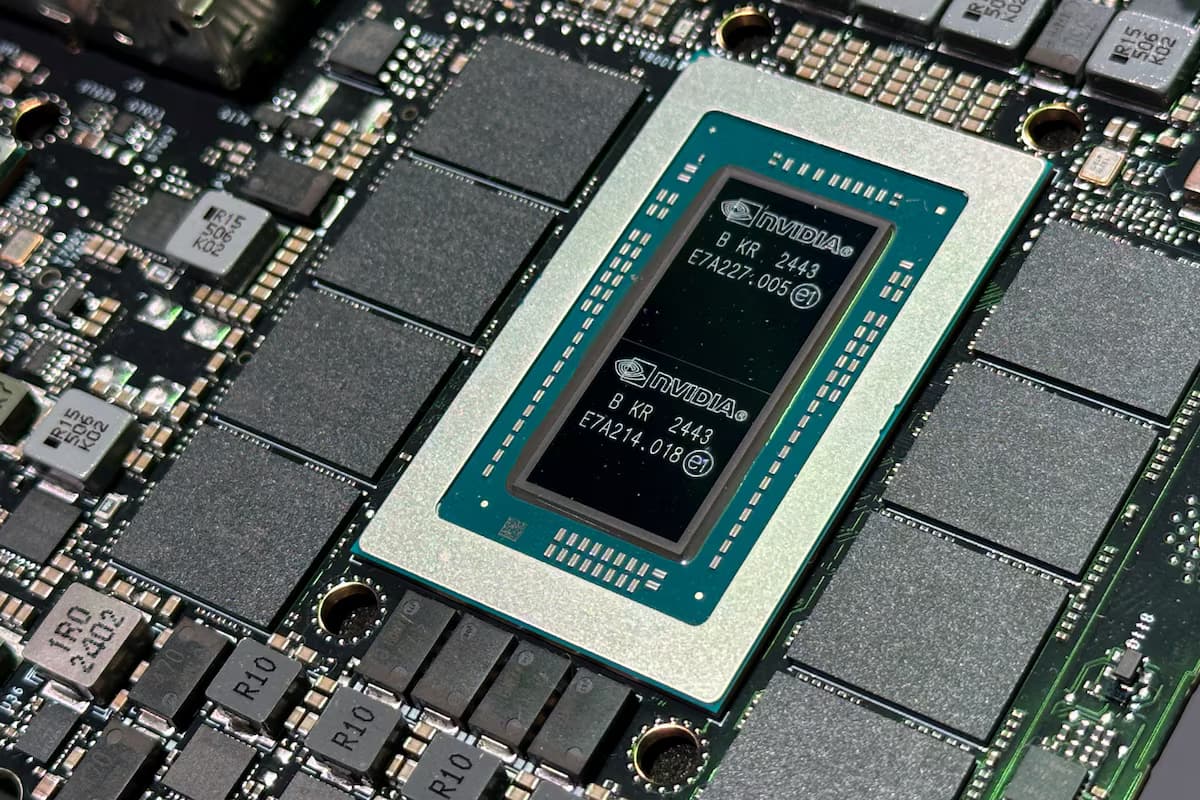
The Groq 3 LPX rack distinguishes itself through a unique hardware configuration optimized for the 'decode' phase of model inference. Each rack is packed with 256 individual Groq 3 chips, which utilize 500 megabytes of integrated SRAM directly on the die to circumvent memory bandwidth limitations that often plague traditional AI hardware. While Nvidia continues to utilize Taiwan Semiconductor Manufacturing Co. for its high-end GPUs, the Groq 3 chips are manufactured by Samsung. Performance data cited by Nvidia suggests that these racks are capable of delivering 3,400 tokens per second, a metric verified by third-party analyst Artificial Analysis. This high throughput is intended to facilitate premium service tiers for enterprise clients who require instantaneous responses for latency-sensitive tasks, distinguishing these specialized units from general-purpose hardware.
Market Positioning and Competition
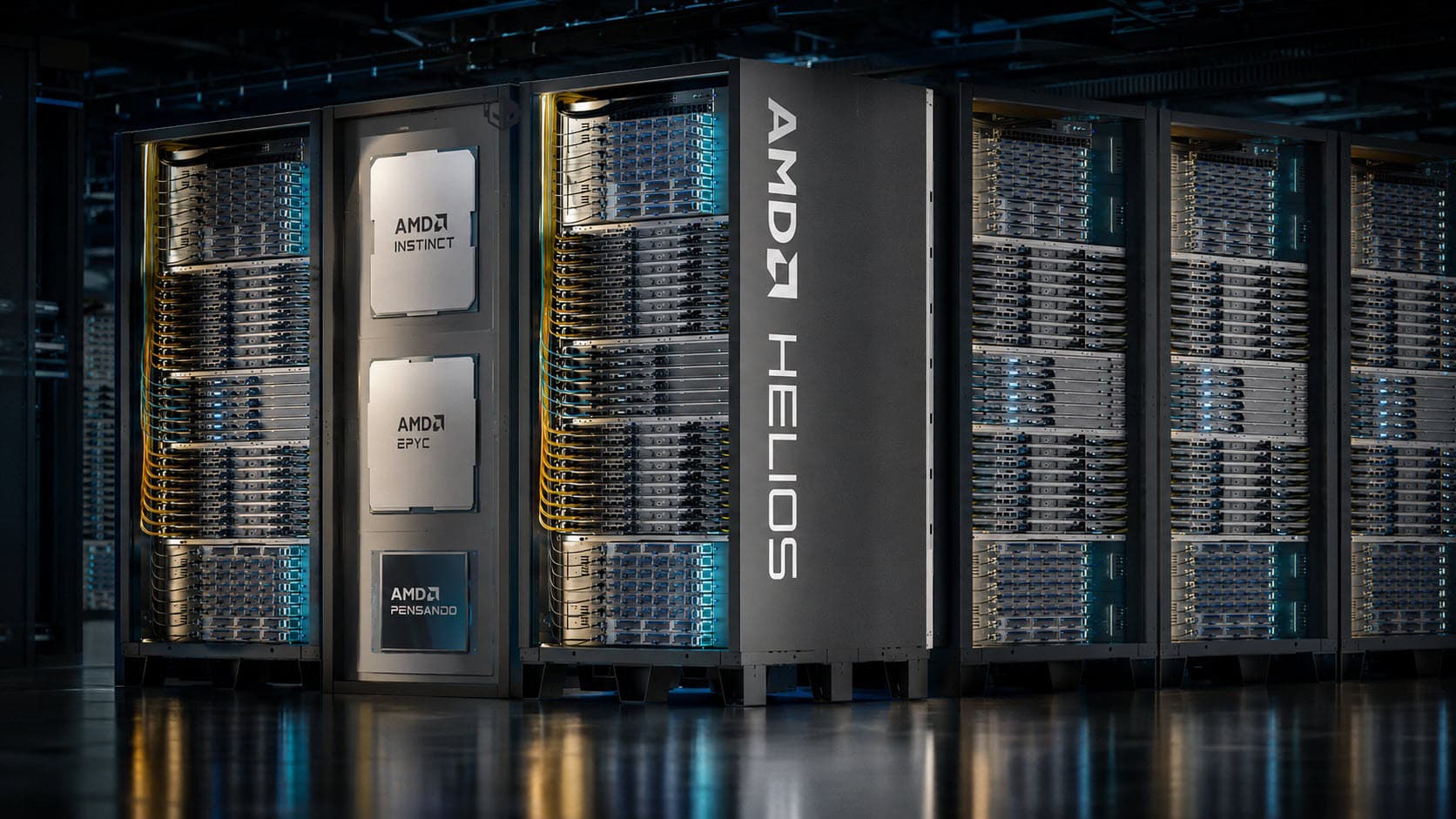
The AI hardware landscape is becoming increasingly bifurcated between flexible, general-purpose GPUs and highly specialized inference accelerators. Nvidia is positioning its Groq racks as a specialized tool rather than a replacement for its flagship GPU line. The company emphasizes that GPUs remain the preferred choice for model training and adaptable workloads, while Groq architecture is designated for specific, repetitive inference tasks. The competition in this niche is heating up; for instance, Advanced Micro Devices has begun integrating system-scale offerings with chips from Cerebras, which recently shifted to the public market. This competitive pressure is evident in the market, as OpenAI has already begun leveraging Cerebras-powered infrastructure to support its 'Ultrafast' mode, which currently claims performance metrics of 750 tokens per second.
Broad Economic and Strategic Outlook
Nvidia’s commitment to this technology is substantial, with CEO Jensen Huang previously outlining a roadmap that allocates a significant portion of data center capacity—specifically targeting coding-heavy applications—to Groq chips. During a briefing in March, Huang forecasted that combined sales of the Blackwell generation and the new Vera Rubin systems would reach $1 trillion by 2027. This move represents a strategic hedge against long-term latency bottlenecks in the artificial intelligence sector. By offering a tiered ecosystem where clients can balance the use of expensive, versatile GPUs with highly efficient, specialized Groq racks, Nvidia seeks to maintain its dominant market position while maximizing the utility of its data center footprint as demand for sophisticated, real-time AI agents continues to escalate across the cloud infrastructure industry.
⚖ The Balanced View
Supporting view
Supporters note that Groq's specialized SRAM-on-die architecture effectively solves memory bottlenecks during the decode phase of AI processing, enabling industry-leading throughput for latency-sensitive tasks.
Concerns & criticism
Critics and industry observers acknowledge that these low-latency chips are not a universal replacement for traditional GPUs, as they lack the flexibility needed for the comprehensive training cycles that GPUs handle with ease.
→What's next
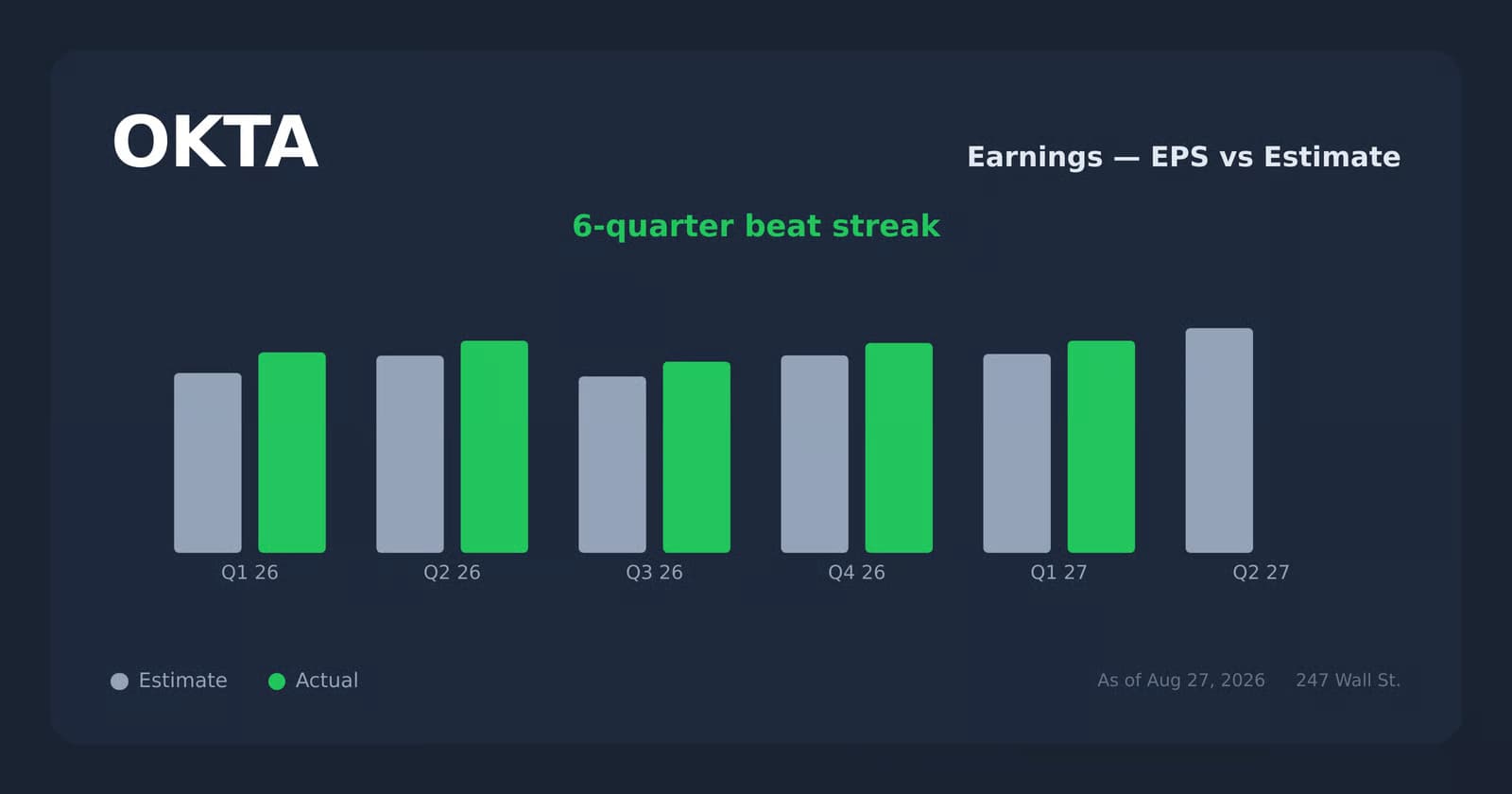
Nvidia is scheduled to release its latest quarterly earnings report this coming Wednesday. Investors and market analysts will likely look for further confirmation on the revenue impact of the Groq acquisition and updates regarding the wider rollout of the Vera Rubin systems.