
The rapid growth of AI-driven data centers has triggered public backlash over water consumption in the U.S. and prompted the UK energy regulator, Ofgem, to combat speculative grid applications. These developments highlight the tension between the push for massive computing capacity and the constraints of local environmental and energy infrastructure.
The Mounting Backlash Over Water Resources
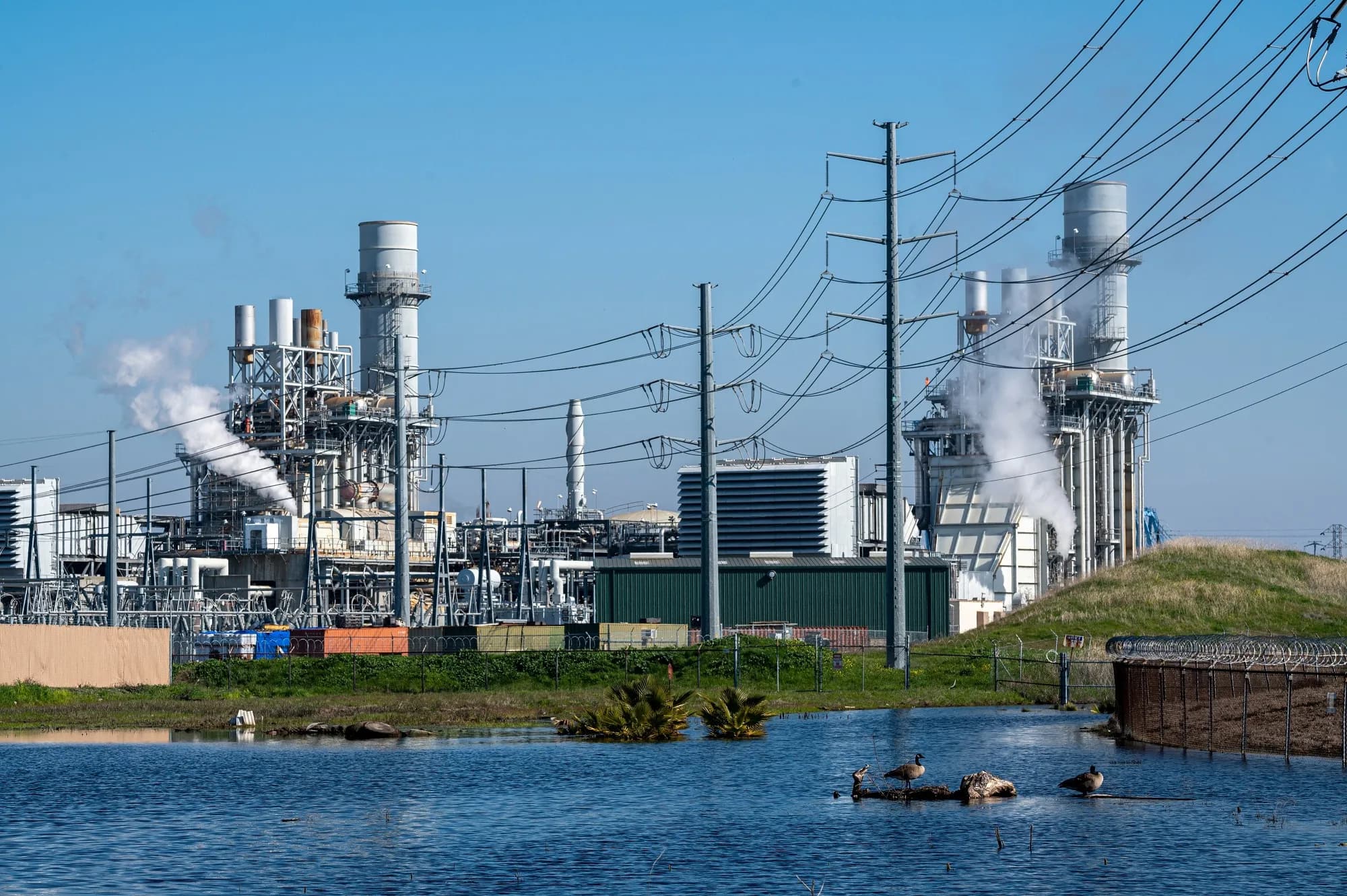
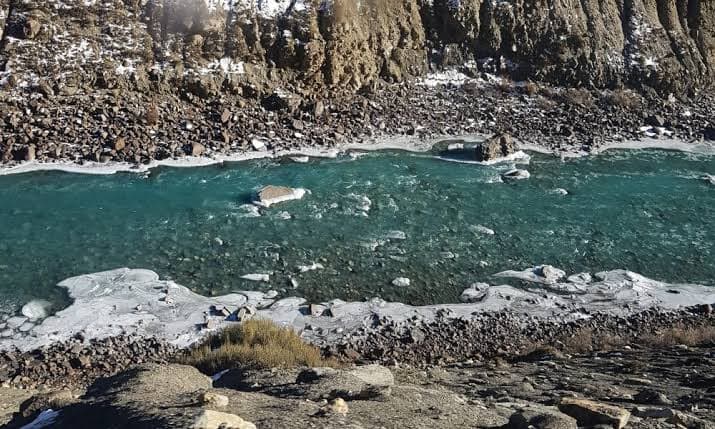
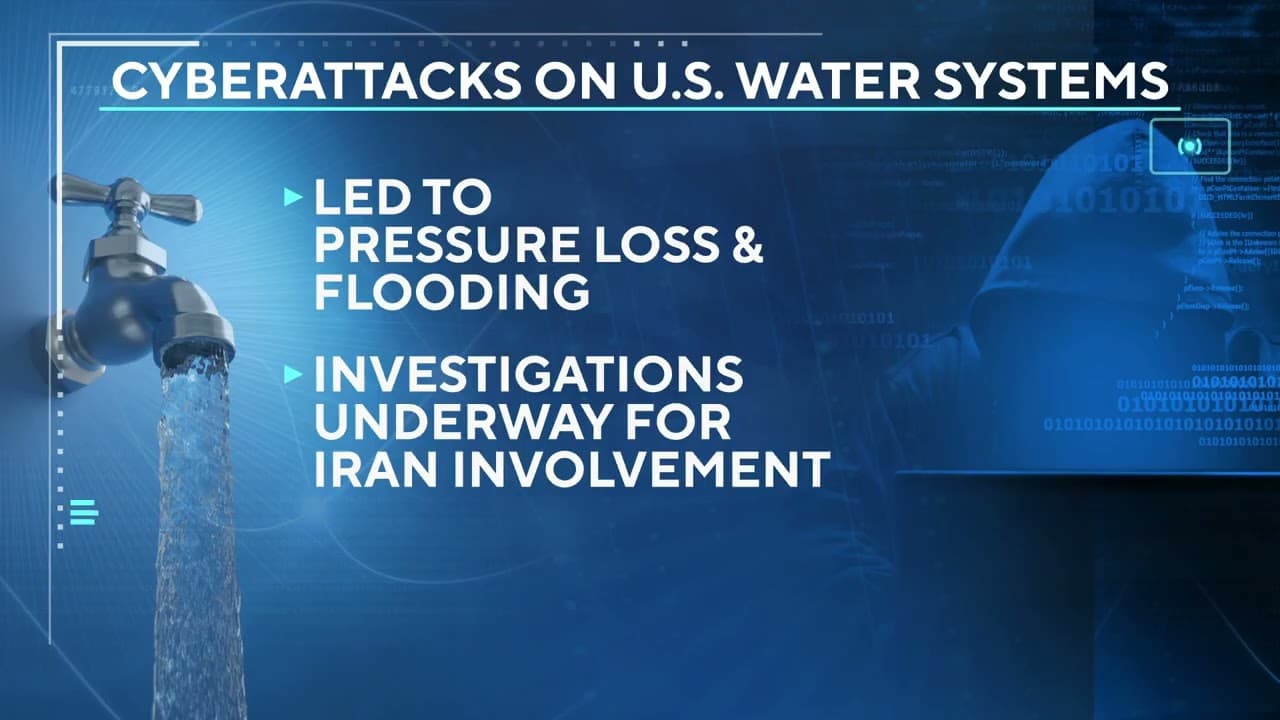
A wave of public opposition is sweeping across parts of the United States, particularly in states like Arizona, New Mexico, and Texas, where data center expansion is increasingly viewed as a threat to local water security. Because high-performance AI processors generate extreme heat—reaching temperatures as high as 176° Fahrenheit—facilities often rely on water-intensive cooling systems that dissipate heat through evaporation. Residents are organizing against these developments, arguing that the industry’s hunger for resources prioritizes technological growth over the survival and well-being of the local communities who rely on these finite water supplies. While industry proponents argue that total data center water use is negligible compared to agriculture or large-scale manufacturing, experts note that such metrics can be misleading when localized. The concentration of massive facilities in drought-stricken areas creates localized stress that averages simply cannot capture. Although engineers are exploring methods to reach net-zero water cooling, the visible and immediate impacts of these facilities continue to drive political unrest as citizens demand greater transparency and accountability from tech corporations rapidly scaling their AI infrastructure.
Grid Bottlenecks and Phantom Infrastructure
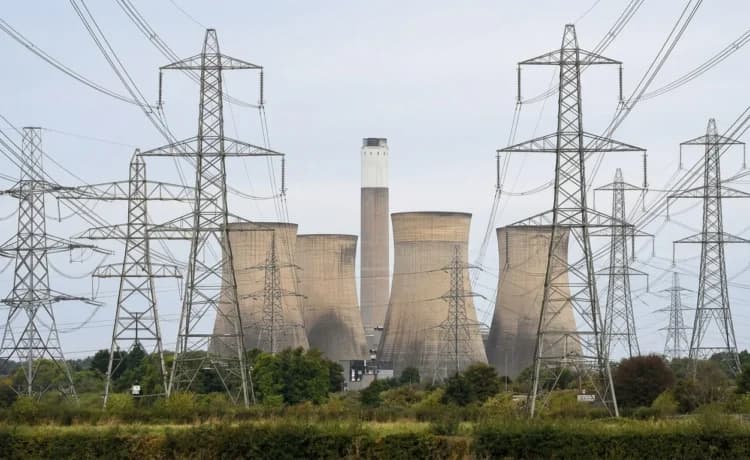
The challenge of managing data center growth extends to the electrical grid, where a surge in speculative applications has crippled the planning process in the United Kingdom. Since late 2024, when data centers were officially classified as critical national infrastructure, the UK grid connection queue has ballooned to 125 gigawatts of proposed demand. Analysts, including those from grid optimization firms like Neara, suspect that a significant portion of this demand is composed of 'phantom' projects—proposals submitted by speculators to stake a claim on grid capacity without clear plans or funding to actually build. These speculative bets essentially clog the system, forcing operators to conduct complex, time-consuming, and expensive feasibility studies for projects that may never reach fruition. This bottleneck discourages legitimate developers and hinders grid operators from accurately forecasting energy needs or prioritizing essential network upgrades. The resulting congestion creates a market environment akin to ticket scalping, where intermediaries flip land packages bundled with grid access for a premium, further slowing the pace of genuine infrastructure deployment.
Regulatory Interventions and Economic Risks
To address the grid logjam, the UK energy regulator Ofgem has proposed a series of stringent reforms designed to purge non-viable projects. The plan includes the imposition of large, nonrefundable deposits—potentially reaching hundreds of millions of dollars for the largest facilities—and mandates that developers prove both their funding and a pipeline of committed customers before receiving a connection. While these measures are expected to deter speculative activity, they present a significant economic gamble. Critics and legal experts warn that an overly burdensome fee structure could drive investment away from the UK and toward the United States or more hospitable European markets. There is also a concern that the costs could disproportionately hurt smaller, specialized AI data center operators, potentially stifling the diversity of the sector and cementing the dominance of only the largest, wealthiest tech conglomerates. As the government attempts to balance its ambition to become a global AI hub with the need for a stable and orderly power grid, it faces a delicate 'Goldilocks' dilemma: setting the barrier to entry high enough to stop speculators, but low enough to remain competitive for legitimate developers.
Future Outlook and Technological Mitigations
As stakeholders grapple with the dual pressures of environmental sustainability and grid capacity, the industry is increasingly focused on innovation to mitigate its footprint. For water usage, experts suggest that while data center consumption is a fraction of total national use, the future buildout requires advanced cooling strategies, such as water replenishment programs, to achieve long-term sustainability goals. In the power sector, the focus is shifting toward smarter long-term urban planning. Rather than treating every application as an inevitable build, grid operators are looking to implement more precise data-driven models to identify where demand is real and where it is purely speculative. This involves a fundamental shift in how the industry and regulators interact, moving away from a 'gas pedal' approach of rapid, unchecked growth toward a more strategic, managed expansion. Successfully aligning these infrastructure needs with the realities of water and power availability will determine which regions ultimately successfully attract long-term capital investment and which continue to struggle under the weight of uncoordinated and unsustainable development.
⚖ The Balanced View
Supporting view
Proponents argue that data center infrastructure is vital for economic growth and maintaining national competitiveness in the AI sector, and that total water consumption remains statistically lower than traditional industrial sectors.
Concerns & criticism
Critics and regulators emphasize that speculative grid applications and water-intensive cooling processes create local risks that threaten utility stability, increase grid congestion, and incite environmental backlash from impacted communities.
→What's next
Ofgem is set to finalize its new grid connection requirements following an industry feedback process that concludes in September 2026. Simultaneously, community-led protests in drought-prone regions are expected to maintain pressure on local governments to mandate stricter water-use transparency for new facility proposals.