
Nvidia is reportedly preparing to increase the price of its high-end AI server systems by over 15% for key clients starting next year. The move follows rising procurement costs for critical memory components integrated into the company's latest hardware.
Scope of the Planned Price Adjustments
Nvidia, the dominant force in the artificial intelligence hardware market, is reportedly planning to implement significant price increases for its largest corporate and data center clients. According to industry reports, these adjustments will target server systems integrated with the company's most advanced chip architectures. Specifically, hardware configurations utilizing the Grace Blackwell and Vera Rubin platforms are slated to see cost increases exceeding 15% in many instances. This indicates a broad pricing strategy shift rather than a singular adjustment, as the final price impact will ultimately be determined by the specific generation of the chips involved and the memory configurations specified for each system order.
Drivers Behind the Cost Shift
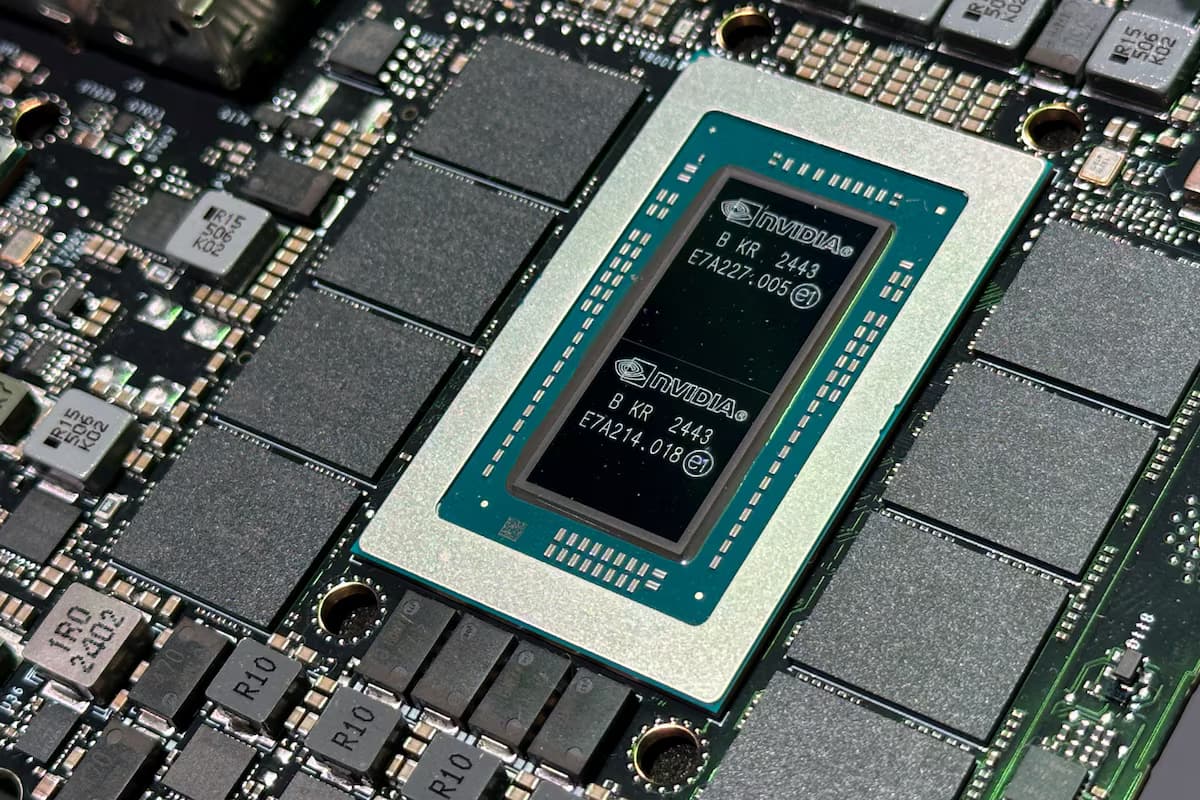
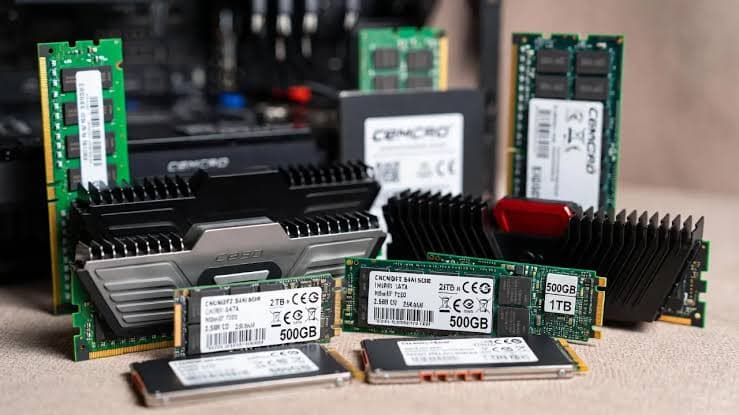
The fundamental driver behind this decision is the escalating expenditure related to supply chain components, particularly high-performance memory chips. These memory components are a critical requirement for the operation of Nvidia's powerful GPUs and integrated server systems. As demand for AI-capable infrastructure remains intense, the cost to secure the specialized, high-bandwidth memory required for these systems has surged. By shifting these increased procurement costs onto their customers, Nvidia appears to be attempting to protect its profit margins amidst a volatile component market that is increasingly straining the cost structure of high-end hardware manufacturing.
Timing and Market Implementation
The proposed price adjustments are expected to impact systems currently slated for shipment in the 2027 calendar year. This advance notice provides major customers with a window of time to account for the increased capital expenditure in their future IT budgets, although it also signals that the current favorable pricing environment for these systems is coming to a close. By focusing the increases on future shipments, the company is likely aiming to minimize disruption to existing contracts while establishing a higher baseline for the upcoming deployment cycles of its newest, most resource-intensive server architectures.
⚖ The Balanced View
Concerns & criticism
For major enterprise customers and cloud service providers, a double-digit price increase in hardware costs could lead to tighter IT budgets, potentially slowing the pace of infrastructure deployment for new AI models and services.
→What's next
Industry analysts will be monitoring the upcoming quarterly earnings calls for official commentary on margin pressure and pricing strategies. It remains to be seen whether these price hikes will affect a broader range of products beyond the high-end server systems mentioned.