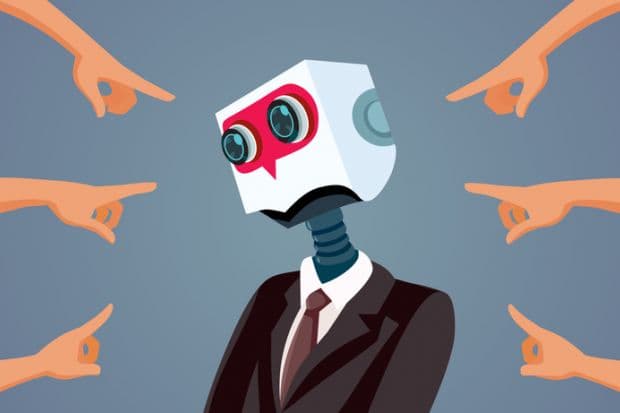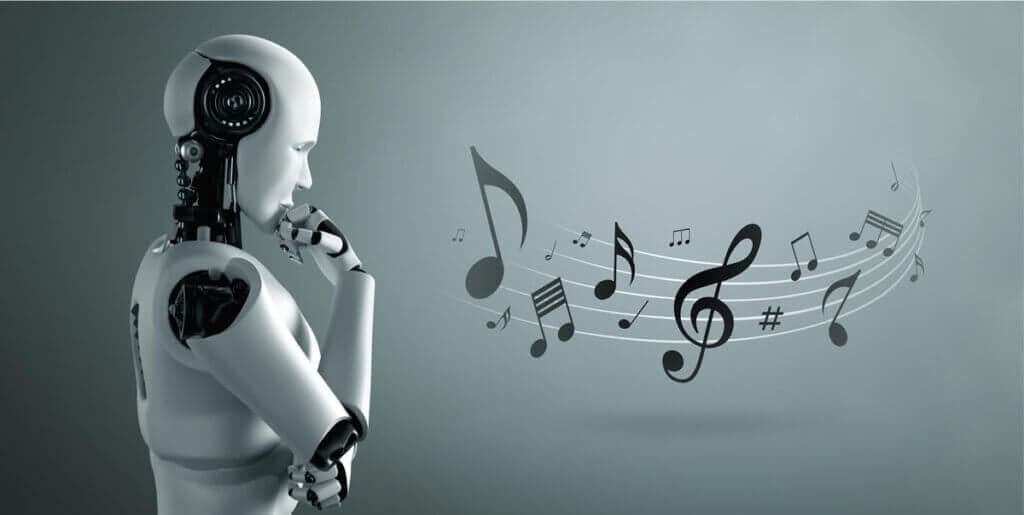

A group of over 80 performers and actors has petitioned the UK government to introduce legislation that grants individuals legal ownership of their voices. They argue this is necessary to curb the unauthorized use of AI-generated audio clones that threaten their livelihoods and personal identity.
The Call for Legislative Action
A high-profile group of UK actors, including Matt Lucas, Hugh Bonneville, and Nicola Coughlan, has officially petitioned the government to intervene in the rapidly evolving sector of artificial intelligence. The performers are demanding that Prime Minister Andy Burnham spearhead new legislation that explicitly grants every citizen the legal right to own their own voice. This initiative arises from deep-seated fears among professional artists that their vocal identities are being exploited by unauthorized AI software. By establishing a firm legal framework, the signatories hope to ensure that individuals maintain control over their unique sonic signatures in an era where synthetic replicas can be generated with ease.
The Mechanics of Digital Theft
The technology underpinning these concerns relies on training sophisticated AI models using audio recordings of actual human beings. While high-fidelity replicas traditionally required lengthy periods of data collection and processing, the technology has advanced significantly, allowing convincing versions to be produced from just a few seconds of source material. Alice Sockett, an audiobook narrator and campaign co-founder, described this trend as an existential threat to her profession. She highlighted that because professional voices are frequently accessible in the public domain, they are currently left vulnerable to exploitation. The campaign warns that incidences of unauthorized voice theft are becoming more frequent, putting artists' livelihoods at risk as the barrier to entry for digital mimicry continues to lower.
Government and Legal Response
The UK government has acknowledged the complexity of the situation, with a spokesperson noting that while digital replication can foster creative innovation, it carries inherent potential for harm. In response to the growing pressure from the creative sector, officials have announced plans to launch a formal consultation process to explore how best to protect human creators without stifling legitimate technological progress. This follows warnings from legal experts, such as Dr. Mathilde Pavis, who argued in June that existing UK laws have become insufficient to address the challenges posed by modern AI. The current legal status quo has been described by some analysts as unfit for purpose, as it fails to provide robust protection for an individual's face, voice, or overall identity.
Divergent Perspectives on AI Utility
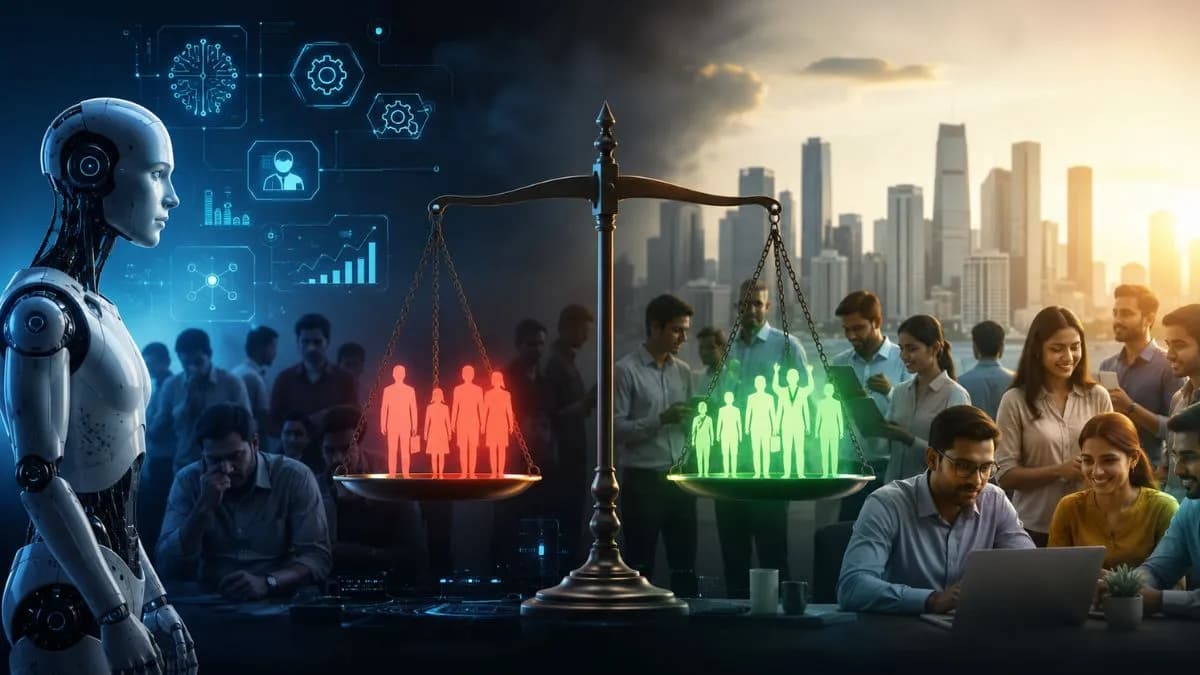
While the actors’ petition focuses on the risks of exploitation, other groups advocate for the potential benefits of voice-cloning technology. For individuals who have lost their ability to speak due to medical conditions, such as motor neurone disease, AI-generated replicas offer a transformative way to reconnect with loved ones and regain a sense of self. Furthermore, some users have utilized this technology to create digital or holographic representations of deceased family members for ceremonial purposes, such as funerals. These cases highlight a significant tension between the protection of professional identity and the genuine, often deeply personal, uses of AI that can provide solace or restored functionality to those experiencing health crises.
⚖ The Balanced View
Supporting view
Performers argue that their voices are unique, personal assets—imbued with individual history and emotion—that should not be subject to unauthorized commercial or creative replication by machines.
Concerns & criticism
Individuals facing speech loss due to illnesses like motor neurone disease, or families using technology to commemorate deceased loved ones, argue that voice-cloning software offers essential human connection and therapeutic benefits.
→What's next
The UK government is set to initiate a consultation process to address the harms of AI voice cloning while attempting to balance these concerns with the needs of the creative industry. The outcome of these discussions will likely determine whether new, specific legal rights regarding personal voice ownership are integrated into the country's existing intellectual property laws.