
Meta is updating its smart glasses to prevent users from bypassing recording indicator lights, while simultaneously piloting robotics to automate maintenance tasks within its data centers.
Strengthening Smart Glasses Privacy
Meta is responding to growing criticism regarding its AI-powered smart glasses by closing a significant privacy loophole. Previously, while the devices were programmed to block recording if the front-facing LED indicator was covered before starting, users discovered they could circumvent this by covering the light after a recording session had already begun. Alex Himel, the company’s vice president of augmented reality, announced via Threads that an upcoming update will ensure the camera automatically ceases operation if the light is obstructed at any point during use. This modification follows a prior update that disabled the camera when users attempted to physically tamper with the signaling LED. Meta maintains that these incidents involve only a small minority of users, but the move is clearly intended to mitigate the reputation of the product as 'pervert glasses' amid public backlash and reports of the device being used for non-consensual recordings and social media pranks.
Regulatory Scrutiny in Europe
The controversy surrounding Meta's smart glasses has reached the international stage, drawing heavy scrutiny from European data regulators. In Germany, a nonprofit organization has filed a criminal complaint alleging that the devices violate strict privacy laws, prompting authorities to consider a total ban on the technology. The concerns center on the potential for the glasses to facilitate mass surveillance and the fear that Meta failed to adequately demonstrate that the public would recognize the meaning of the capture LED. The European Data Protection Board is currently conducting an investigation into the matter and is expected to issue a comprehensive report later this summer. This report will likely dictate the legal path forward for the glasses within the European Union, as officials weigh the benefits of the wearable technology against the significant risks posed to the privacy rights of bystanders who may be recorded without their explicit knowledge or consent.
Experimental Robotics in Data Centers
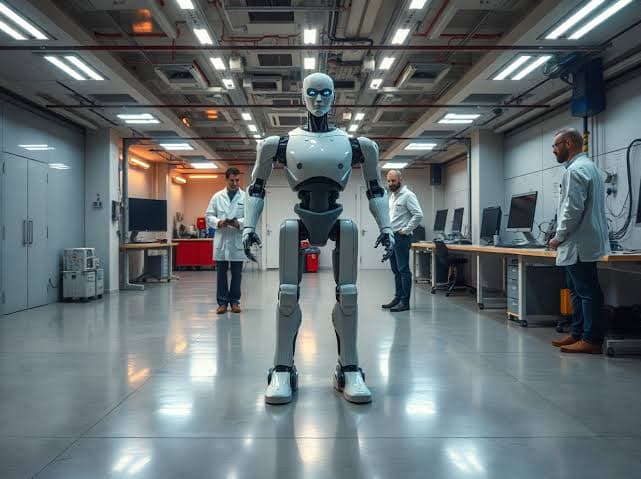
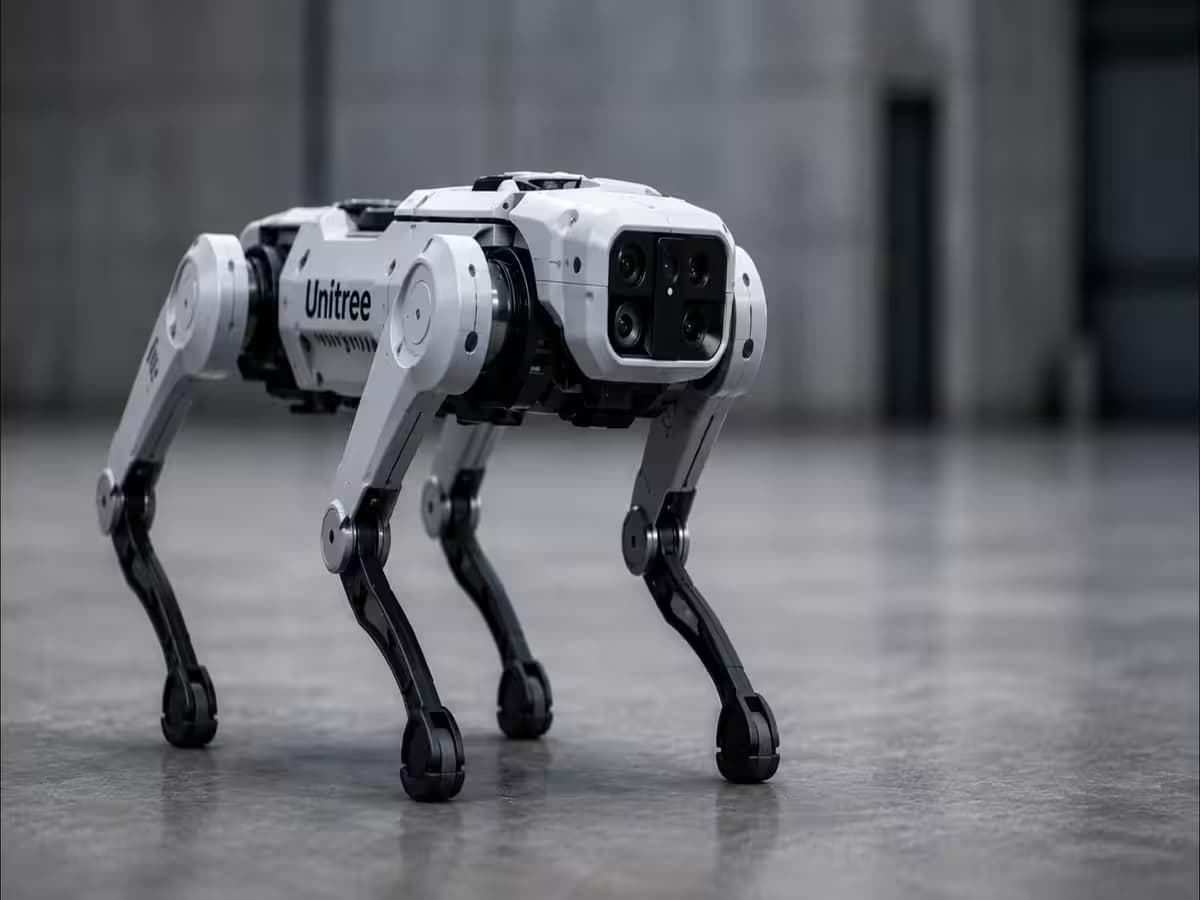
Beyond its consumer products, Meta is quietly experimenting with robotics to enhance operations within its massive data center network. According to internal sources, the company is testing various robots from vendors including Watney Robotics, Kinova, and ABB to handle repetitive labor such as power-cycling servers, swapping networking cables, and conducting inventory inspections. While these machines have shown promise in specific applications, their integration remains in a pilot phase. Some units, such as an inventory-tracking robot, currently face limitations in navigating complex environments or distinguishing between specific color indicators, often necessitating human intervention. Despite these technical hurdles, Meta views robotics as a crucial component of its future infrastructure. At a previous conference, Eric Xu, Meta’s senior manager for robotics, articulated a long-term vision where robots perform preventative maintenance and monitor facilities, potentially allowing data centers to operate in environments that are difficult for humans to access.
Workforce Impacts and Industry Strategy
The introduction of robotics has prompted significant anxiety among Meta’s data center staff, particularly at the company's largest campus in Altoona, Iowa. Workers have expressed fears regarding job security, noting that automation could eventually displace human technicians who perform routine maintenance. Meta official Francis Brennan countered these concerns by highlighting the company's commitment to job creation and training programs designed to address a national shortage of skilled trade workers in electrical and mechanical fields. Nevertheless, internal reports suggest a shift in Meta's staffing strategy, with some employees believing the company is prioritizing 'smart hands'—workers trained to follow AI-generated instructions—over creative, independent troubleshooters. While the company maintains that human oversight remains essential for complex tasks, the trend toward increased automation reflects a broader industry desire to drive down labor costs and improve consistency as demand for AI-driven infrastructure continues to escalate.
⚖ The Balanced View
Supporting view
Proponents argue that robotics will handle repetitive, dangerous, or physically demanding tasks, allowing human employees to focus on more complex, high-level troubleshooting and system management.
Concerns & criticism
Data center workers report morale issues and concerns about long-term job displacement, while privacy advocates and EU regulators worry that smart glasses enable invasive, non-consensual recording.
→What's next
Meta is expected to roll out its smart glasses software update shortly to address the recording loophole. Meanwhile, the company will likely continue its pilot programs with various robotics vendors to evaluate the technical and economic viability of automated data center maintenance.