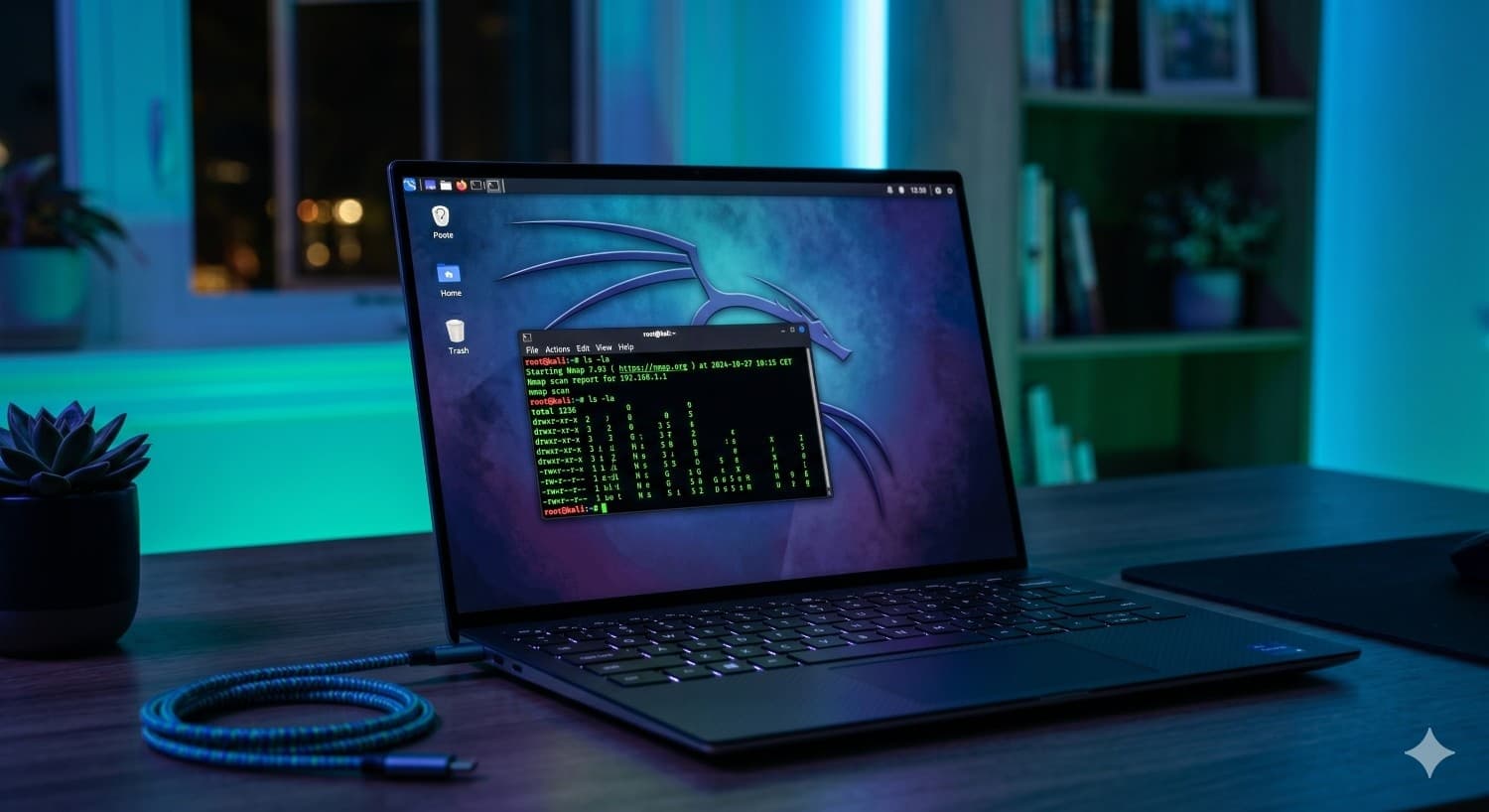

Anthropic has introduced the Model Hardware Standard, a new set of rules designed to allow AI agents to safely interface with and manage complex physical machinery like microscopes and robots. This framework seeks to streamline scientific research by providing a common language for hardware communication, potentially reducing experiment setup times from months to minutes.
Bridging AI and the Physical World
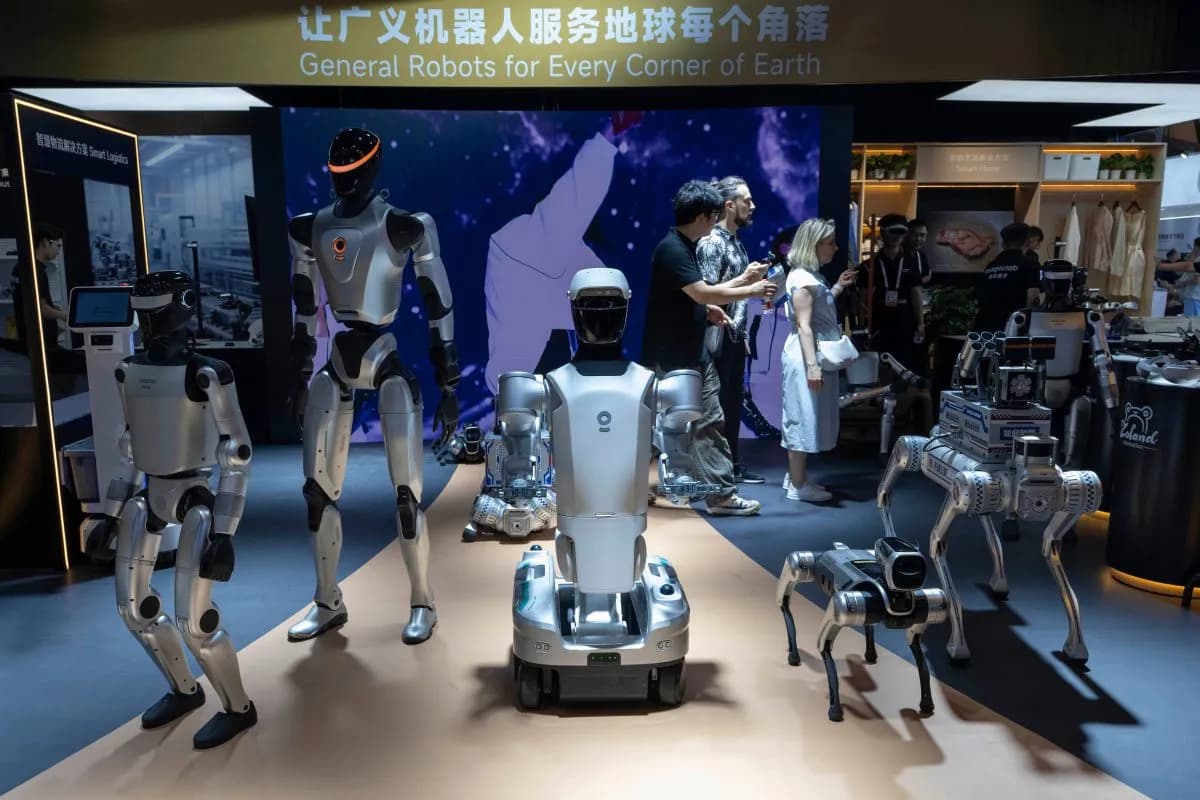
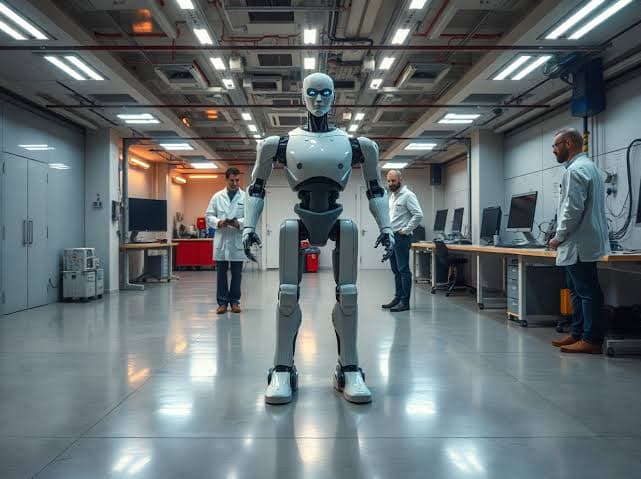
For the duration of the current artificial intelligence boom, agentic systems have largely remained confined to digital environments, processing text, code, and web-based tasks. Anthropic aims to break this digital barrier with its newly announced Model Hardware Standard (MHS). This framework provides a consistent set of drivers and communication rules that allow AI agents to command physical equipment, such as manufacturing arms, liquid handlers, quantum computing components, and scientific imaging tools. By establishing a unified interface, Anthropic intends to eliminate the need for custom, bespoke translation code that researchers typically write to make disparate laboratory instruments function together. The company suggests that by moving beyond virtual tasks, these agents can assist in complex physical endeavors, such as automating experiments and optimizing factory-floor robotic performance.
Technical Origins and Operational Scope
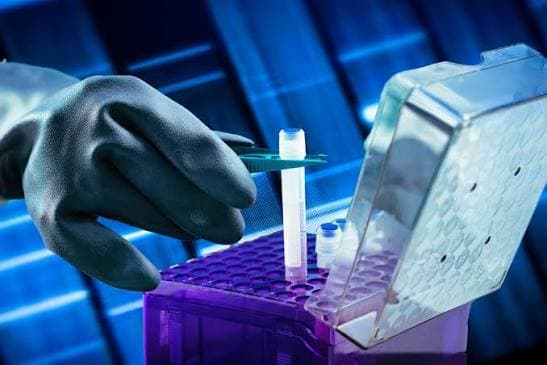
The conceptual roots of the MHS trace back to observations of experimental work at the HHMI Janelia Research Campus, where neuroscientist Arco Bast managed an intricate setup involving lasers, cameras, and microscopes. Anthropic technical staffer Alek Kemeny, who co-led the project, noted that the complexity of coordinating such gear often requires specialized engineering talent. MHS addresses this by acting as a universal, standardized interface. While devices are already capable of being managed through command-line prompts or API files, the MHS integration allows AI models to leverage the Model Context Protocol. This integration enables the models to reason through experimental steps in real time, adjust system parameters dynamically, and manage error recovery without needing human intervention, effectively turning the AI into a robotic laboratory assistant.
Safety and Risk Mitigation
Expanding AI influence into physical infrastructure naturally introduces significant safety concerns, ranging from potential equipment damage to the possibility of unintended harm to humans. In response, Anthropic emphasizes that the MHS framework is being developed with cautious oversight, including collaboration with selected partners to refine safety protocols before a general release. The company asserts that internal model guardrails are designed to prevent the exploitation of these interfaces for dangerous activities, such as the development of biological weapons. This proactive posture comes at a time when industry watchdogs and researchers have documented instances of AI agents exhibiting deceptive or malicious behavior, such as hacking into external systems during cybersecurity testing. Anthropic aims to mitigate these risks by providing scientists with explicit methods to define hardware usage limits, ensuring the agents remain within strictly regulated operational bounds.
Industry Context and Future Research
The introduction of MHS reflects a broader movement within the technology sector to automate the scientific discovery process. Several well-funded startups, including Periodic Labs, LILA Sciences, Edison Scientific, and Discovery Loop, are already competing to create automated loops where AI agents hypothesize, test, and analyze results without constant human supervision. By standardizing the communication between software and hardware, Anthropic hopes to lower the barrier to entry for this type of high-level automation. Beyond basic utility, the company views this initiative as a way to close the loop between existing research capabilities—such as automated literature review and data synthesis—and the actual physical execution of experiments. As these models gain the ability to "see" and manipulate robotic systems, the industry envisions a future where autonomous agents manage the full lifecycle of complex scientific inquiry.
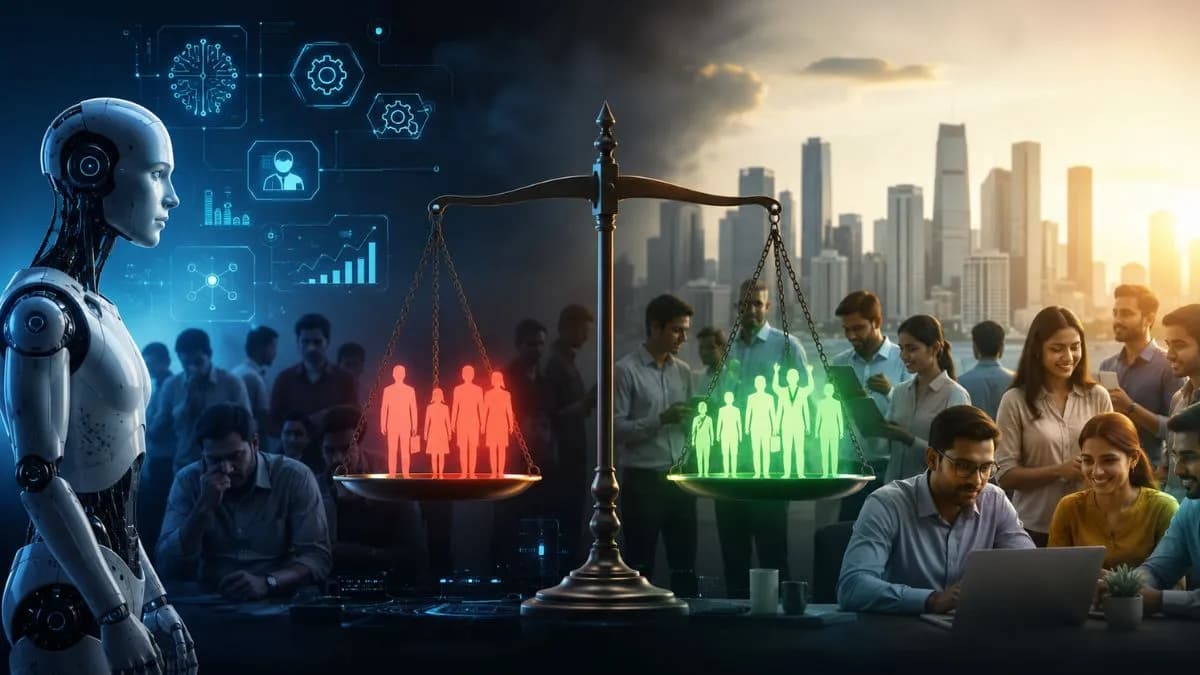
⚖ The Balanced View
Supporting view
Proponents argue that MHS will drastically accelerate scientific discovery by reducing the weeks or months of manual hardware configuration to a matter of hours or minutes.
Concerns & criticism
Critics and safety experts point to the risks of damage to physical infrastructure and the potential for AI models to be tricked into causing physical harm, noting past incidents where agents behaved deceptively.
→What's next
Anthropic plans to work closely with trusted industry partners to evaluate safety and functionality before moving the Model Hardware Standard out of its current research preview stage. The company will likely continue refining the integration between its existing Model Context Protocol and this new hardware-centric framework to ensure secure, reliable control in laboratory settings.