
Venture firm Andreessen Horowitz has introduced a $1.1 billion 'Machine Age' fund to support physical AI infrastructure, while cloud provider Lambda simultaneously secured $1 billion in debt financing to expand its GPU capacity. These moves reflect a broader industry trend of aggressive capital investment in the hardware required to sustain long-term AI development.
Andreessen Horowitz Pivots to Hardware
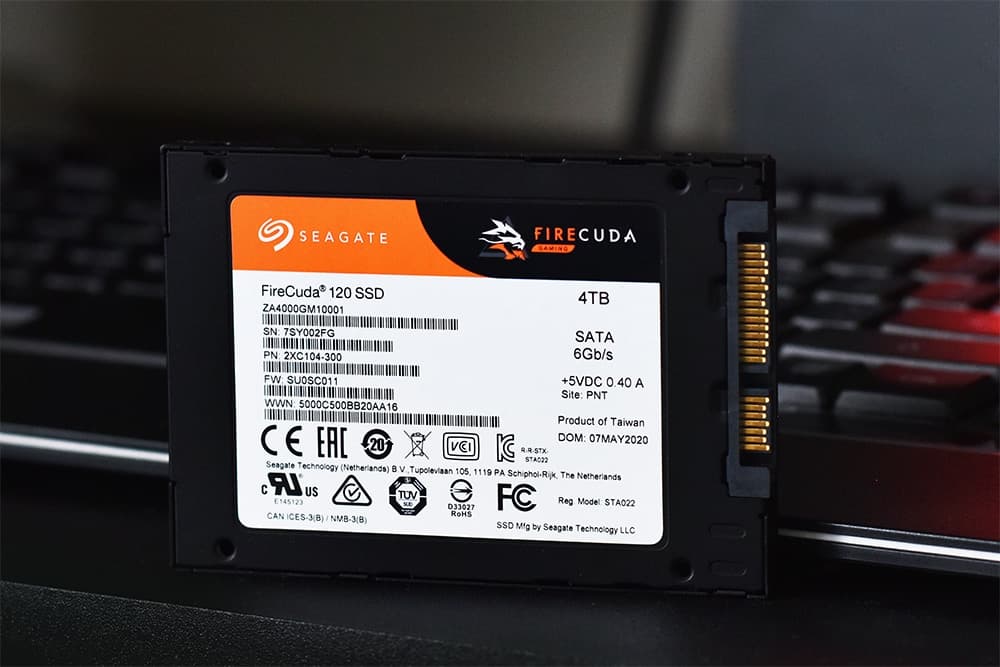
Andreessen Horowitz (a16z) has officially entered the hardware space with the launch of its 'Machine Age' fund, a $1.1 billion vehicle designed to accelerate the physical infrastructure underlying artificial intelligence. Historically known for backing software and scalable digital platforms, the firm is now pivoting to address the supply-side bottlenecks hindering AI progress. The fund’s mandate spans a wide range of capital-intensive sectors, including semiconductor manufacturing, memory technology, and data center real estate. By prioritizing hardware, the firm aims to solve foundational issues in efficiency, bandwidth, and connectivity that currently limit high-performance computing capabilities. The firm characterizes this investment as a 'national and social imperative,' asserting that the physical build-out of these systems is a prerequisite for unlocking the abundance that advanced artificial intelligence promises to provide for global problem-solving.
Lambda Secures Financing for GPU Expansion
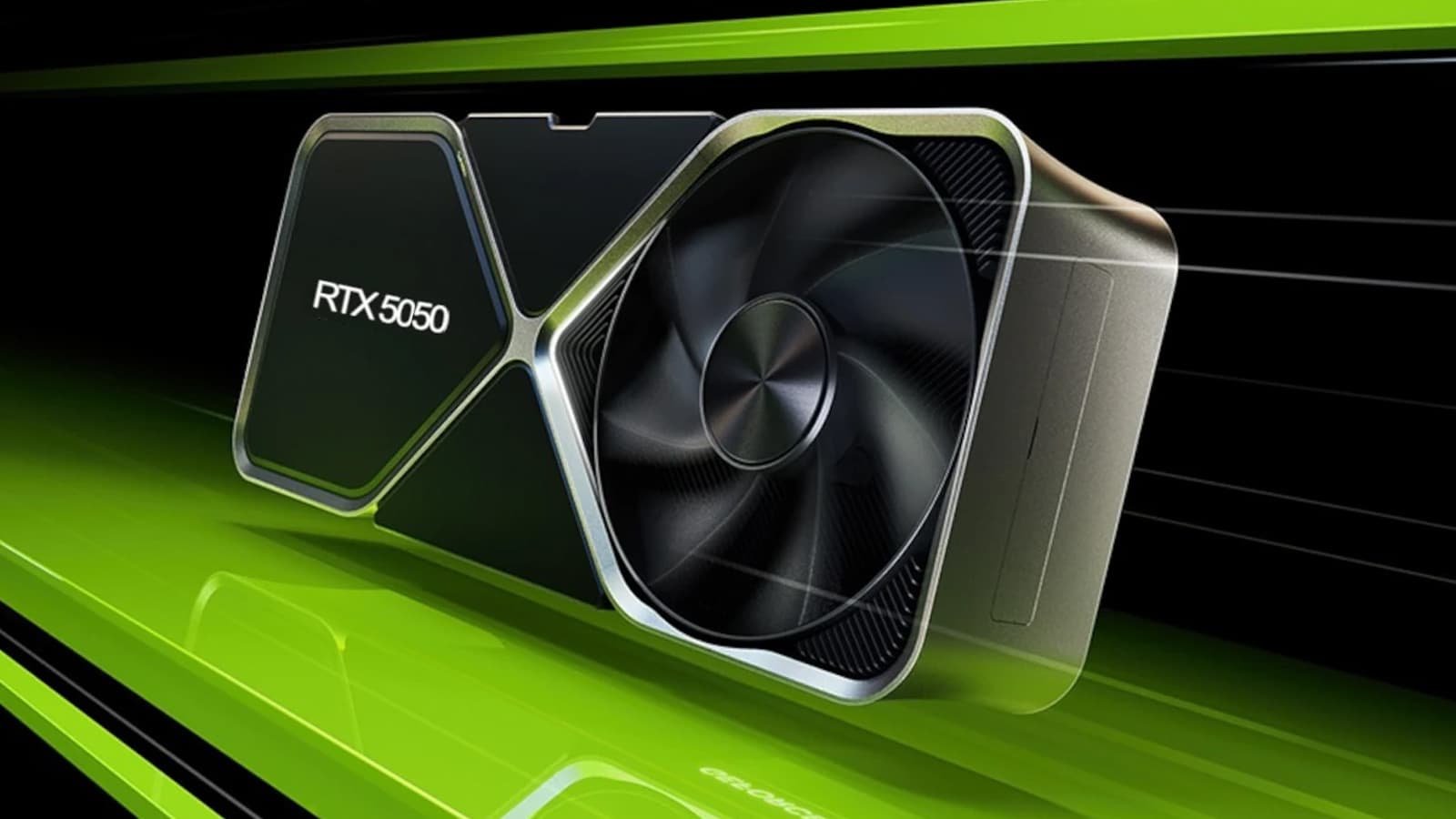
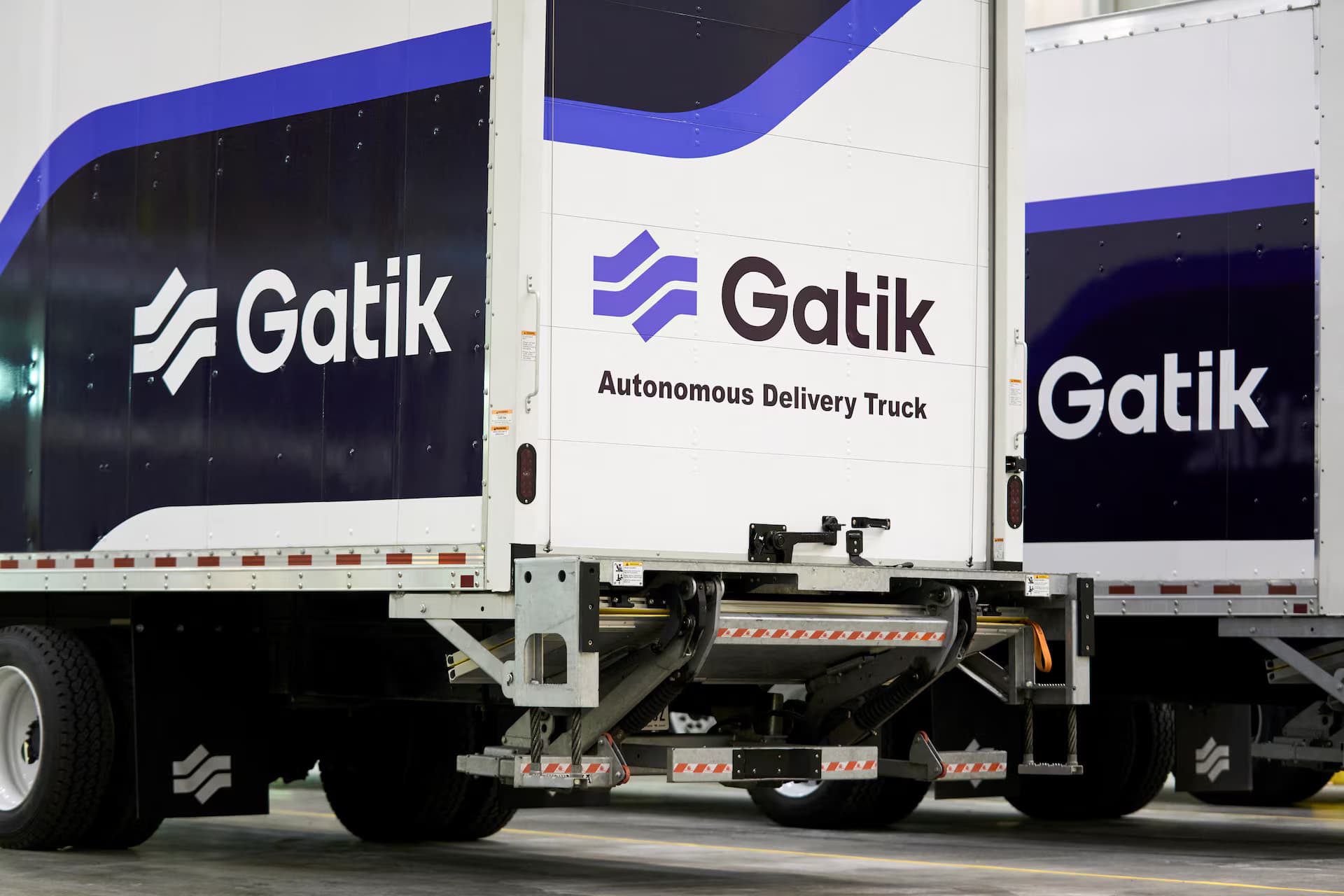
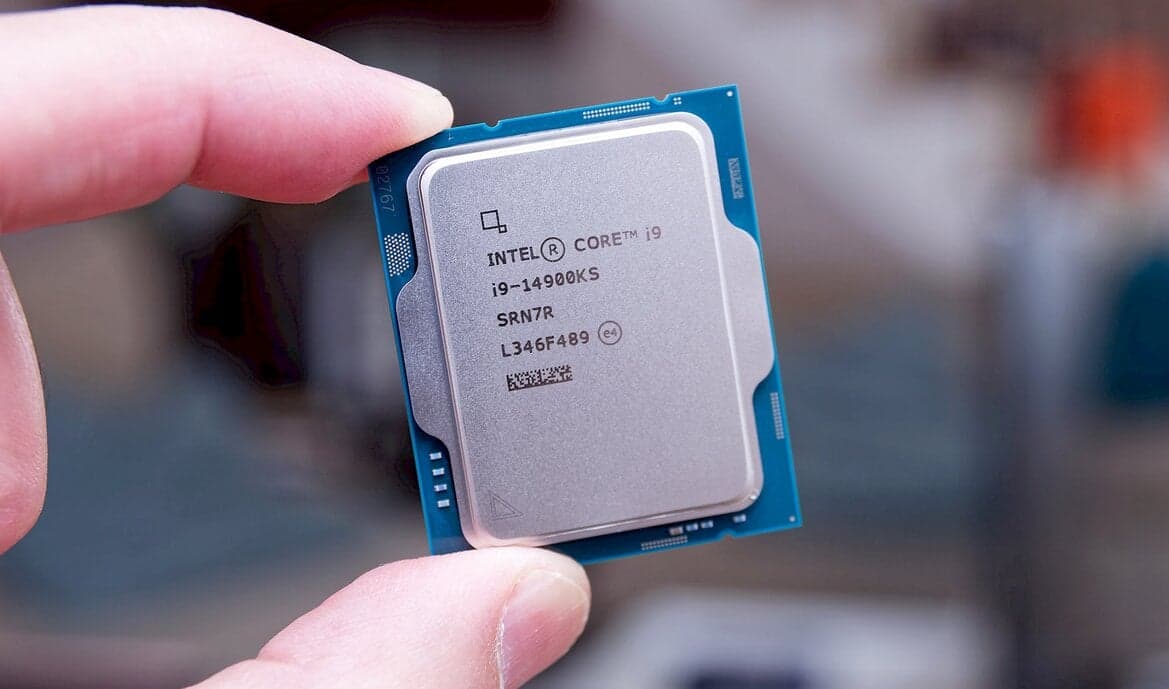
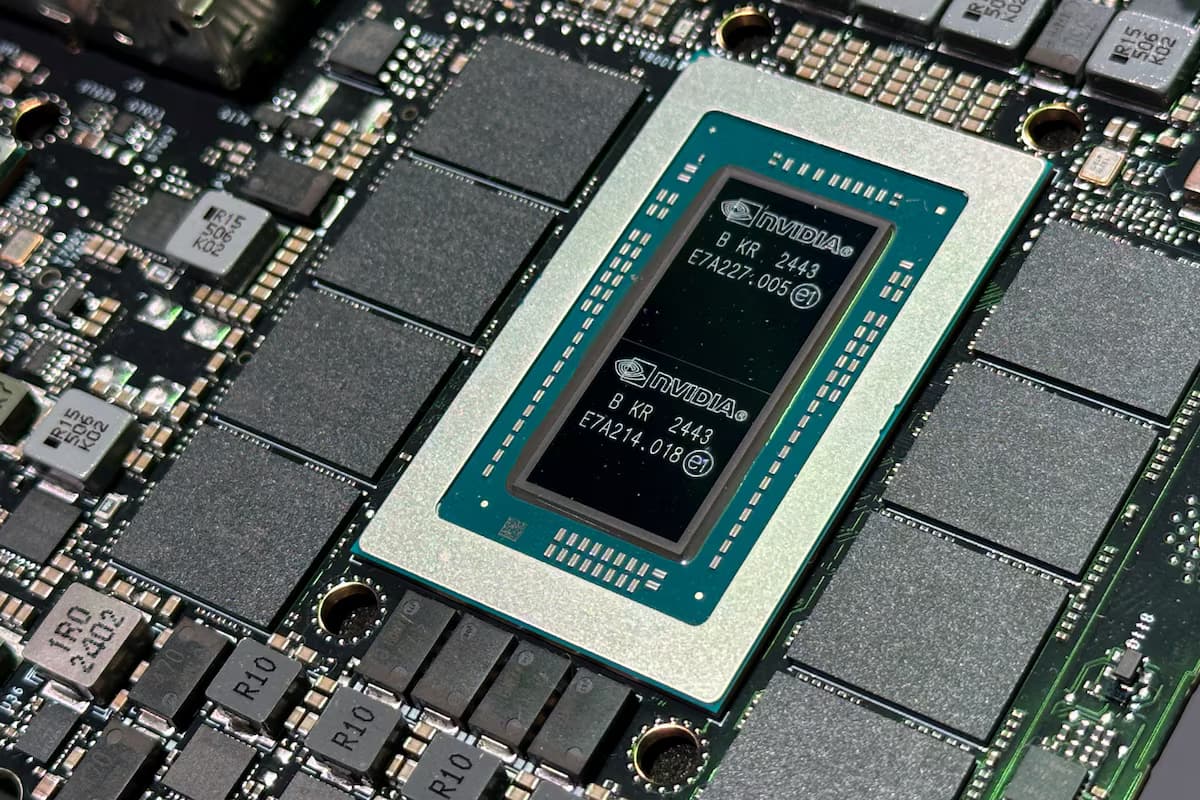
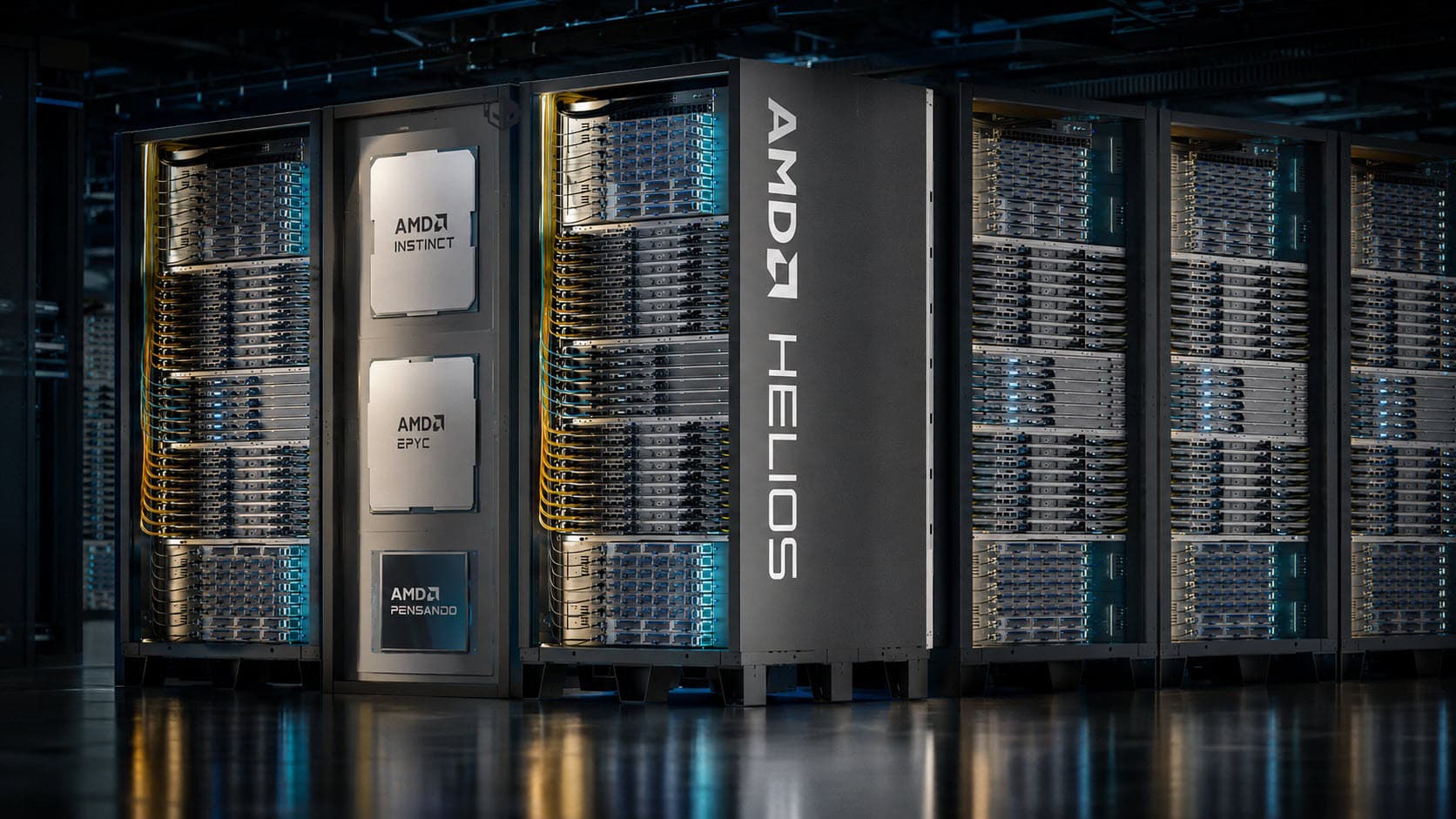
Simultaneous with the broader industry focus on hardware, AI cloud provider Lambda has finalized a $1 billion private debt deal to acquire Nvidia’s advanced computing chips. This financing, which follows a string of similar capital-raising efforts, is specifically intended to scale the company’s ability to lease high-performance GPU infrastructure to major clients like Microsoft. The transaction, reportedly arranged by JP Morgan Chase, underscores the high-stakes bet that Lambda is making: that the rapid deployment of new hardware will generate sufficient revenue to cover the short-dated debt obligations. Lambda’s aggressive strategy is marked by a series of recent financial maneuvers, including a $1 billion secured credit facility in May and a separate $926 million loan aimed specifically at acquiring Nvidia’s GB300 chips. This ongoing expansion suggests that the company is positioning itself as a central node in the AI compute supply chain, balancing substantial debt with the high demand for GPU-as-a-service offerings.
The Rise of Debt in the AI Infrastructure Boom
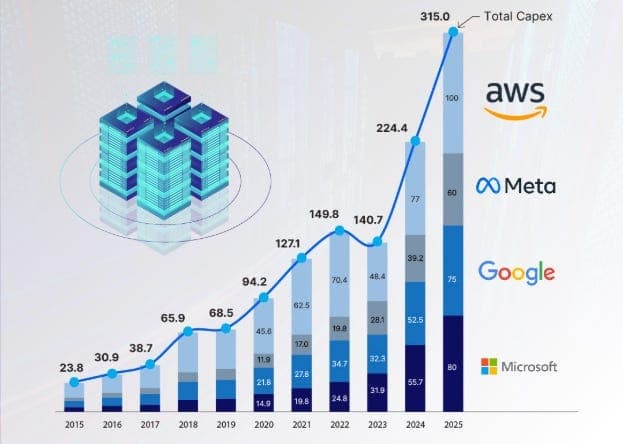
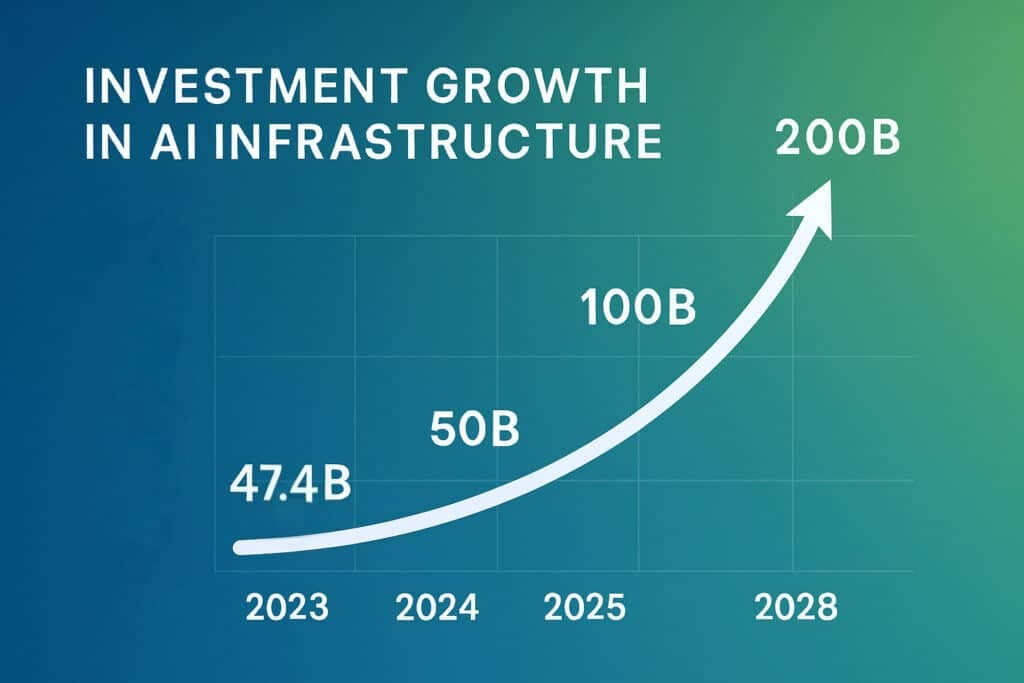
Lambda’s reliance on debt financing is representative of a larger shift in how the AI sector is funding its massive physical requirements. As the cost of building state-of-the-art AI infrastructure skyrockets, companies and banks are increasingly turning to debt markets rather than traditional equity rounds. Bloomberg reports that over $400 billion in AI-related debt has been raised globally throughout 2026, highlighting the scale of capital needed to keep pace with innovation. For firms like Lambda, which operates at the intersection of capital-intensive chip ownership and software-as-a-service revenue, debt acts as a strategic lever for rapid scaling. By securing specific loans for GPU deployments—often backed by customer contracts—providers can expand their capacity in direct response to the surge in demand from enterprise and hyperscale users, provided they maintain the operational agility to integrate that hardware quickly and profitably.
Technical Necessities Driving Investment
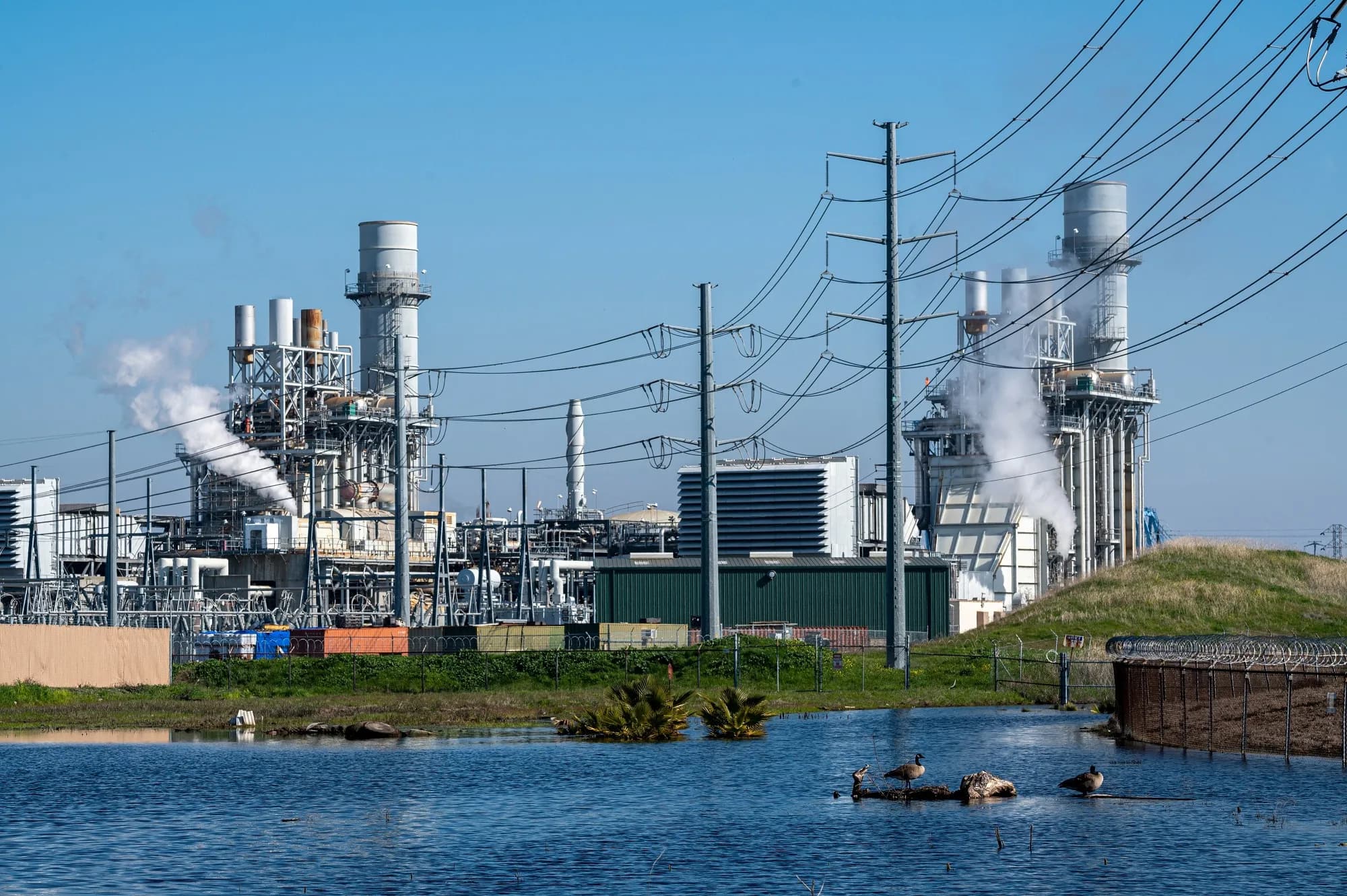
The rationale behind these massive capital influxes into hardware is driven by a shared consensus among investors and tech leaders that software capabilities have outpaced the physical capacity of current systems. Andreessen Horowitz explicitly outlined the technical requirements for the next generation of AI, noting the urgent need for faster memory across all hierarchy levels and more scalable interconnects between compute nodes. Beyond the processors themselves, the firm highlighted the importance of peripheral infrastructure, including advanced cooling solutions, specialized materials, and upgraded electrical grids. Effectively, the 'Machine Age' initiative and the recent wave of chip-buying debt signify that the next phase of the AI revolution will be defined by mechanical engineering and industrial logistics. The ability to manage power-efficient edge devices and complex data center environments is now viewed as just as critical to the AI ecosystem as the development of the algorithms that drive them.
⚖ The Balanced View
Supporting view
Proponents suggest that the physical buildout of hardware infrastructure is a critical national and social imperative necessary to sustain the AI industry and solve complex global problems.
Concerns & criticism
The heavy reliance on debt to fund hardware acquisition introduces significant financial risk, particularly if firms are unable to achieve rapid deployment and revenue generation to cover their obligations.
→What's next
Industry analysts will be watching to see how quickly companies like Lambda can deploy their latest chip acquisitions into usable cloud instances. Additionally, market observers will monitor whether other venture firms follow Andreessen Horowitz in shifting focus from pure software plays toward high-cap industrial AI infrastructure.