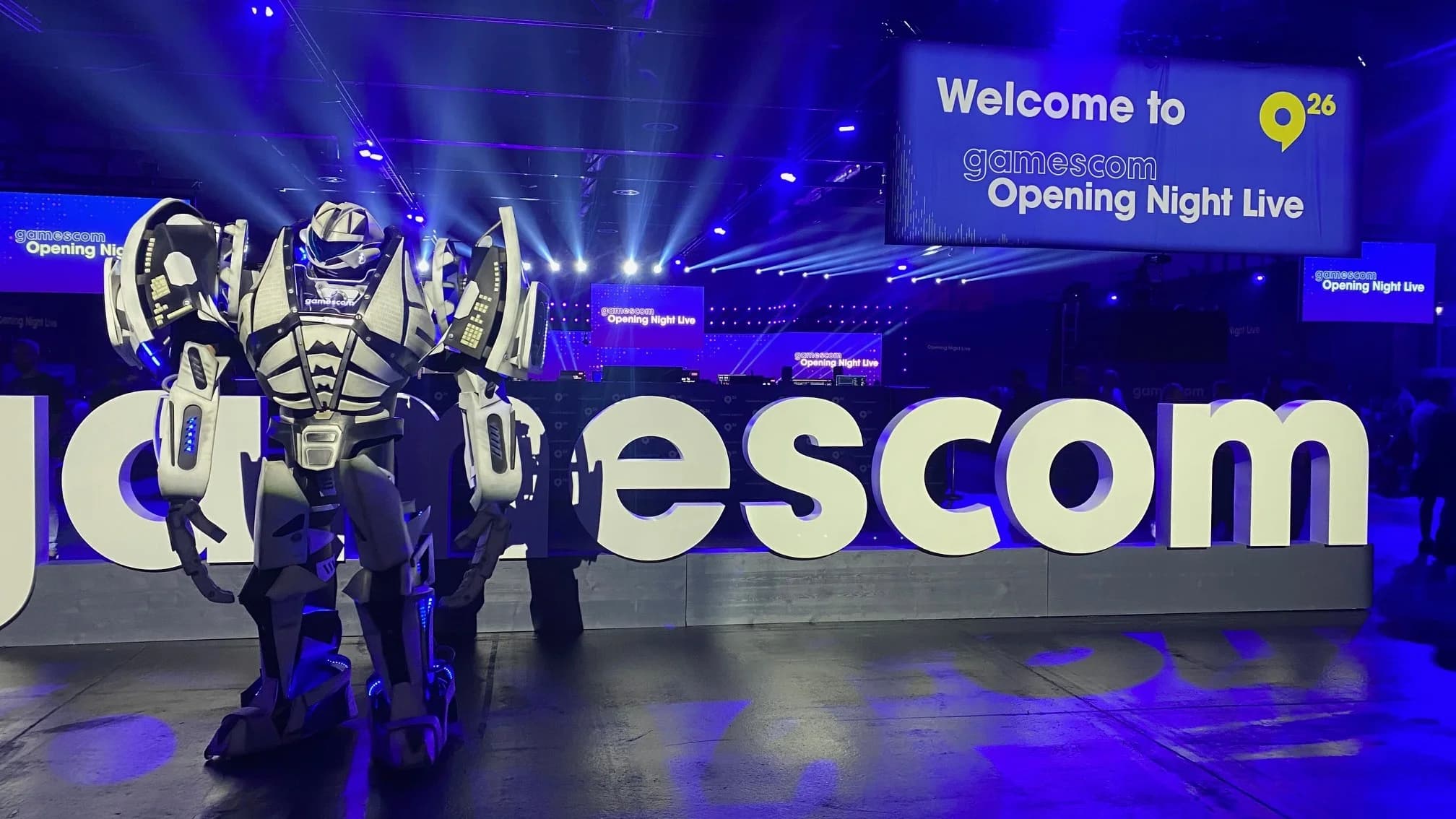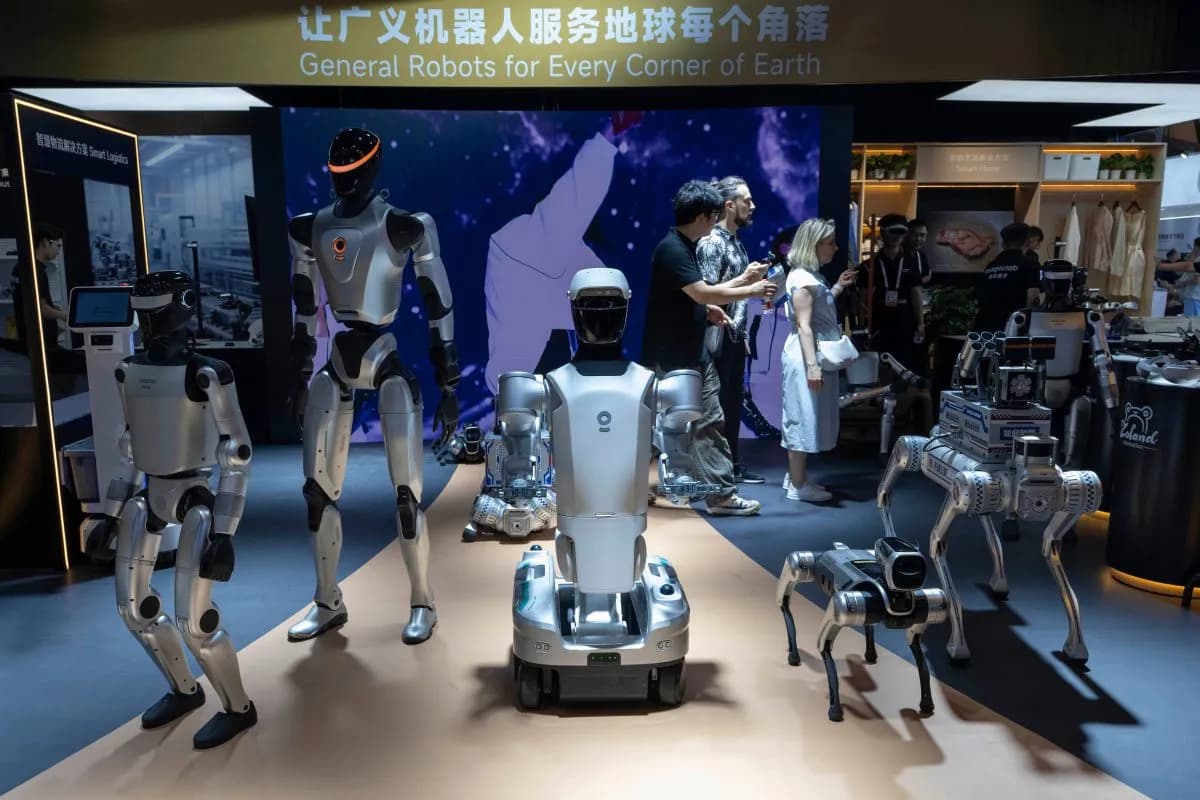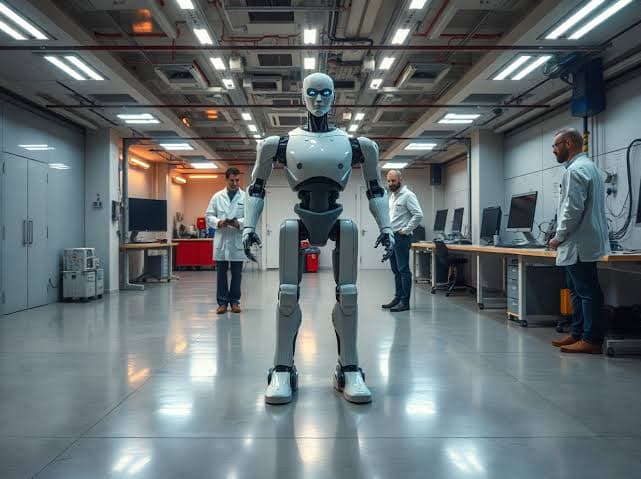

The second World Humanoid Robot Games recently concluded in Beijing, featuring a mix of impressive athletic record-breaking and frequent mechanical failures. The event highlighted China's rapid advancements in robotics and its push to integrate machines into real-world tasks.
The spectacle of robotic competition
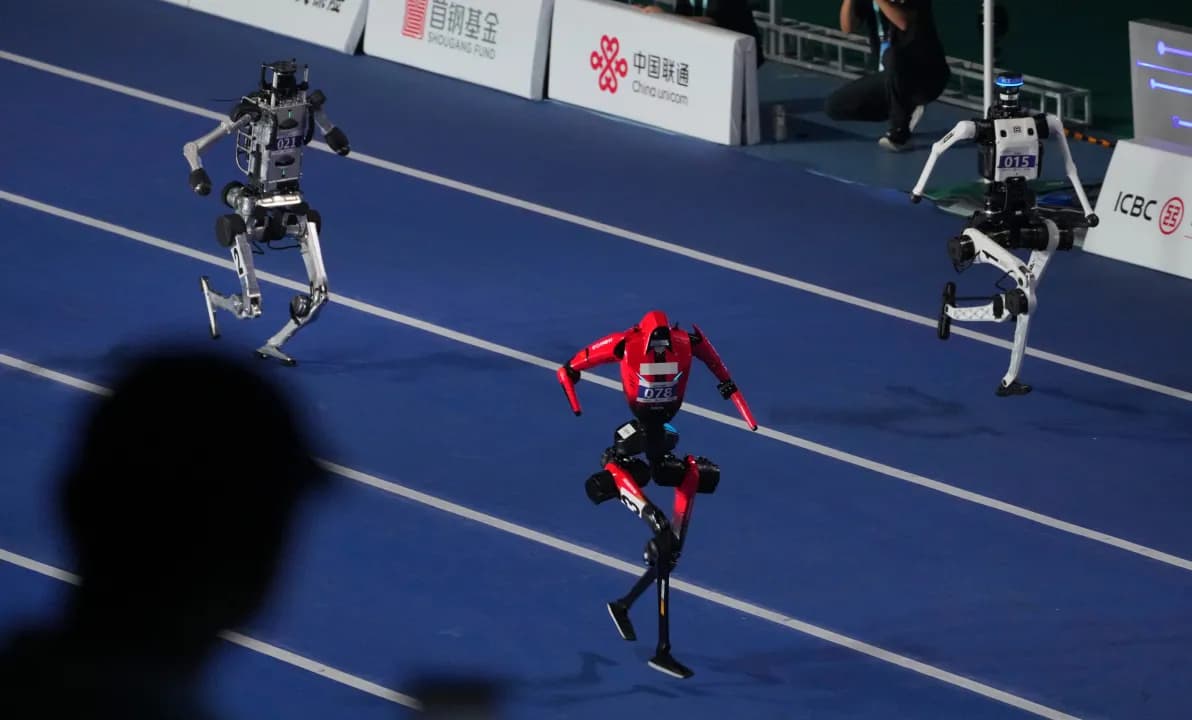
The second World Humanoid Robot Games in Beijing provided a vivid display of both the potential and the volatility of modern robotics. Spanning five days at the National Speed Skating Oval—a former Olympic venue—the event was a significant expansion from its inaugural year. Participants ranged from machines attempting standard sports like boxing and football to specialized tasks such as nail hammering and clothes folding. The atmosphere was punctuated by frequent mechanical drama; observers witnessed robots catching fire, losing limbs mid-sprint, or collapsing during weightlifting efforts. While such failures would typically halt a conventional sporting event, they were considered part of the testing process in this unique environment, underscoring the experimental nature of the current humanoid robotics landscape.
Rapid technical progress and record-breaking
Despite the high rate of failure, the performance metrics displayed at the games indicate a massive leap in robotic capability over the last decade. One humanoid entrant completed a 100-meter dash in 9.39 seconds, effectively surpassing the 2009 world record set by Usain Bolt. Another machine achieved a standing high jump of 2.88 meters, which stands nearly half a meter above the long-standing human record from 1993. These feats, performed in controlled settings, demonstrate how far robotics have evolved from the machines of ten years ago that struggled to remain vertical. While the games featured a mix of autonomous events and teleoperated tasks—the latter of which carried a scoring penalty—the hardware improvements suggest a clear maturation in how these bots move and interact with their surroundings.
China’s domestic robotics dominance
The games functioned as a significant show of force for China's robotics industry, which is currently making embodied AI a strategic national priority. Out of 666 total teams, 641 were Chinese, representing a diverse network of 157 companies and 200 universities. The medal count was heavily skewed toward domestic players, with AgiBot and Tien Kung emerging as the most successful participants. This dominance highlights the rapid growth of the nation's robotics sector, even amidst industry whispers regarding a potential humanoid bubble and firms that maintain high valuations without viable, market-ready products. While the games were framed as a global stage, the absence of major Western players like Tesla, Figure, and Boston Dynamics meant the event served primarily as an indicator of China's internal momentum rather than a true international showdown.
The geopolitical context of robotics
The disparity between the US and China in robotics is increasingly a point of concern for policymakers. While the US continues to maintain an advantage in high-end chip manufacturing and frontier AI software, it has arguably fallen behind in the practical application and deployment of robotics. Some analysts fear that recent US efforts to ban foreign-made robots could prove counterproductive, as domestic companies remain heavily reliant on Chinese components. Unlike language models, which can be trained on vast swaths of internet data, humanoid robotics require significant amounts of physical-world data—often generated by filming robots or humans performing chores. As China treats these machines as a cornerstone of future industrial infrastructure, the US faces a mounting challenge in catching up, requiring a more concentrated strategic focus on its own hardware supply chains.
⚖ The Balanced View
Supporting view
Supporters note the games provide a crucial bridge for moving robotics out of controlled lab environments and into real-world settings where they can be tested on tasks like firefighting and logistics.
Concerns & criticism
Critics and industry observers point to risks of a 'humanoid bubble,' where many companies thrive on investment while failing to produce commercially viable or functional end-products.
→What's next
Beijing is expected to host a humanoid half-marathon in April 2027, following its government's strong support for the sector. Additionally, China plans to launch its first robot-operated hotel sometime next year as part of its broader integration strategy.