
Strong quarterly earnings from major tech firms have eased investor concerns, demonstrating that AI investments are fueling revenue growth for both hardware suppliers and software companies. The week also saw a major legal settlement for Meta, providing clarity on its path forward amid ongoing AI-focused capital expenditures.
Market Resilience and AI Infrastructure Demand
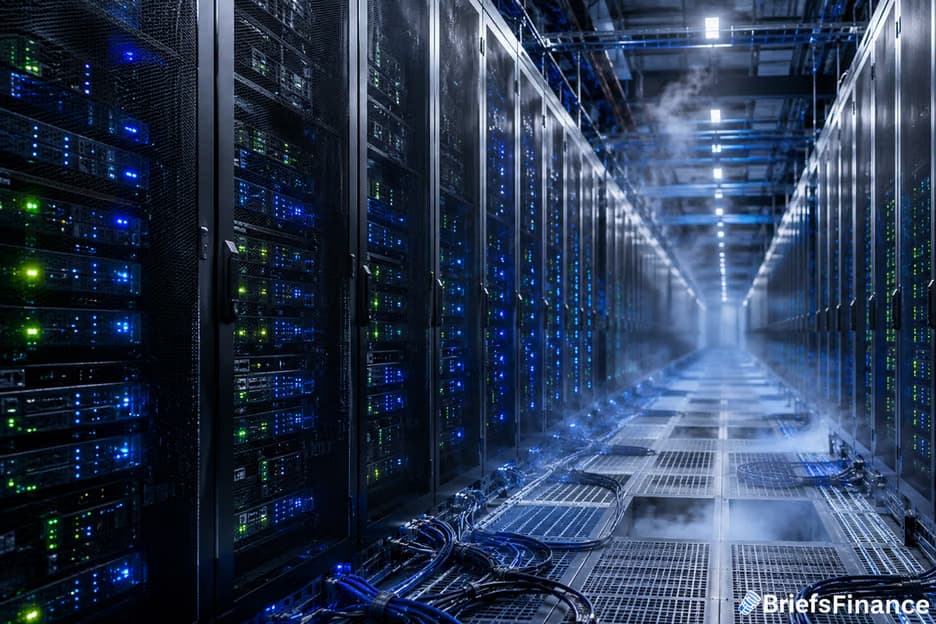
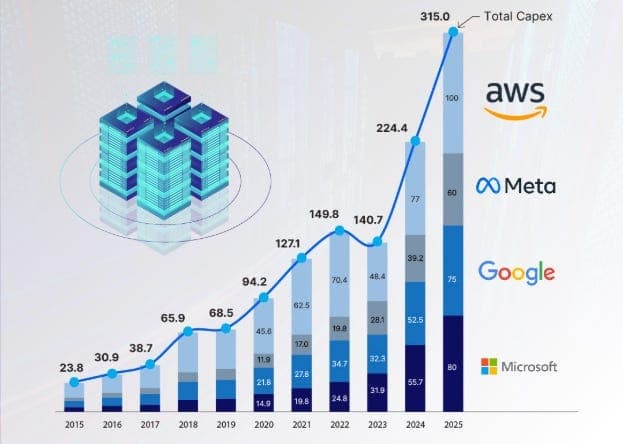
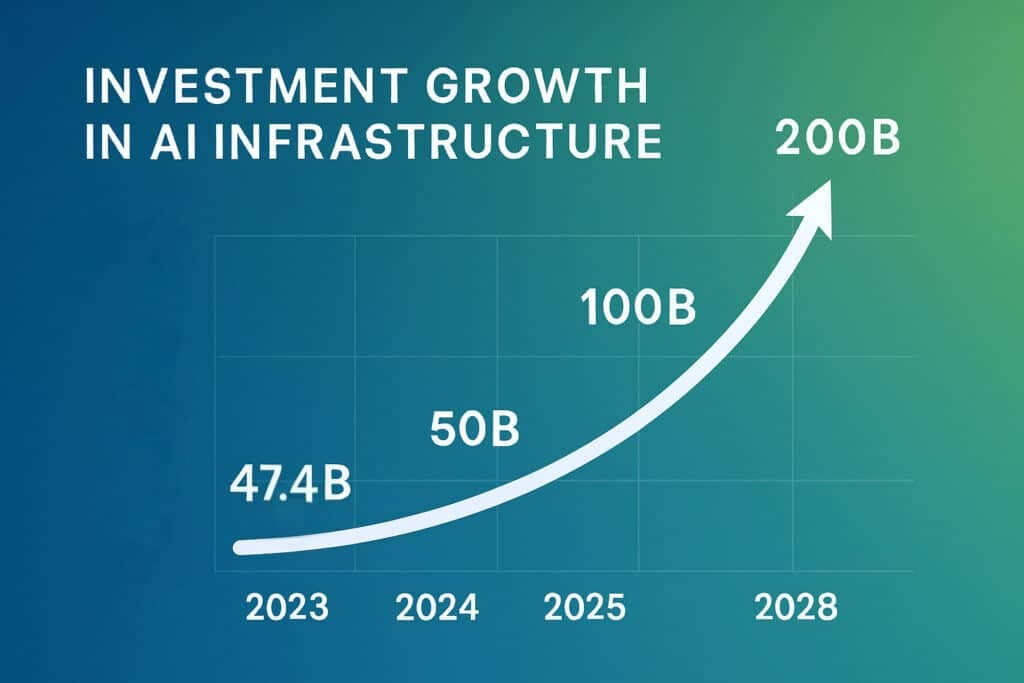
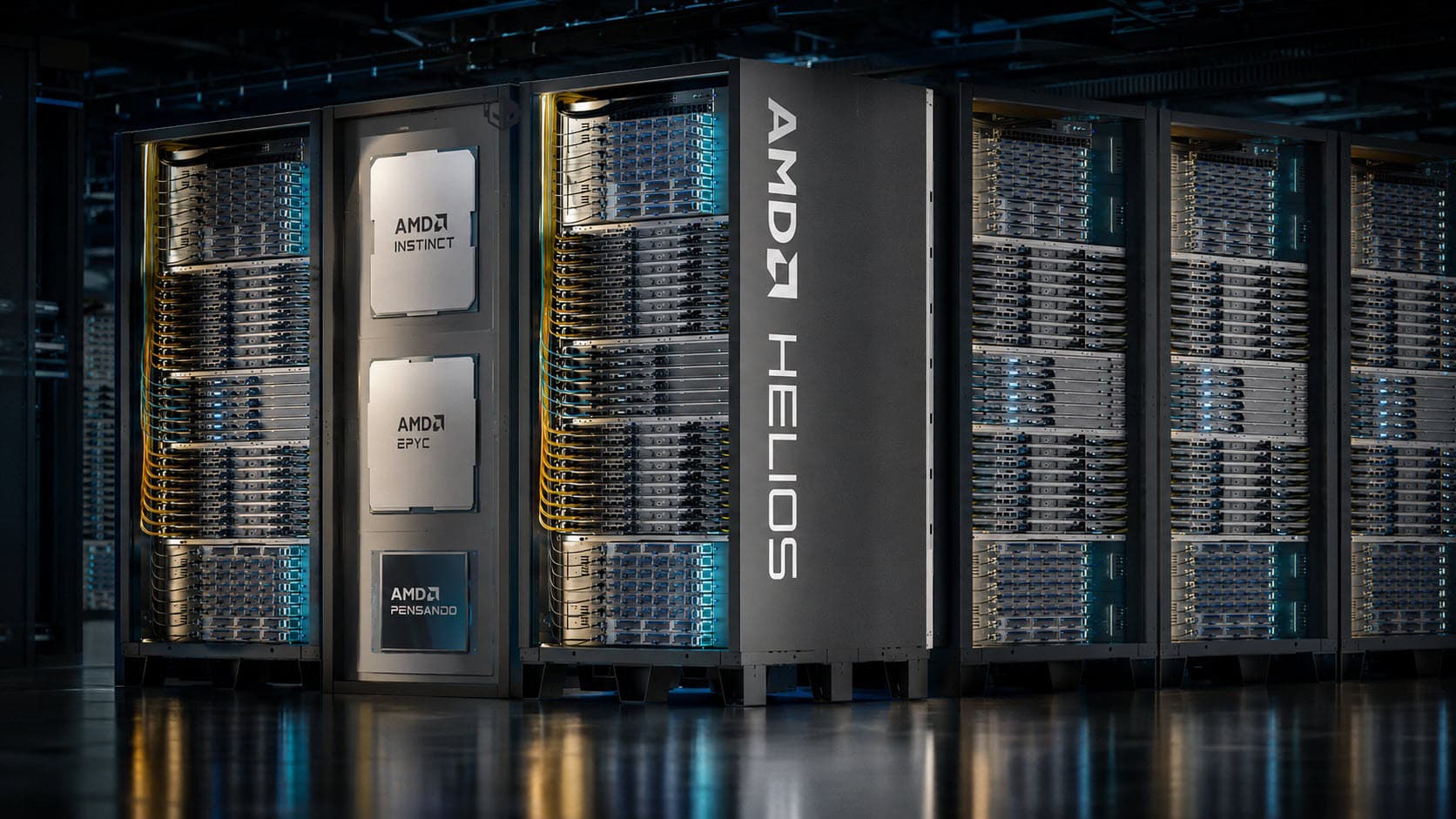
The stock market experienced a robust week, with the Nasdaq Composite, S&P 500, and Dow Jones Industrial Average all posting gains. This upward momentum was largely spurred by Nvidia’s fiscal second-quarter performance, which underscored the sustained strength of AI demand. Nvidia’s leadership reported four consecutive quarters of accelerating revenue growth, effectively silencing fears that the AI boom might be losing steam. Crucially, Amazon’s commitment to procure 2 million additional Nvidia GPUs in 2027 and 2028 serves as a strong endorsement of the current AI infrastructure investment cycle. Nvidia’s management emphasized that return on invested capital is now being realized in under a year, suggesting that customers are seeing tangible financial results from their hardware expenditures. This demand is increasingly diversifying beyond the largest hyperscalers, with non-hyperscaler entities and enterprises contributing significantly to current revenue growth.
Software Firms Defy Disruption Fears
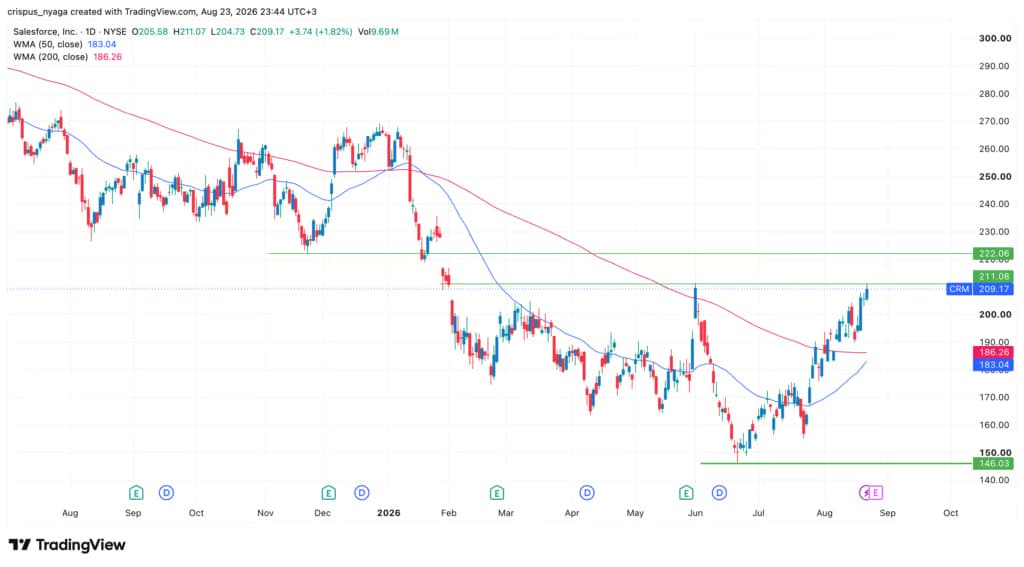
Contrary to investor anxieties regarding a potential 'SaaSpocalypse,' major software providers demonstrated that artificial intelligence acts as a business tailwind rather than a threat. Salesforce reported exceptional revenue growth, citing a 435% year-over-year increase in spending from top AI companies using its platform. The company also introduced 'Claudeforce,' integrating Anthropic's Claude to help sales teams leverage data more efficiently. Similarly, cybersecurity firm CrowdStrike reported a 26% revenue rise, noting that AI-driven cyber threats are forcing corporations to abandon legacy security systems in favor of advanced, AI-powered defenses. These results triggered a widespread rally in software stocks, highlighting that businesses best positioned to integrate or defend against AI are becoming primary beneficiaries of the technological transition. The contrast between early-year pessimism and current performance metrics marks a significant shift in market perception regarding software industry durability.
Meta Settles Major Legal Dispute
Meta achieved a significant milestone by finalizing an $18 billion settlement with attorneys general representing 48 states, the District of Columbia, and three U.S. territories. The case centered on claims that Meta’s platforms have negatively impacted the mental well-being of young users. By resolving this legal overhang, the company eliminates the uncertainty of a protracted trial and potentially larger financial repercussions. The settlement necessitates that Meta implement several safety-focused features, including enhanced parental controls, mandatory daily time limits for minors, and restrictions on notifications during school hours. While these requirements represent a shift in operations, observers suggest they are manageable for Meta, as the demographic impacted constitutes a small portion of its overall Facebook and Instagram user base. The development potentially places pressure on competing platforms like YouTube and TikTok, where younger audiences represent a more substantial share of total engagement time.
Broader Economic Headwinds
Despite the optimism surrounding the tech sector, broader economic concerns remain a point of focus for investors. Friday’s market activity was tempered by comments from Federal Reserve Chairman Kevin Warsh, who indicated that recent inflation data has not sufficiently alleviated concerns regarding price stability. His remarks at Jackson Hole kept the prospect of further interest rate hikes firmly on the agenda. Following the speech, market sentiment adjusted quickly, with the probability of a rate increase in September rising to 55%, compared to 35% just a day prior. This macro-economic uncertainty highlights a divergent path between the explosive growth seen in specific tech segments and the persistent caution surrounding U.S. monetary policy. While companies like Nvidia and Salesforce continue to deliver high-growth results, their future performance will likely unfold against a backdrop of potential interest rate volatility and shifting regulatory environments.
⚖ The Balanced View
Supporting view
Strong revenue growth and capital returns in the AI sector demonstrate that infrastructure spending is currently a profitable investment for major corporations.
Concerns & criticism
Ongoing inflationary pressures and the Federal Reserve's potential interest rate hikes continue to pose risks to market stability despite strong individual corporate performance.
→What's next
Investors will be closely monitoring the Federal Reserve's September meeting to determine if interest rates will be increased. Additionally, market participants are waiting to see if Meta initiates a secondary offering to fund its AI initiatives and the $18 billion settlement.