
A massive data breach involving 12 terabytes of internal Valve data, known as the 'Teraleak,' has surfaced online, exposing extensive historical PC gaming development assets and documentation. The leak spans over a decade, providing a rare and unprecedented look into the internal creative and technical archives of the Steam platform's creator.
An Unprecedented Data Exposure
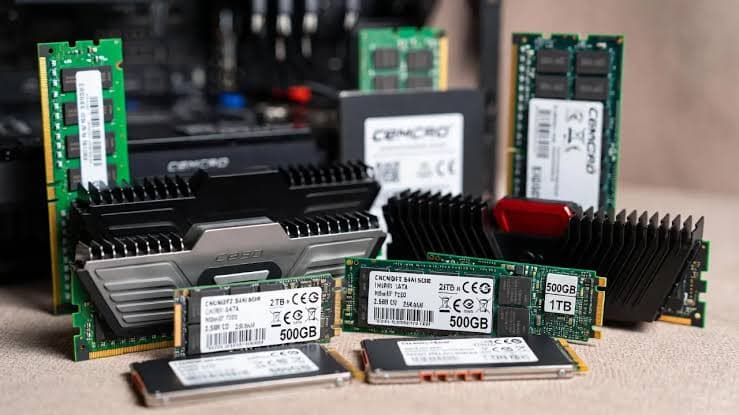
The gaming community is reeling from what is being called the 'Teraleak,' a colossal data breach totaling 12 terabytes of internal information originating from Valve. This leak represents one of the most comprehensive dumps of corporate intellectual property in the history of the gaming industry, covering more than ten years of activity behind the scenes at the studio. The sheer volume of the data suggests it was not a localized incident but rather a wide-reaching extraction of development archives, likely involving years of archived project files, internal communications, and proprietary source materials that were never intended for public distribution.
Uncovering Gaming History and Lost Projects
Among the most significant revelations contained within the 12-terabyte cache are early development assets and cut content from beloved franchises that have shaped PC gaming culture. Enthusiasts and historians have begun sifting through the files to find previously unseen materials from the production of Portal 2, as well as long-sought documentation and potential clues regarding the elusive development of Half-Life 2: Episode 3. For years, these projects have been subjects of intense fan speculation; this leak provides the first tangible look at the actual progress, discarded iterations, and technical hurdles the developers encountered during those development cycles.
Implications for the Gaming Industry
The incident raises significant questions regarding cybersecurity protocols and the safeguarding of historical development archives for major tech companies. When such a massive volume of data is exposed, the long-term impact on a company’s internal operations and its relationship with its intellectual property is profound. Beyond the loss of trade secrets, the exposure of these files effectively strips away the 'mystery' of the development process, revealing the messy, unfinished nature of game design that studios typically keep behind closed doors. This leak serves as a cautionary tale for the industry about the vulnerability of long-term digital storage and the potential for historical project databases to become public property if security boundaries are breached.
The Community Archive Effect
In the immediate aftermath of the leak, an influx of interest has shifted toward archiving and categorizing the massive sprawl of data. Fans are acting as ad-hoc digital archivists, cataloging every snippet of concept art, discarded source code, and design document found within the archive. While these files offer immense educational value to those interested in game development, the leak also highlights the friction between corporate secrecy and the gaming public's desire for transparency regarding the histories of their favorite titles. The sheer scale of the release means that researchers will likely be uncovering new details from the files for months or even years to come as they piece together the discarded visions of the past decade.
⚖ The Balanced View
Supporting view
The leak provides a massive, unprecedented treasure trove of development history that offers valuable insight into how iconic games were created and why certain projects were shelved.
Concerns & criticism
The breach represents a significant security failure that potentially compromises years of proprietary development work and intellectual property belonging to Valve.
→What's next
Industry analysts are expected to monitor Valve's response to the security breach as the company evaluates the extent of the compromised assets. Meanwhile, the gaming community will likely continue to dissect the 12-terabyte repository to document the various historical artifacts contained within.