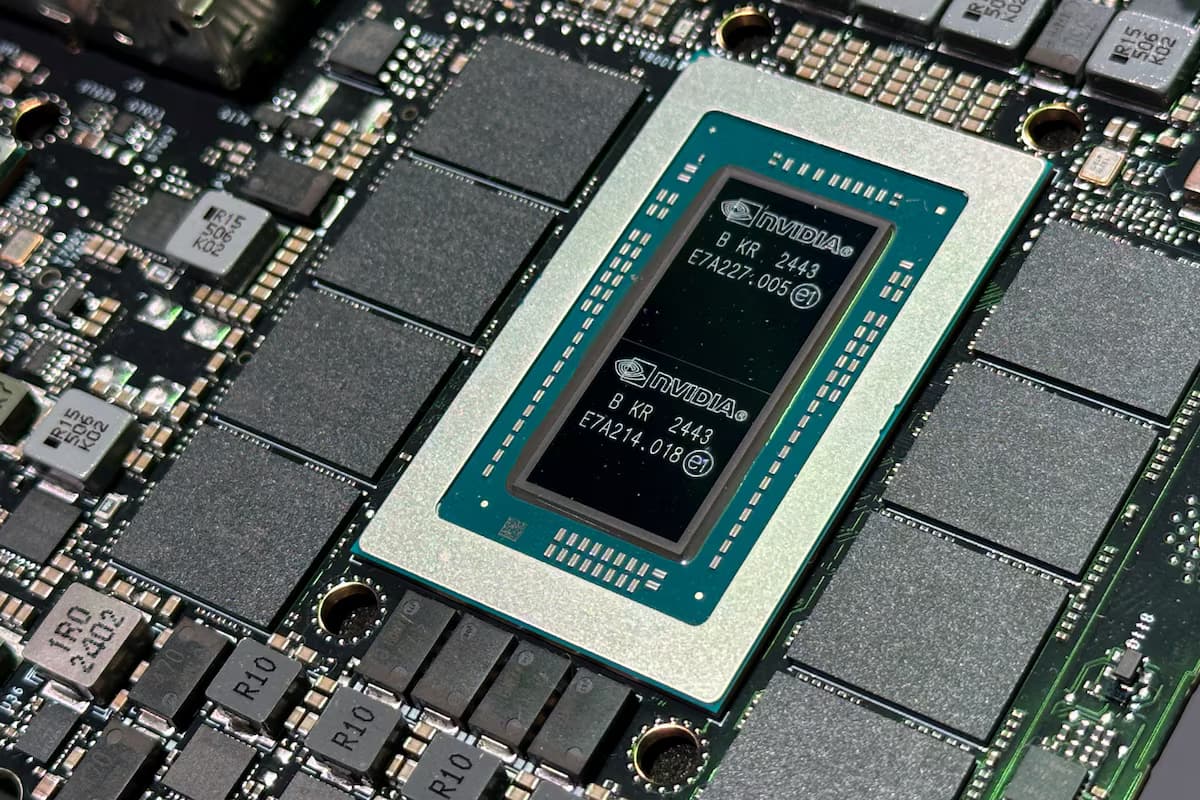

Nvidia is committing $3.5 billion to Taiwanese chipmaker MediaTek to facilitate the adoption of its NVLink Fusion technology in custom AI hardware. This partnership allows Nvidia to maintain its influence in data center architecture even as major technology firms move toward developing their own proprietary chips.
Strategic Capital Deployment
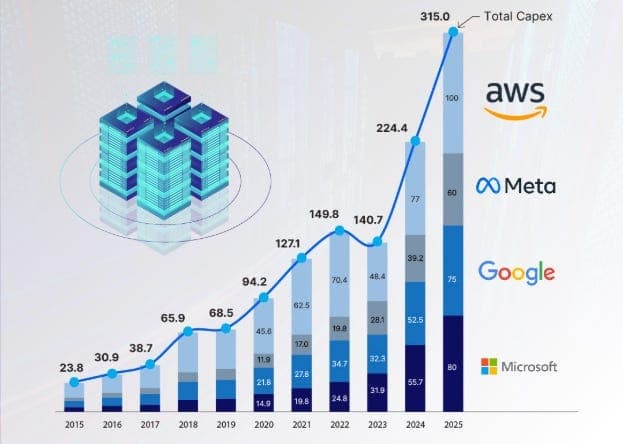
Nvidia’s $3.5 billion investment in MediaTek represents a tactical shift in how the GPU giant approaches the evolving landscape of custom silicon. As major AI hyperscalers like Google, Amazon, and Microsoft increasingly develop internal chips to reduce their dependence on off-the-shelf hardware, Nvidia is opting to embed itself directly into these proprietary designs. By funding MediaTek, Nvidia secures a strategic partner that can manufacture these custom ASICs while ensuring they remain compatible with the broader Nvidia data center environment. This move acts as a safeguard; rather than fighting the trend toward internal chip development, Nvidia is providing the 'scaffolding'—specifically its NVLink Fusion technology—to ensure that even non-Nvidia chips can operate within its high-speed communication ecosystem.
Technological Integration and NVLink Fusion
At the heart of the deal is the integration of Nvidia's NVLink Fusion ecosystem into MediaTek’s design process. NVLink is a critical communication fabric that allows disparate chips to exchange data at extremely high speeds, regardless of whether those chips were manufactured by Nvidia or a third party. By giving MediaTek access to this technology, Nvidia enables cloud providers and AI researchers to build custom hardware that functions seamlessly alongside Nvidia’s own GPUs in a rack-scale architecture. This approach allows AI factories to standardize their underlying infrastructure. According to Nvidia executives, this integration means that customers can build differentiated, custom silicon that effectively 'plugs in' to the same high-performance platform that manages Nvidia's own computing clusters, creating a unified standard for modern AI workloads.
Expanding Beyond Data Centers
While the headline involves high-stakes data center infrastructure, the partnership also extends into the consumer and automotive markets. MediaTek and Nvidia have been working together on various projects, including the DGX Spark, which is a desktop computer specifically designed for AI developers. Additionally, the partnership covers the 'physical AI' era, where software-defined vehicles require advanced computing. MediaTek plans to continue utilizing Nvidia’s RTX graphics technology to power vehicle cockpits, while leveraging the Nvidia Drive AGX platform for autonomous driving capabilities. This multidimensional collaboration suggests that Nvidia views its role as an infrastructure-first company, aiming to influence the AI stack across various computing platforms, from massive server farms down to individual cars and developer workstations.
Market Context and Industry Impact
The timing of this deal follows a broader industry trend of major tech companies pursuing vertical integration to regain control over their compute costs. MediaTek has already been steadily growing its custom data center ASIC business, aiming for $2 billion in revenue by 2026. This investment effectively accelerates that growth trajectory while tying MediaTek’s customer base closer to the Nvidia ecosystem. By supporting MediaTek, Nvidia manages to capture value even when companies choose to bypass traditional GPU procurement. This cooperative strategy serves as a contrast to other recent announcements, such as Amazon Web Services' massive deployment of Nvidia GPUs, demonstrating a dual-track strategy where Nvidia sells its own hardware while simultaneously creating infrastructure standards for competitors' custom hardware.
⚖ The Balanced View
Supporting view
Supporters argue that this strategy allows Nvidia to remain the foundational layer of AI computing by facilitating interconnect standards, even as the market shifts toward custom-built silicon.
Concerns & criticism
The deal reflects a potential tension as hyperscalers attempt to reduce their reliance on Nvidia’s proprietary hardware, forcing the chip giant to pivot its business model to secure its market position.
→What's next
The partnership is expected to influence future chip designs as MediaTek incorporates Nvidia's interconnect standards into its upcoming ASIC products for hyperscalers. Observers will be watching to see which specific cloud providers choose to utilize these Nvidia-compatible custom chips in their next-generation data centers.